


 Nintendo Shares Slide After Earnings Miss Raises Switch 2 Margin Concerns
  Baidu Approves $5 Billion Share Buyback and Plans First-Ever Dividend in 2026
  SpaceX Prioritizes Moon Mission Before Mars as Starship Development Accelerates
  OpenAI Expands Enterprise AI Strategy With Major Hiring Push Ahead of New Business Offering
  Washington Post Publisher Will Lewis Steps Down After Layoffs
  Jensen Huang Urges Taiwan Suppliers to Boost AI Chip Production Amid Surging Demand
  Toyota’s Surprise CEO Change Signals Strategic Shift Amid Global Auto Turmoil
  Nvidia CEO Jensen Huang Says AI Investment Boom Is Just Beginning as NVDA Shares Surge
  TrumpRx Website Launches to Offer Discounted Prescription Drugs for Cash-Paying Americans
  SoftBank and Intel Partner to Develop Next-Generation Memory Chips for AI Data Centers
  SpaceX Pivots Toward Moon City as Musk Reframes Long-Term Space Vision
  American Airlines CEO to Meet Pilots Union Amid Storm Response and Financial Concerns
  Taiwan Says Moving 40% of Semiconductor Production to the U.S. Is Impossible
  Amazon Stock Rebounds After Earnings as $200B Capex Plan Sparks AI Spending Debate
  Missouri Judge Dismisses Lawsuit Challenging Starbucks’ Diversity and Inclusion Policies
  Hims & Hers Halts Compounded Semaglutide Pill After FDA Warning
  Anta Sports Expands Global Footprint With Strategic Puma Stake


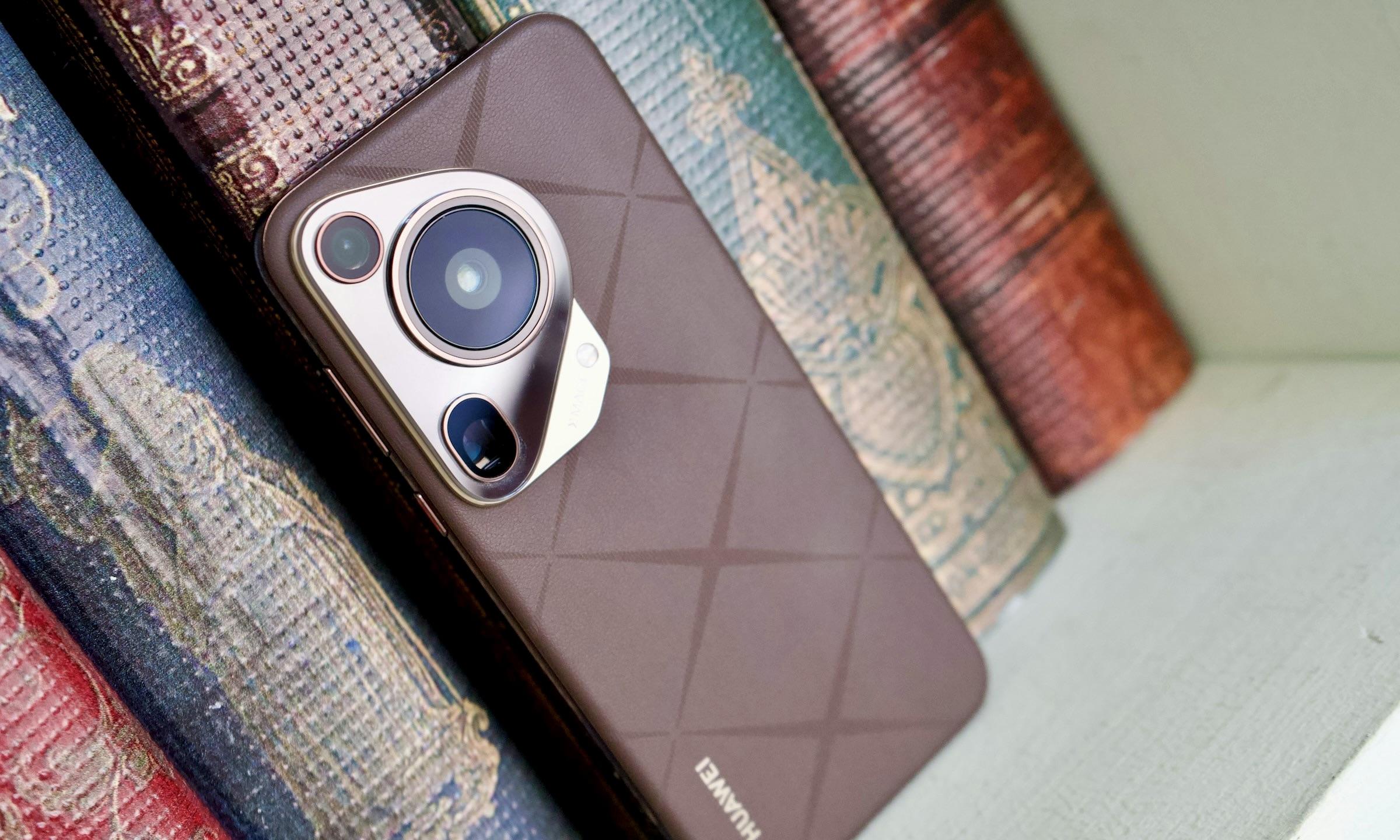
Huawei’s Mate 70 Series is set to utilize SMIC’s ‘N+3’ node, offering higher density than the Kirin 9010 while skipping the 5nm chipset.
Theories Around SMIC's 5nm Technique for Huawei’s Mate 70 Series
WCCFTECH reports that the Kirin 9000S, which let Huawei evade the US trade ban, was mass-produced using SMIC's 7nm (N+2) technology. The Kirin 9010, included in the Pura 70 series, continues the company's upward trajectory.
Various theories have circulated around the Mate 70 series, with some speculating that the erstwhile Chinese powerhouse would employ SMIC's 5nm technique, which the semiconductor maker supposedly perfected.
Huawei’s Next Kirin SoC to Use SMIC's ‘N+3’ Process
But there's a catch: according to one report, Huawei is planning to mass-produce the next Kirin system on a chip (SoC) for the Mate 70 series using SMIC's N+3 process, which boasts a higher density than the N+2 model.
Rumor has it that the Kirin 9100 will stay at 7 nm and that the Mate 70 series will not upgrade to SMIC's 5 nm process.
Even though it's terrible to hear, Huawei probably had good reasons to make this decision (if it hasn't already). There will be high production costs and low yields when using outdated DUV apparatus to mass produce 5nm wafers instead of EUV equipment.
Simply put, the 5nm wafers manufactured by SMIC will be extremely costly, and Huawei likely feels that these costs are too high to warrant utilizing this technology in their smartphone chipsets.
Kirin 9100's Potential With SMIC's ‘N+3’ Node
Despite this setback, the Kirin 9100 could still be manufactured using the 7nm process and boast a better density than the Kirin 9010 and the Kirin 9000S if it uses the N+3 node.
With more transistors, the Kirin 9100 will have better "performance per watt" and be more power efficient thanks to this upgrade.
Expanded Use of SMIC's ‘N+3’ Technology Beyond Mate 70 Series
The Mate 70 family's next chipset isn't the only ARM-based device that rumor has it that Huawei is testing with the same N+3 technology.
With the arrival of TSMC's first generation of 3nm 'N3E' chipsets later this year, including the Snapdragon 8 Gen 4, Dimensity 9400, and Apple's A18, Huawei may fail to close the performance gap quickly enough in terms of lithography.













