


 SpaceX Pivots Toward Moon City as Musk Reframes Long-Term Space Vision
  Amazon Stock Rebounds After Earnings as $200B Capex Plan Sparks AI Spending Debate
  Gold and Silver Prices Slide as Dollar Strength and Easing Tensions Weigh on Metals
  SpaceX Prioritizes Moon Mission Before Mars as Starship Development Accelerates
  OpenAI Expands Enterprise AI Strategy With Major Hiring Push Ahead of New Business Offering
  SoftBank Shares Slide After Arm Earnings Miss Fuels Tech Stock Sell-Off
  Asian Stocks Slip as Tech Rout Deepens, Japan Steadies Ahead of Election
  Hims & Hers Halts Compounded Semaglutide Pill After FDA Warning
  Indian Refiners Scale Back Russian Oil Imports as U.S.-India Trade Deal Advances
  Trump Backs Nexstar–Tegna Merger Amid Shifting U.S. Media Landscape
  Weight-Loss Drug Ads Take Over the Super Bowl as Pharma Embraces Direct-to-Consumer Marketing
  Samsung Electronics Shares Jump on HBM4 Mass Production Report
  Australian Household Spending Dips in December as RBA Tightens Policy
  Trump Signs Executive Order Threatening 25% Tariffs on Countries Trading With Iran
  CK Hutchison Launches Arbitration After Panama Court Revokes Canal Port Licences
  UK Starting Salaries See Strongest Growth in 18 Months as Hiring Sentiment Improves
  Lee Seung-heon Signals Caution on Rate Hikes, Supports Higher Property Taxes to Cool Korea’s Housing Market


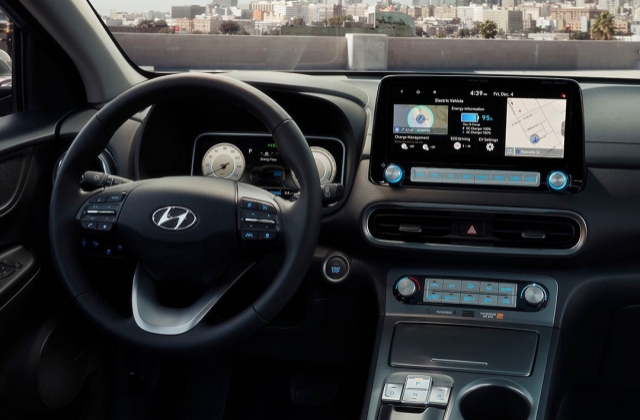
Hyundai Motors revealed this week that it was forced to suspend the operations of its plant in South Korea. The automaker has been mulling on halting its local production since last month, and it appears that the company could no longer ignore the chip shortage.
As per The Korea Herald, the temporary closing of Hyundai Motor’s production plant actually raised a warning not just for the company but for its subcontractors and workers too. This is because the suspension means there will be no work for a given period.
The affected Hyundai factory and vehicle units
Hyundai will temporarily stop the operation in Ulsan, it's no. 1 plant in the country. It was announced that due to chip shortage and lack of other parts, the factory would be closed from April 7 to April 14.
Although it is only a week, Hyundai is set to lose a lot because it will not be able to make vehicles, and this will delay the delivery of the orders. Based on the report, the automaker estimated that it is set to lose 6,500 units of Ioniq 5 and 6,000 units of Kona SUVs.
Moreover, Ioniq 5 was only launched in Europe via a virtual world premiere, and the company received 3,000 pre-orders for it. Locally, in S. Korea, on the first day of its launch in February, it already garnered a total of 24,000 pre-orders. With this number of orders that must be fulfilled, the shutdown of the factory in Ulsan clearly poses a big problem.
Possible additional factory closures
Business Korea further reported that the Ulsan plant might not be the only factory that is facing a temporary closure. The outlet mentioned that a series of halts in Hyundai is likely to follow. In fact, it is thinking of shutting its plant in Asan too. The Sonata and Grandeur cars are being manufactured here.
Aside from Hyundai, other major automakers in S. Korea are also affected by the parts and chip shortage that also led to the shut down of their production facilities. It was said that almost half of the vehicle companies in the country say they were forced to cut down their production because there is not enough chip and fear that the issue with supply will last throughout the year.
This is why some industry experts and observers are urging the government to support the chipmakers in the country so they will no longer depend on foreign suppliers.
“We should note that the US is moving towards building semiconductor production facilities on its own soil,” Korea Semiconductor Industry Association director, Ahn Ki Hyun, said. “Korea should make efforts to lower its import dependency by creating its own nonmemory semiconductor ecosystem here.”













