


 TSMC Q2 Revenue Surges 36% as AI Chip Demand Powers Growth Ahead of Earnings
  Paramount-Warner Bros. Discovery Merger Faces Lawsuit From 12 States
  Asian Stocks Slide as Oil Surge, U.S.-Iran Tensions and Fed Rate Bets Weigh on Markets
  ICC Says Darfur War Crimes Probe Reaches Breakthrough in Sudan Investigation
  South Korea Central Bank Set to Raise Interest Rates as Inflation Stays Elevated
  Hantavirus Cruise Ship Outbreak Triggers Global Health Alert
  EU Weighs New Trade Restrictions on Israeli West Bank Settlements
  RFK Jr. Orders Extended Hantavirus Quarantine for Cruise Passenger
  Morgan Stanley Says China’s Reusable Rocket Progress Poses Long-Term Challenge to SpaceX
  AstraZeneca Shares Sink After Wainua Trial Misses Key Heart Disease Goal
  Gordie Howe Bridge to Open July 27 After U.S.-Canada Reach Toll Revenue Agreement
  Elon Musk Says Anthropic Leads AI Race as Claude Models Challenge OpenAI
  US Stock Futures Slide as Iran Conflict Escalates Ahead of Key Q2 Earnings Week
  CDC Confirms U.S. Ebola Case Linked to Congo Outbreak as Travel Restrictions Tighten
  US Supreme Court Strikes Down Hawaii Gun Carry Law on Private Property
  Mastercard Explores Sale of Majority Stake in UK Payments Firm Vocalink: Report
  Oil Prices Jump as U.S.-Iran Conflict and Strait of Hormuz Tensions Shake Global Markets


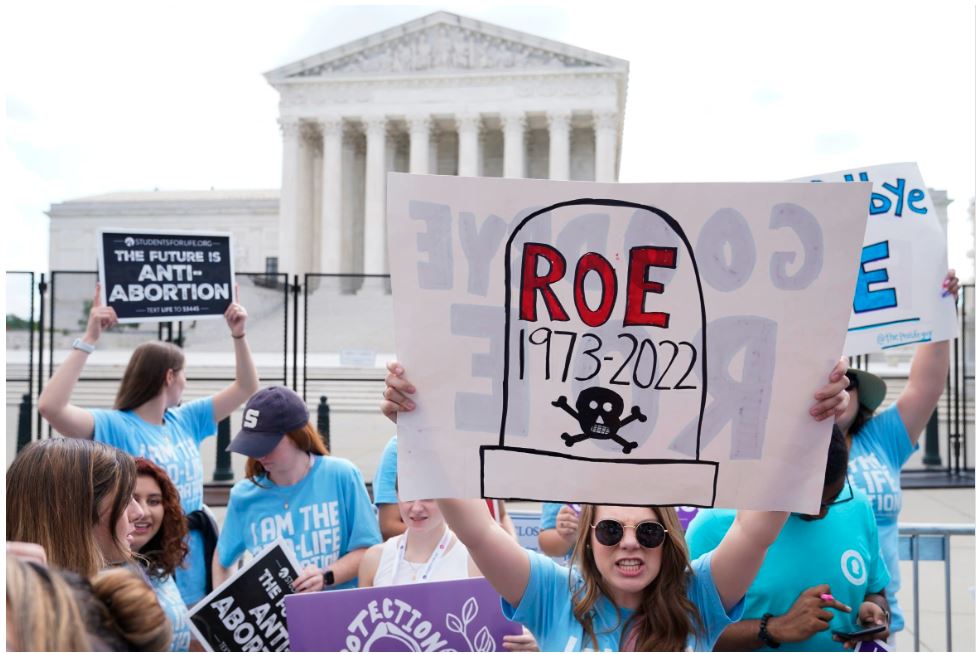
US companies that will cover travel costs for employees getting abortions could be exposed to criminal liability, according to legal experts.
Last Friday, the US Supreme Court overturned the 1973 Roe v. Wade ruling that legalized abortion and upheld a Mississippi law that bans abortion after 15 weeks.
Amazon.com Inc, Apple Inc, Lyft Inc, Microsoft Corp, and JPMorgan Chase & Co were among companies that announced plans to provide those benefits through their health insurance plans.
Conde Nast, Walt Disney Co, Cigna Corp, Paypal Holdings Inc, Alaska Airlines Inc, and Dick's Sporting Goods Inc announced reimbursement policies.
If businesses adopt policies that support employees getting abortions, they will have to navigate the patchwork of state laws and risk angering anti-abortion organizations and Republican-led states.
Texas state legislators have already threatened legal action against Lyft and Citigroup Inc, both of which had previously announced travel reimbursement policies.
The lawmakers also presented a number of abortion-related bills, one of which would prevent businesses from operating in Texas if they pay for women living there to have abortions elsewhere.
Companies will probably soon be sued by states or anti-abortion activists who claim that payments related to abortions violate state laws prohibiting the facilitation or aiding and abetting of abortions, says University of Illinois law professor and expert on healthcare law, Robin Fretwell Wilson.
States are not allowed to enact regulations prohibiting to employer-sponsored health plans under the Employee Retirement Income Security Act of 1974 (ERISA). That language has been interpreted by courts for decades to preclude state regulations that specify what health plans must and must not cover.
Any company sued over an abortion travel reimbursement requirement will likely cite ERISA as a defense, according to Katy Johnson, senior counsel for health policy at the American Benefits Council, a trade group.
However, fully-insured health plans, in which employers purchase coverage through a commercial insurer, are regulated by state law and not ERISA.
Furthermore, ERISA does not preclude states from enforcing criminal laws, such as the laws in a number of states that make it illegal to aid and abet abortions.







