


 Western Allies Push for More Air Defenses for Ukraine at Paris Summit
  Ukraine, Europe Launch Freyja Missile Shield to Strengthen Air Defense Against Russia
  Israel Sets October 27 Election as Netanyahu Faces Tough Political Test
  Trump, Canada Reach Gordie Howe Bridge Deal Ahead of July 27 Opening
  Venezuela Appoints Felix Plasencia to Lead Foreign Relations and Trade
  Iran's Supreme Leader Vows Revenge as Trump Threatens Massive U.S. Military Response
  Republican Senator Lindsey Graham Dies at 71, Leaving South Carolina Senate Seat Vacant
  Trump Tells Congress Iran Hostilities Restarted, Citing New 60-Day War Powers Window
  US-Iran Strikes Escalate as Strait of Hormuz Crisis Pushes Oil Prices Higher
  Russia Launches Missile and Drone Attacks on Kyiv, Zaporizhzhia, and Kharkiv
  Reuters/Ipsos Poll: Most Americans Expect U.S.-Iran War to Be Prolonged
  EU Weighs New Trade Restrictions on Israeli West Bank Settlements
  Iraq PM Visits Washington as U.S. Oil, Gas Deals Take Center Stage
  Israeli Strikes Kill Six in Gaza as Ceasefire Talks Continue in Cairo
  Trump Recommends Darline Graham for Interim South Carolina Senate Seat
  UK Sanctions 24 Russian-Linked Targets Over Cyberattacks and Election Interference


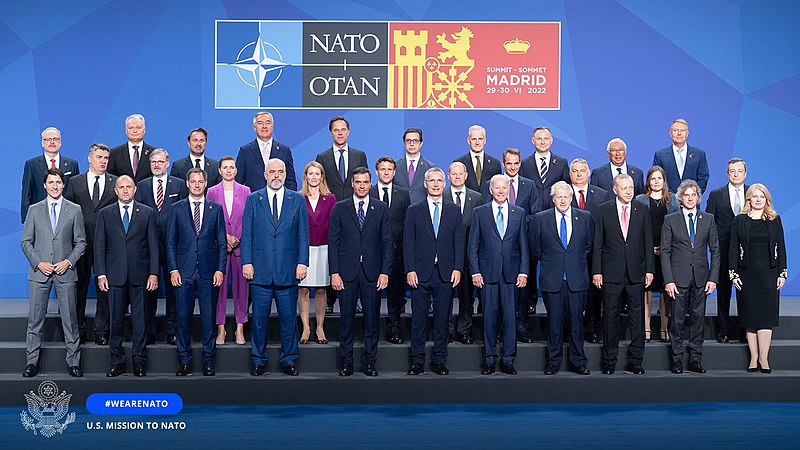
In a major shift in security in Europe this week, the NATO alliance has officially extended an invitation for Finland and Sweden to join the military grouping. The invitation came as both countries broke their neutrality to apply for membership following Russia’s invasion of Ukraine.
The NATO alliance Wednesday invited Finland and Sweden to join the grouping, the 30 countries finalizing their decision during the summit in Madrid, while also formally agreeing that Russia poses a direct threat to the security of allies, according to a statement from the summit.
“Today, we have decided to invite Finland and Sweden to become members of NATO,” said the NATO leaders in a declaration, following Turkey’s lifting of its veto over the bids of both countries.
“We will make sure to protect all allies, including Finland and Sweden,” said NATO Secretary-General Jens Stoltenberg
The ratification in the parliaments of allies will likely take up to a year. Once ratification is settled, Finland and Sweden will be officially covered by the Title 5 collective defense clause of the alliance, putting the two countries under the protective grouping of the United States.
NATO allies are also set to increase their military presence in the Nordic region by holding more military exercises and naval patrols in the Baltic sea to reassure Sweden and Finland.
“We are sending a strong message to Putin; ‘You will not win’,” said Spanish Prime Minister Pedro Sanchez in his remarks.
NATO allies have also agreed on a new strategic concept, which is its master planning document. Russia, which was previously designated as a partner of the alliance, is now the main threat. The planning document also cited China as a growing challenge.
The summit this week also had the leaders of South Korea and Japan in attendance as observers.
South Korean President Yoon Suk-yeol warned of the threat to universal values amidst a time of conflict and competition, referring to the war in Ukraine and China’s engagement with Moscow, according to a South Korean official.
“As a new structure of competitions and conflicts is taking shape, there is also a movement that denies the universal values that we have been protecting,” said Yoon in his remarks at the summit. Yoon added that the international community is facing security threats that one country cannot solve on its own.







