


 US Suspends Microsoft, Adobe From Green Card Program
  US Grants Aurora Five-Year Exemption for Self-Driving Trucks
  Moscow Exchange to Launch Crypto Trading on December 1
  CFTC Moves to Set New Crypto Rules After CLARITY Act Failure
  Hegseth Praises USS Abraham Lincoln Crew After Record Iran War Deployment
  US Pressures Allies to Distance From Anti-Disinformation Conference
  Trump Plans Diesel Tax Relief as Fuel Prices Hit Record Highs
  TSMC Q3 Revenue Beats Estimates as AI Chip Demand Surges
  US Charges Maduro and Wife With Torture Conspiracy
  ICC Rules Duterte Fit to Stand Trial in Drug War Case
  Polkadot Launches dotUSD Stablecoin as DOT Price Falls
  Trump Says He Deserves 2026 Nobel Peace Prize Despite Uncertain Chances
  US, EU Push for Action Against Asia’s Excess Factory Capacity
  US, Greece Launch New Counterterrorism Security Program
  EU Gives Crypto Platforms Three Months to Remove USDT Under MiCA Rules
  Starbucks Explores Chipotle Acquisition as Shares Swing
  San Francisco Halts New Data Center Construction With 45-Day Moratorium


 Add as a preferred source on Google
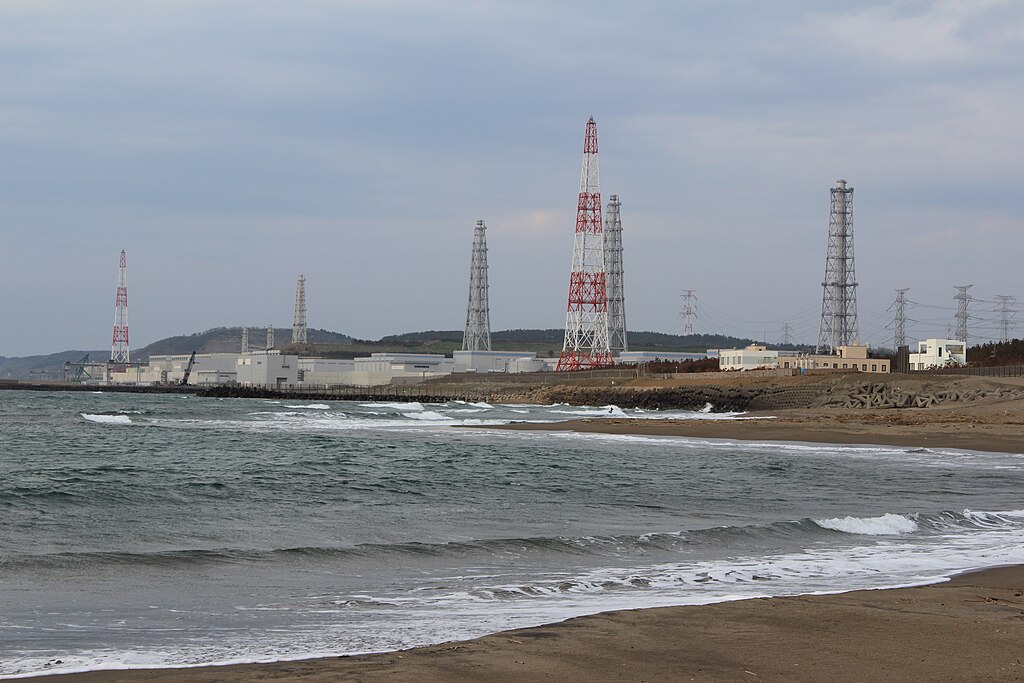
Japan is approaching a pivotal moment in its post-Fukushima energy policy as the Niigata regional assembly is expected to endorse the restart of the Kashiwazaki-Kariwa nuclear power plant, the largest nuclear facility in the world. The decision, anticipated on Monday, would mark a significant step in Japan’s renewed push toward nuclear energy more than a decade after the 2011 Fukushima Daiichi disaster.
Located about 220 kilometers northwest of Tokyo, Kashiwazaki-Kariwa was among 54 reactors shut down nationwide following the earthquake and tsunami that triggered the Fukushima crisis. Since then, Japan has restarted 14 of the 33 reactors still considered operable, aiming to reduce its heavy dependence on imported fossil fuels. If approved, Kashiwazaki-Kariwa would become the first nuclear plant restarted under Tokyo Electric Power Co (TEPCO), the same utility that operated Fukushima Daiichi.
TEPCO has emphasized strengthened safety measures, with spokesperson Masakatsu Takata stating the company is committed to preventing any repeat of past nuclear accidents. Public broadcaster NHK has reported that TEPCO is considering reactivating the first of the plant’s seven reactors as early as January 20, a move that could increase electricity supply to the Tokyo region by an estimated 2%.
Despite these assurances, public opposition remains strong. A prefectural survey released in October showed that 60% of Niigata residents believe conditions for a restart have not been met, while nearly 70% expressed concerns about TEPCO’s ability to operate the plant safely. To gain local support, TEPCO has pledged 100 billion yen over the next decade to Niigata, but skepticism persists, particularly among residents affected by the Fukushima disaster.
Prime Minister Sanae Takaichi has backed nuclear restarts as a way to strengthen energy security, curb rising import costs, and support Japan’s decarbonization goals. With fossil fuels still accounting for up to 70% of electricity generation and energy demand expected to rise due to AI data centers, Japan aims to double nuclear power’s share of its energy mix to 20% by 2040.
While energy experts see Kashiwazaki-Kariwa’s restart as a critical milestone, many locals fear it revives painful memories and risks, underscoring the ongoing tension between energy policy and public trust in nuclear power.







