


 EU Ministers Split as Support Grows for Ban on Trade With Israeli West Bank Settlements
  Trump Recommends Darline Graham for Interim South Carolina Senate Seat
  Trump, Canada Reach Gordie Howe Bridge Deal Ahead of July 27 Opening
  Reuters/Ipsos Poll: Most Americans Expect U.S.-Iran War to Be Prolonged
  Russia Launches Missile and Drone Attacks on Kyiv, Zaporizhzhia, and Kharkiv
  Iran Says It Closes Strait of Hormuz After Warning Shot at Vessel
  Western Allies Push for More Air Defenses for Ukraine at Paris Summit
  Trump Tells Congress Iran Hostilities Restarted, Citing New 60-Day War Powers Window
  Trump Administration Bars U.S. Travelers From Congo Flights Amid Ebola Outbreak
  Israel Sets October 27 Election as Netanyahu Faces Tough Political Test
  EU Weighs New Trade Restrictions on Israeli West Bank Settlements
  UK Sanctions 24 Russian-Linked Targets Over Cyberattacks and Election Interference
  EU to Propose New Rules Limiting Children's Access to Social Media
  Venezuela Appoints Felix Plasencia to Lead Foreign Relations and Trade
  Trump to Deliver National Address on Declassified 2020 Election Intelligence
  UN Says Hamas Disrupted Gaza Aid Distribution, Group Denies Allegations
  Zelenskiy Plans Ukraine Government Shake-Up as Prime Minister Svyrydenko Set to Step Down


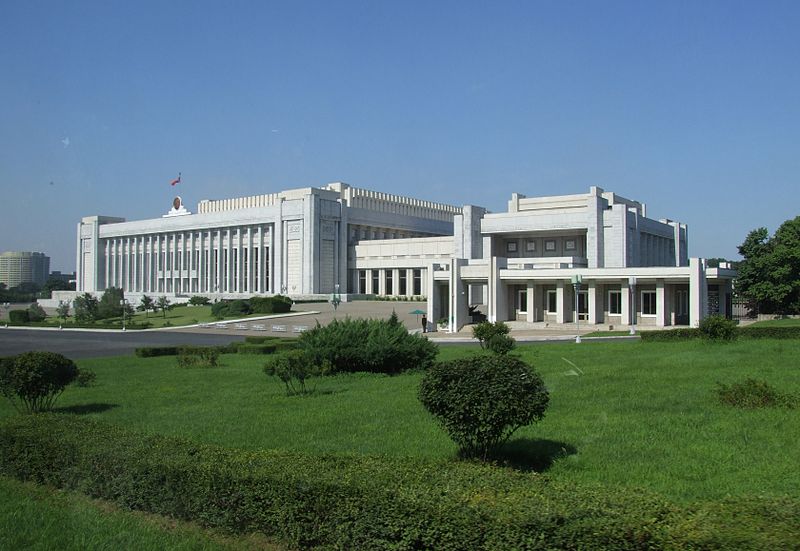
The North Korean rubber stamp parliament held a session this week to pass legislation aimed at turning the isolated nation into a “socialist fairyland.” Lawmakers in session adopted legislation for the country’s rural development and landscaping.
North Korean state media KCNA reported Thursday that the North Korean Supreme People’s Assembly convened for its first session Wednesday, passing laws aimed at landscaping and rural development.
The two laws will advance the ruling Workers Party’s efforts to bring significant change to the rural community and the law on landscaping would “achieve a rapid development of the Korean-style socialist rural community and spruce up the country into a beautiful and civilized socialist fairyland,” according to a deputy.
North Korean leader Kim Jong-un was not present during the session but has previously vowed to improve the North Korean people’s livelihoods and bolster rural development in the face of an economic crisis caused by the COVID-19 pandemic, natural disasters, and international sanctions due to the nation’s nuclear program.
Analysts say that Kim has yet to deliver on many of his economic promises as aid organizations warned of food shortages and other hardships. In a report by 38 North, Kim’s pledge to rebuild a province devastated by the typhoon to transform it into a model mining community has seen little progress.
The United States has also accused North Korea of using its resources for military projects instead of helping its people. Washington has also alleged that Pyongyang was selling arms and ammunition to Russia to help Moscow in its war with Ukraine.
Aside from laws to further develop and beautify the nation, the North Korean parliament also passed legislation that would grant the nation the right to use pre-emptive nuclear strikes to defend itself. Kim said the move would make its nuclear weapons status “irreversible” and would prevent any denuclearization talks, according to KCNA Friday.
The new law also comes as the US, South Korea, and Japan have expressed concerns that Pyongyang was gearing up for its first nuclear test since 2017. The legislation replaced a 2013 law that outlined the country’s nuclear status.
“The utmost significance of legislating nuclear weapons policy is to draw an irretrievable line so that there can be no bargaining over our nuclear weapons,” said Kim in remarks to the assembly, adding that he has no plans to surrender the weapons even if the country faces 100 years of sanctions.







