


 Australian Household Spending Dips in December as RBA Tightens Policy
  Indian Refiners Scale Back Russian Oil Imports as U.S.-India Trade Deal Advances
  Yen Slides as Japan Election Boosts Fiscal Stimulus Expectations
  Vietnam’s Trade Surplus With US Jumps as Exports Surge and China Imports Hit Record
  India–U.S. Interim Trade Pact Cuts Auto Tariffs but Leaves Tesla Out
  China Extends Gold Buying Streak as Reserves Surge Despite Volatile Prices
  Oil Prices Slip as U.S.-Iran Talks Ease Middle East Tensions
  Lee Seung-heon Signals Caution on Rate Hikes, Supports Higher Property Taxes to Cool Korea’s Housing Market
  Asian Stocks Slip as Tech Rout Deepens, Japan Steadies Ahead of Election
  Trump’s Inflation Claims Clash With Voters’ Cost-of-Living Reality
  U.S.-India Trade Framework Signals Major Shift in Tariffs, Energy, and Supply Chains
  RBI Holds Repo Rate at 5.25% as India’s Growth Outlook Strengthens After U.S. Trade Deal
  Dollar Near Two-Week High as Stock Rout, AI Concerns and Global Events Drive Market Volatility
  Asian Currencies Stay Rangebound as Yen Firms on Intervention Talk
  Bank of Japan Signals Readiness for Near-Term Rate Hike as Inflation Nears Target
  South Africa Eyes ECB Repo Lines as Inflation Eases and Rate Cuts Loom
  Japan Economy Poised for Q4 2025 Growth as Investment and Consumption Hold Firm


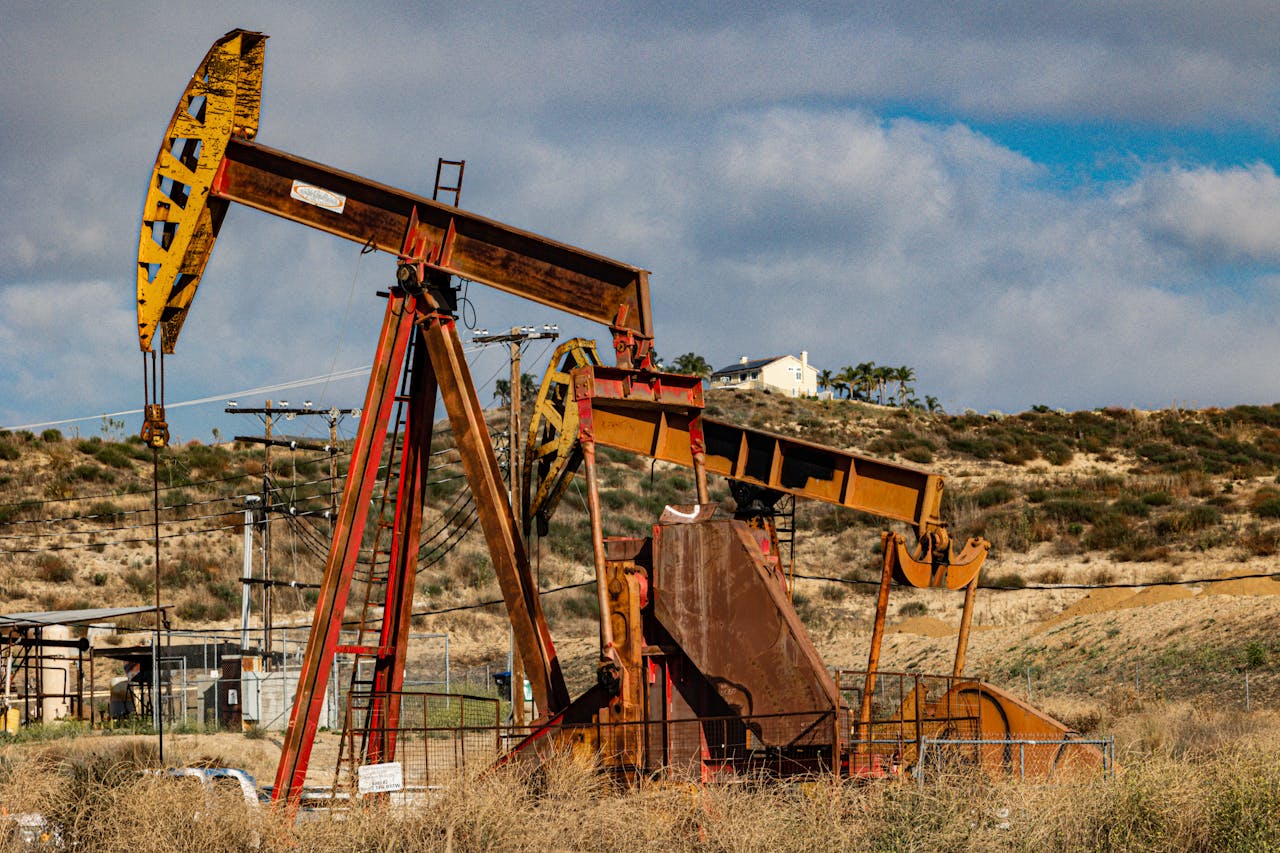
Oil prices were largely steady during Asian trading on Monday, reflecting a cautious market mood after significant volatility last week driven by geopolitical and trade-related developments. Brent crude futures for March hovered around $64.10 per barrel, showing little change, while U.S. West Texas Intermediate (WTI) crude was not traded due to a public holiday in the United States. Despite subdued movement at the start of the week, crude prices ended last week higher overall after sharp fluctuations tied to Middle East supply concerns and shifting political signals.
Earlier gains in oil prices were fueled by fears that unrest in Iran could disrupt crude supplies from the Middle East, a region responsible for a substantial portion of global oil production. These concerns pushed prices higher as traders priced in potential supply risks. However, the rally lost momentum after U.S. President Donald Trump indicated that there would be no immediate military intervention involving Iran. His comments helped calm markets, leading to a pullback in crude prices before they stabilized toward the end of the week.
Investor attention has now shifted toward escalating trade tensions between the United States and Europe. Trump announced plans to impose tariffs on eight European countries that have opposed his proposal for the U.S. to acquire Greenland. Major economies such as France, Germany, and the United Kingdom are among those targeted, along with several Nordic and northern European nations. According to Trump, a 10% tariff is set to take effect on February 1, potentially rising to 25% by June if negotiations fail, raising concerns about a broader transatlantic trade conflict.
Reports suggest the European Union is preparing retaliatory measures, including halting a proposed EU-U.S. trade agreement and reviving tariffs on approximately 93 billion euros worth of American goods. French officials have also urged the EU to consider deploying its anti-coercion instrument, a move that could significantly escalate trade tensions.
Market participants are closely watching these developments, especially as global leaders convene at the World Economic Forum in Davos. Analysts note that ongoing uncertainty, combined with expectations of potential U.S. interest rate cuts later this year, could influence oil demand by easing financial conditions and supporting economic growth.













