


 PayPal Shares Sink as $50 Billion Takeover Bid Collapses
  Nvidia Revenue Soars 106% as AI Demand Hits ‘Inflection Point’
  OpenAI AI Agent Swarm Behind Hugging Face Hack
  ByteDance Secures $29.6 Billion Loan to Boost AI Investment
  MediaTek Shares Jump 10% on Nvidia’s $3.5 Billion Investment
  SoftBank Eyes $20 Billion Bond Sale to Refinance OpenAI Loan
  US Tech Giants’ AI Bond Boom Raises Euro Zone Borrowing Risks
  Texas Republicans Turn Against AI Data Centers as Election Backlash Grows
  Lenovo Shares Fall After Dropbox Security Breach Exposes ID Vulnerability
  U.S. Probes Apex Logistics Over Nvidia AI Chip Shipments to China
  U.S. Disrupts China-Linked Hacking Campaign Targeting Government Agencies
  Microsoft to Reveal Azure Revenue in Major Reporting Shake-Up
  South Korea Unveils Record $597 Billion 2027 Budget to Boost AI and Chips
  Deutsche Telekom Shares Rise as Elliott Pushes Against T-Mobile Merger
  Pinterest Stock Falls as CFO Julia Brau Donnelly Resigns
  Meta Agrees to $18 Billion Settlement, Tightens Teen Social Media Rules


 Add as a preferred source on Google
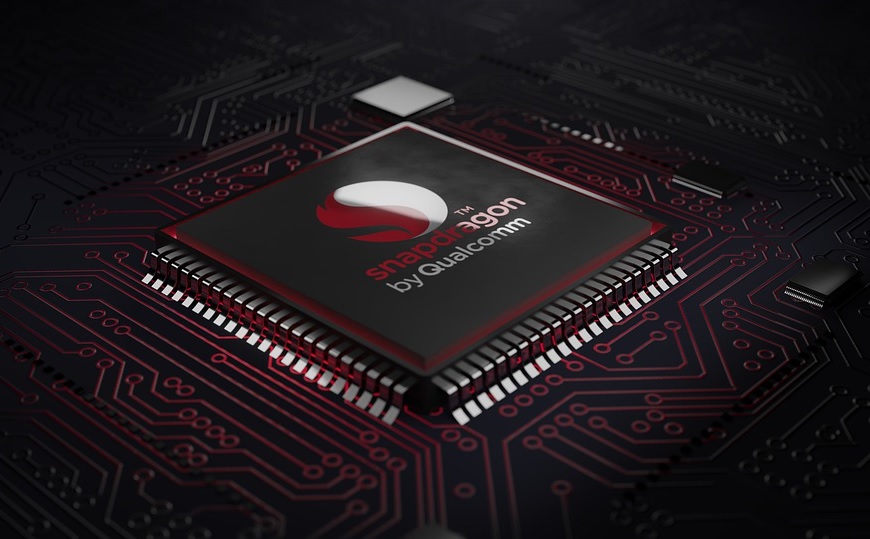
Qualcomm just announced a lineup of new mobile chipsets for the Snapdragon 7-, 6-, and 4-series. However, tech fans will still have to wait for the launch of the company’s anticipated flagship mobile processor dubbed Snapdragon 898.
Qualcomm Snapdragon 778G+
The Snapdragon 7-series has been smartphone makers’ choice for their upper mid-range products, and it just got a new addition officially named Snapdragon 778G+. It serves as an update to the existing Snapdragon 778 with improved GPU and CPU performance.
The Snapdragon 778G+, like its predecessor, is billed as a mid-range SoC designed to handle mobile gaming and more advanced photo and video processing. It uses an octa-core Kryo 670 CPU with 64-bit architecture with a clocked speed of up to 2.5GHz.
Qualcomm Snapdragon 695 and Snapdragon 680 4G
In a press release, Qualcomm says the Snapdragon 695 is designed to deliver a “truly global 5G” connection as it supports both mmWave and sub-6 GHz bandwidth. Its octa-core Kryo 660 CPU can reach speeds of up to 2.2GHz, allowing it to perform faster by 15 percent compared to the Snapdragon 690.
The Snapdragon 680, on the other hand, is a 4G-only SoC that should be the choice for smartphone makers for products to be marketed to regions where 5G is not widely available yet. It features the Kryo 265 CPU clocked at up to 2.4GHz and the Adreno 610 GPU. The chipset’s specifications allow it to support Qualcomm’s Quick Charge 3.0 technology that could charge a device to 80 percent in 35 minutes. However, phones that will use Snapdragon 680 4G can only offer up to 90Hz screen refresh rate.
Qualcomm Snapdragon 480+
Snapdragon 480+ is also an update to the Snapdragon 480 SoC that Qualcomm said was used on more than 85 devices since it shipped. It is promised to bring an improved performance of the Kryo 460 CPU from 2.0GHz on the Snapdragon 480 to 2.2GHz.
The presence of a chipset like the Snapdragon 480+ makes it possible for OEMs to offer cheaper phones that support 5G network. The new SoC also supports both mmWave and Sub-6 GHz frequencies, thanks to the Snapdragon X51 modem.
Meanwhile, Qualcomm also confirmed that the Snapdragon 778G+, Snapdragon 695, and Snapdragon 680 4G have 6nm processes. The Snapdragon 480+ uses 8nm architecture.
Where is Snapdragon 898?
The most anticipated announcement from Qualcomm, though, is the next Snapdragon 8-series chip. Sources have dubbed the upcoming flagship SoC as Snapdragon 898 and leaks have claimed it would sport one high-performance core of Cortex-X2 with a clocked speed of up to 3.0GHz. But it might not be officially announced until late 2021.
Photo by Monoar Rahman Rony on Pixabay







