


 New York Legalizes Medical Aid in Dying for Terminally Ill Patients
  Anutin’s Bhumjaithai Party Wins Thai Election, Signals Shift Toward Political Stability
  India–U.S. Interim Trade Pact Cuts Auto Tariffs but Leaves Tesla Out
  Trump Allows Commercial Fishing in Protected New England Waters
  Bangladesh Election 2026: A Turning Point After Years of Political Suppression
  Jack Lang Resigns as Head of Arab World Institute Amid Epstein Controversy
  Trump Slams Super Bowl Halftime Show Featuring Bad Bunny
  Japan’s Prime Minister Sanae Takaichi Secures Historic Election Win, Shaking Markets and Regional Politics
  Ohio Man Indicted for Alleged Threat Against Vice President JD Vance, Faces Additional Federal Charges
  Nicaragua Ends Visa-Free Entry for Cubans, Disrupting Key Migration Route to the U.S.
  Ghislaine Maxwell to Invoke Fifth Amendment at House Oversight Committee Deposition
  Trump Lifts 25% Tariff on Indian Goods in Strategic U.S.–India Trade and Energy Deal
  China Warns US Arms Sales to Taiwan Could Disrupt Trump’s Planned Visit
  Trump Signs Executive Order Threatening 25% Tariffs on Countries Trading With Iran
  Israel Approves West Bank Measures Expanding Settler Land Access
  Trump Congratulates Japan’s First Female Prime Minister Sanae Takaichi After Historic Election Victory


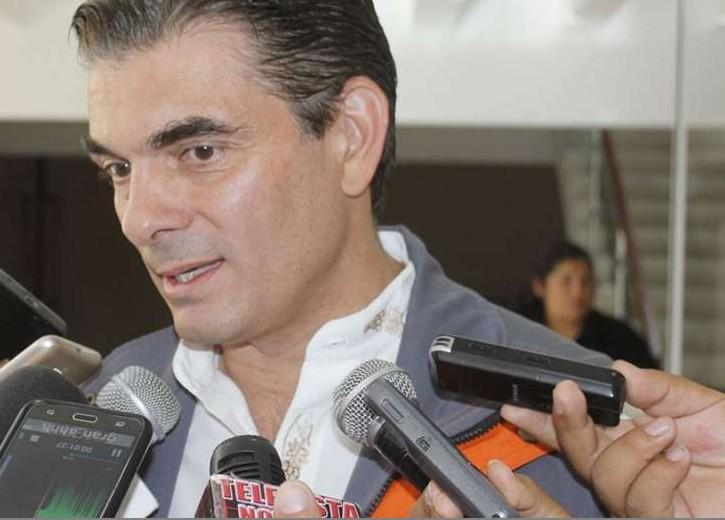
Centrist senator Rodrigo Paz has been elected as Bolivia’s new president, marking a significant political shift after almost 20 years of leftist governance. Paz, representing the Christian Democratic Party (PDC), won 54.5% of the vote in Sunday’s presidential runoff, defeating conservative rival Jorge “Tuto” Quiroga, who garnered 45.5%, according to preliminary results from the electoral tribunal.
Paz will officially assume office on November 8, inheriting a country grappling with its worst economic crisis in decades. In his victory speech from La Paz, he vowed to “open Bolivia to the world” and pursue international cooperation, signaling a new era in Bolivian politics. His moderate stance—committed to preserving social programs while promoting private sector-led economic growth—appealed to disillusioned leftist voters seeking change without austerity.
Paz’s victory ends the dominance of the Movement to Socialism (MAS), founded by former President Evo Morales, which had ruled since 2006. Economic decline, high inflation, and dwindling gas exports weakened the MAS stronghold and shifted voter sentiment toward reform. Paz’s PDC secured 49 of 130 seats in the lower house and 16 of 36 in the Senate, forcing him to build alliances to govern effectively.
The new administration faces urgent challenges, including fuel shortages, inflation, and rebuilding foreign relations. Paz has already discussed a $1.5 billion economic cooperation deal with U.S. officials, aiming to stabilize fuel supplies and attract investment. His plan to phase out universal fuel subsidies—while maintaining targeted support for vulnerable sectors—signals a move toward fiscal responsibility.
With strong support from his populist running mate Edman Lara, Paz now faces the complex task of reviving Bolivia’s economy and uniting a divided nation. His leadership marks a historic turning point, setting Bolivia on a path toward economic reform, political renewal, and global reintegration.













