


 Burkina Faso and Mali’s fabulous flora: new plant life record released
  How is Antarctica melting, exactly? Crucial details are beginning to come into focus
  Lee Seung-heon Signals Caution on Rate Hikes, Supports Higher Property Taxes to Cool Korea’s Housing Market
  The UK is surprisingly short of water – but more reservoirs aren’t the answer
  Trump Signs Executive Order Threatening 25% Tariffs on Countries Trading With Iran
  Japanese Pharmaceutical Stocks Slide as TrumpRx.gov Launch Sparks Market Concerns
  GesiaPlatform Launches Carbon-Neutral Lifestyle App ‘Net Zero Heroes’
  UK Starting Salaries See Strongest Growth in 18 Months as Hiring Sentiment Improves
  Drug pollution in water is making salmon take more risks – new research
  Thousands of satellites are due to burn up in the atmosphere every year – damaging the ozone layer and changing the climate
  Dow Hits 50,000 as U.S. Stocks Stage Strong Rebound Amid AI Volatility
  Oil Prices Slip as U.S.-Iran Talks Ease Middle East Tensions
  India–U.S. Interim Trade Pact Cuts Auto Tariffs but Leaves Tesla Out


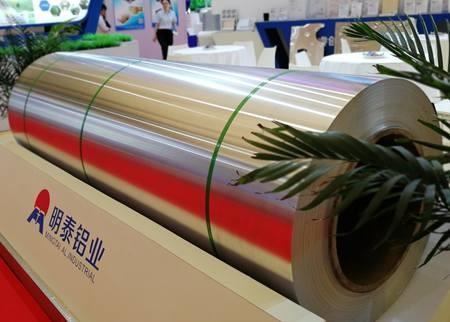
South Korea's trade ministry is seeking talks with the European Union (EU) over a new carbon-neutral policy that may cause the country's steel and aluminum exports to lose price competitiveness in the European market.
Under the EU's Carbon Border Adjustment Mechanism (CBAM), European importers of steel, aluminum, cement, electricity, and fertilizer must purchase "carbon certificates" corresponding to the carbon created during production.
The CBAM, according to the EU, will help reduce carbon leakage risks by encouraging producers in non-EU countries to green their production processes.
The measure is set for full implementation in 2026, following a 3-year transition period.
Trade Minister Yeo Han-Koo said that South Korea's stance is for the CBAM to follow the World Trade Organization rules.
South Korea expects its steel and aluminum industries to be among the CBAM's victims.
Yeo said the country would negotiate to keep environmental regulations, including the CBAM, from excessively burdening its firms.
Local firms have been asking the government to offer tax cuts to ease potential financial burdens due to the CBAM.













