


 Jack Lang Resigns as Head of Arab World Institute Amid Epstein Controversy
  Bosnian Serb Presidential Rerun Confirms Victory for Dodik Ally Amid Allegations of Irregularities
  India–U.S. Interim Trade Pact Cuts Auto Tariffs but Leaves Tesla Out
  Trump’s Inflation Claims Clash With Voters’ Cost-of-Living Reality
  Trump Says “Very Good Talks” Underway on Russia-Ukraine War as Peace Efforts Continue
  Nicaragua Ends Visa-Free Entry for Cubans, Disrupting Key Migration Route to the U.S.
  Trump Backs Nexstar–Tegna Merger Amid Shifting U.S. Media Landscape
  Anutin’s Bhumjaithai Party Wins Thai Election, Signals Shift Toward Political Stability
  Trump Lifts 25% Tariff on Indian Goods in Strategic U.S.–India Trade and Energy Deal
  Sydney Braces for Pro-Palestine Protests During Israeli President Isaac Herzog’s Visit
  Ghislaine Maxwell to Invoke Fifth Amendment at House Oversight Committee Deposition
  Taiwan Says Moving 40% of Semiconductor Production to the U.S. Is Impossible
  New York Legalizes Medical Aid in Dying for Terminally Ill Patients
  Trump Slams Super Bowl Halftime Show Featuring Bad Bunny
  China Overturns Death Sentence of Canadian Robert Schellenberg, Signaling Thaw in Canada-China Relations
  Japan Election 2026: Sanae Takaichi Poised for Landslide Win Despite Record Snowfall
  Trump Administration Appeals Court Order to Release Hudson Tunnel Project Funding


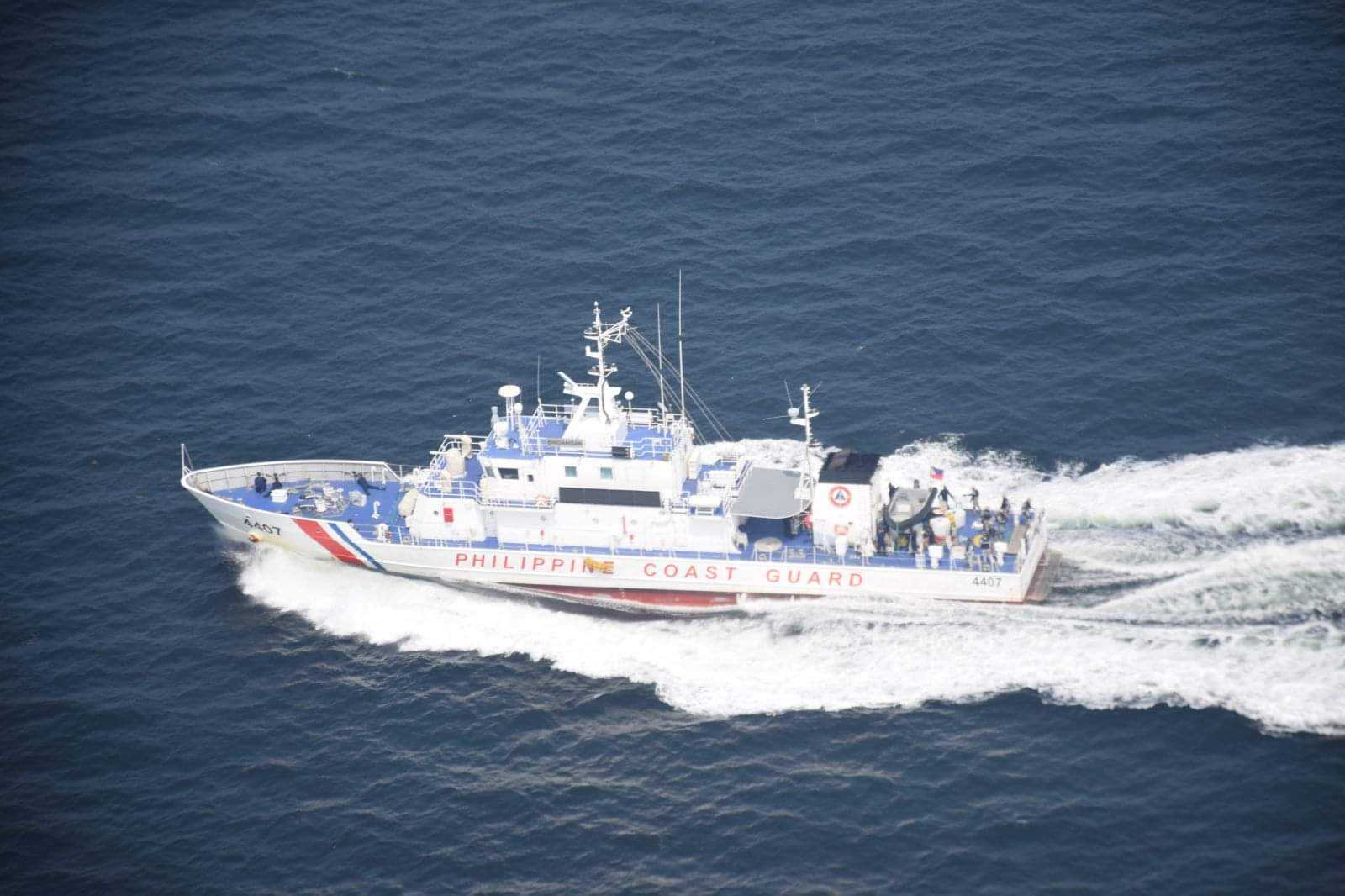
The Philippines, the United States, and Japan are set to hold their first-ever joint coast guard drills this week. The joint drills of the three countries come at a time of concerns over China’s increasing military activities in the disputed waters of the South China Sea.
Philippine Coast Guard spokesperson Armand Balilo said Monday that the coast guards of the Philippines, the US, and Japan would be holding their first joint coast guard exercises from June 1 to June 7. The drills will take place in waters off Bataan, an initiative by Washington and Tokyo. Australia will also participate in the joint drills but as an observer.
Balilo said four Philippine ships and one each from the US and Japan, will take part in the exercises that aimed to improve search and rescue collaboration and law enforcement. Balilo told a press conference that the joint drills are “a usual routine activity among coast guard agencies.”
“There is nothing wrong with holding exercises with your counterparts,” said Balilo, adding that the drills will also include counter-piracy simulations and potentially an interception exercise that involves a vessel carrying weapons of mass destruction.
Back in February, Washington and Tokyo reached out to Manila about holding joint maritime drills. At the time, the Philippines accused China of aggressive activities in the South China Sea. China claims most of the body of water as its territory and has ramped up its assertion of control over the waters by building artificial islands and setting up military outposts in unoccupied islands.
Japan, the US, and Australia have repeatedly condemned China’s aggressive military activities in the South China Sea and have since sought to further engage with the Philippines since President Ferdinand Marcos Jr. took office last year. Manila has also been increasingly vocal about China’s conduct in the waters.
On Thursday last week, Vietnam accused a Chinese survey ship and its escort ships of violating its sovereignty in its exclusive economic zone, demanding that Beijing remove the ships. Vietnamese foreign ministry Pham Thu Hang said in a statement that Vietnam has repeatedly contacted China while implementing measures in line with international law “to ensure lawful and legitimate rights and interests of Vietnam.”
Photo: Philippine Coast Guard/Wikimedia Commons(CC by 2.0)














_SEACAT_2021.jpg)