


 India–U.S. Interim Trade Pact Cuts Auto Tariffs but Leaves Tesla Out
  U.S.-India Trade Framework Signals Major Shift in Tariffs, Energy, and Supply Chains
  Gold and Silver Prices Climb in Asian Trade as Markets Eye Key U.S. Economic Data
  Russian Stocks End Mixed as MOEX Index Closes Flat Amid Commodity Strength
  Indian Refiners Scale Back Russian Oil Imports as U.S.-India Trade Deal Advances
  Australian Household Spending Dips in December as RBA Tightens Policy
  Nikkei 225 Hits Record High Above 56,000 After Japan Election Boosts Market Confidence
  Global Markets Slide as AI, Crypto, and Precious Metals Face Heightened Volatility
  Trump Lifts 25% Tariff on Indian Goods in Strategic U.S.–India Trade and Energy Deal
  Japan Economy Poised for Q4 2025 Growth as Investment and Consumption Hold Firm
  Trump’s Inflation Claims Clash With Voters’ Cost-of-Living Reality
  Dollar Near Two-Week High as Stock Rout, AI Concerns and Global Events Drive Market Volatility
  China Extends Gold Buying Streak as Reserves Surge Despite Volatile Prices
  Oil Prices Slip as U.S.-Iran Talks Ease Middle East Tensions
  Japanese Pharmaceutical Stocks Slide as TrumpRx.gov Launch Sparks Market Concerns


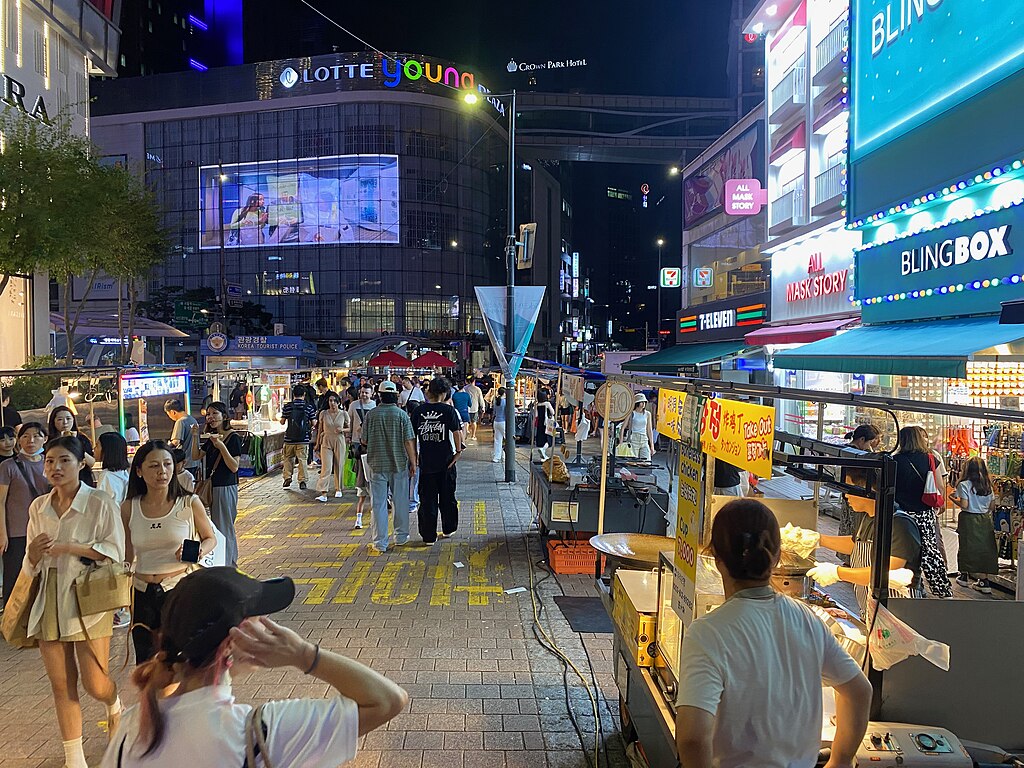
South Korea’s economy recorded minimal growth in the final quarter of 2025, as weak domestic demand and slowing private investment continued to weigh on overall activity, according to a Reuters poll of economists. While exports remained a key source of support, they were not enough to offset broader internal economic softness.
Asia’s fourth-largest economy was expected to expand by just 0.1% quarter-on-quarter in the October to December period on a seasonally adjusted basis. This marked a sharp slowdown from the 1.3% growth seen in the third quarter, which had been the fastest pace in more than a year. The forecast reflects the median estimate of 21 economists, although several warned that unfavourable base effects from the previous quarter may be distorting the headline figure. A number of analysts even expect the economy to have contracted slightly in the fourth quarter.
Economists pointed to persistent weakness in domestic demand, particularly in construction investment and discretionary household spending. These factors have remained under pressure despite earlier fiscal support measures. In contrast, South Korea’s export sector continued to perform relatively well, driven largely by strong global demand for semiconductors and automobiles. Official trade data showed exports rose 13.4% year-on-year in December to $69.58 billion, marking a seventh straight month of growth, even as South Korean goods faced a 15% tariff in the United States.
On an annual basis, gross domestic product was forecast to grow 1.9% in the fourth quarter, broadly in line with the 1.8% expansion recorded in the previous quarter. This stability largely reflects the ongoing contribution from exports, which have helped cushion the slowdown in domestic sectors.
Economists also noted that the positive impact of the government’s 31.8-trillion-won supplementary budget, including cash handouts aimed at boosting consumption, had already been reflected in third-quarter growth. As a result, the fourth quarter saw less fiscal momentum. At the same time, monetary policy support appeared to be fading, with the Bank of Korea signalling the end of its easing cycle amid a weakening won and rising housing prices in Seoul.













