


 Trump Signs Executive Order to Boost AI Research in Childhood Cancer
  Tabletop particle accelerator could transform medicine and materials science
  SpaceX’s Starship Completes 11th Test Flight, Paving Way for Moon and Mars Missions
  NASA Artemis II: First Crewed Moon Mission Since Apollo Takes Four Astronauts on 10-Day Lunar Journey
  SpaceX Pivots Toward Moon City as Musk Reframes Long-Term Space Vision
  Blue Origin New Glenn Rocket Explodes During Launch Pad Test, Delaying Space Ambitions
  NASA Cuts Boeing Starliner Missions as SpaceX Pulls Ahead
  Cogent Biosciences Soars 120% on Breakthrough Phase 3 Results for Bezuclastinib in GIST Treatment
  Blue Origin’s New Glenn Achieves Breakthrough Success With First NASA Mission
  FDA Pilot Program Eases Rules for Nicotine Pouch Makers
  Trump and Merck KGaA Partner to Slash IVF Drug Costs and Expand Fertility Coverage
  Trump Administration to Launch Autism Initiatives Targeting Acetaminophen Use and New Treatment Options
  Eli Lilly’s Inluriyo Gains FDA Approval for Advanced Breast Cancer Treatment
  Neuralink Plans High-Volume Brain Implant Production and Fully Automated Surgery by 2026
  Is space worth the cost? Accounting experts say its value can’t be found in spreadsheets
  SpaceX Prioritizes Moon Mission Before Mars as Starship Development Accelerates


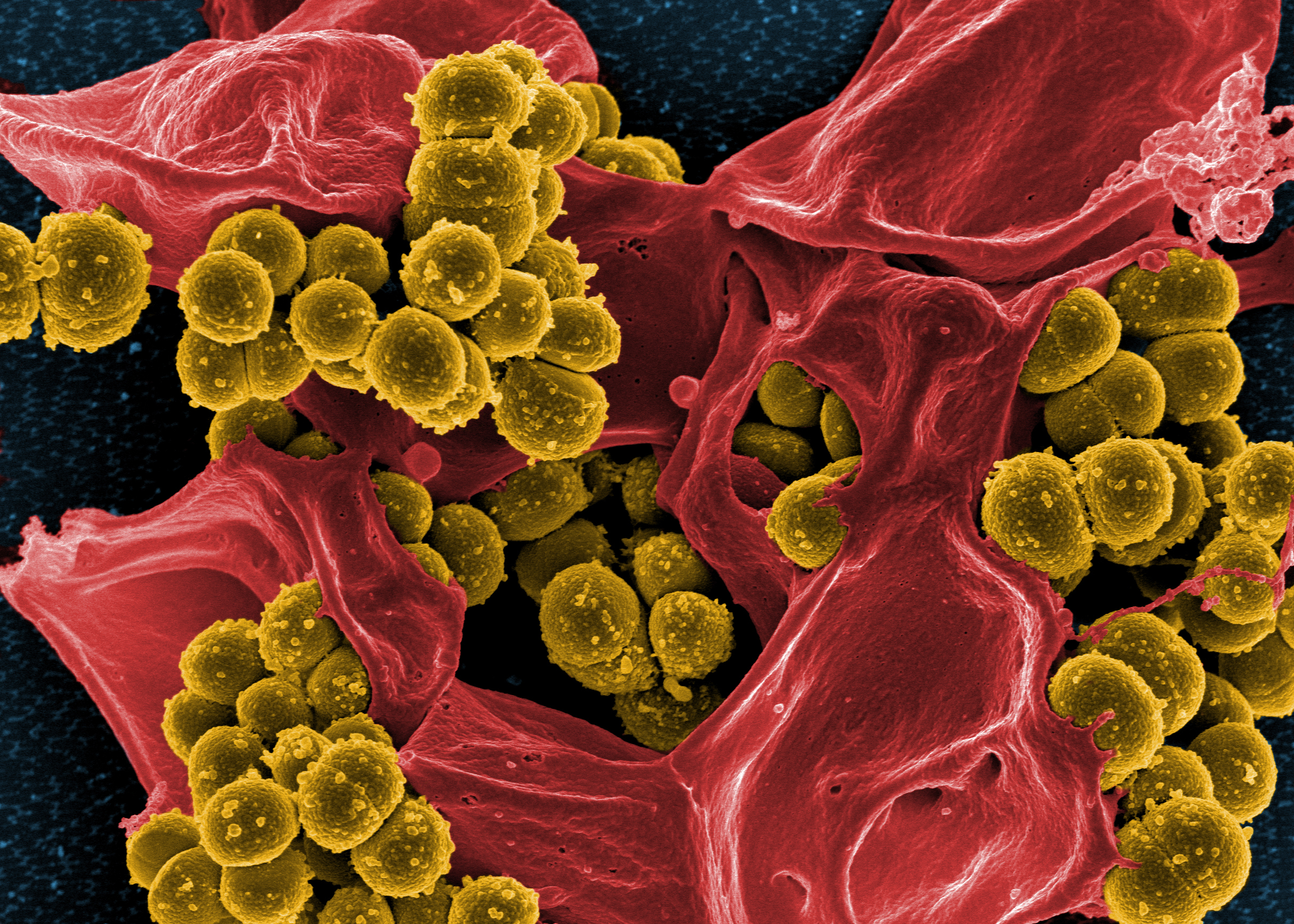
Elon Musk’s rocket company SpaceX is slated to send a rocket up into space on February 14th carrying a very special payload. With the alarming rate of growth of drug-resistant superbugs on Earth, scientists now want to send an example called Methicillin-resistant Staphylococcus aureus (MRSA) into space for study.
Anyone who knows anything of MRSA will likely have felt chills running down their spine at the very thought of being in an enclosed space with the microorganism in Zero-gravity. However, this is exactly what scientists are planning on doing with the purpose of studying the super bacteria, Futurism reports.
Studying MRSA in space has several advantages compared to when studying it here on Earth, the biggest of which is to accelerate the mutation of the bacteria. Without the constant pressure exerted by the planet’s gravity, MRSA will basically be able to change at an accelerated rate, which ties directly into its ability to infect and even kill its hosts.
Normally associated with symptoms like red, swollen bumps on the skin, MRSA is an incredibly efficient killer. The only way to stop it is to develop a method of counteracting its effects in a specific manner, which will need first-hand observation of how it develops in the first place.
Once it reaches space, Dr. Anita Goel and her team of scientists will be handling the deadly bacteria, Yahoo reports. Dr. Goel won the Galactic Grant Competition back in 2015, which allowed her to receive $500,000 in grant money. At the event, she outlines her plans for the future, including a trip to the International Space Station to accelerate the finding of cures to deadly organisms.
"We will leverage the microgravity environment on the ISS to accelerate the Precision Medicine revolution here on Earth," Dr. Goel explained. "Our ability to anticipate drug-resistant mutations with Gene-RADAR will lead to next-generation antibiotics that are more precisely tailored to stop the spread of the world's most dangerous pathogens."







