


 Europe's Aviation Sector on Track to Meet 2025 Green Fuel Mandate
  NASA's Artemis II Crew Arrives in Florida for Historic Moon Mission
  Cybersecurity Stocks Tumble After Anthropic's Claude Mythos AI Leak Sparks Market Fears
  Elon Musk Ties SpaceX IPO Access to Mandatory Grok AI Subscriptions
  Jefferies Upgrades Sodexo to Buy With €55 Target After Historic CEO Appointment
  NASA Artemis II: First Crewed Moon Mission Since Apollo Takes Four Astronauts on 10-Day Lunar Journey
  Fonterra Admits Anchor Butter "Grass-Fed" Label Misled Consumers After Greenpeace Lawsuit
  OpenAI Executive Shake-Up Ahead of Anticipated 2026 IPO
  Australia's Social Media Ban for Under-16s Sparks Global Movement
  Trump Administration Plans 100% Tariffs on Pharmaceutical Imports
  Rubio Directs U.S. Diplomats to Use X and Military Psyops to Counter Foreign Propaganda
  TSMC Japan's Second Fab to Produce 3nm Chips by 2028
  Tesla Q1 2026 Deliveries Miss Estimates as AI Strategy Takes Center Stage
  Annie Altman Amends Sexual Abuse Lawsuit Against OpenAI CEO Sam Altman
  Apple Turns 50: From Garage Startup to AI Crossroads
  Star Entertainment Secures $390M Refinancing Deal to Stabilize Operations
  McDonald's and Restaurant Brands International Face Headwinds Amid Iran Conflict and Rising Costs


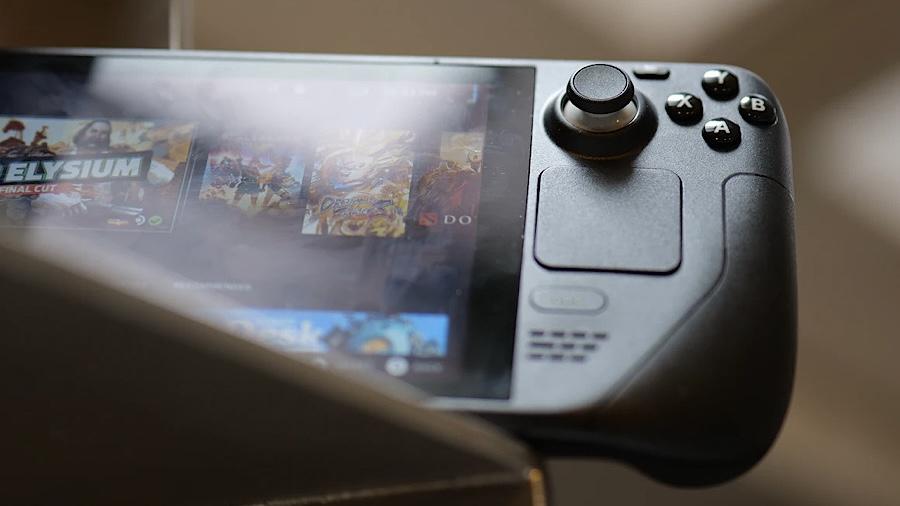
Valve says it has increased its manufacturing capabilities to meet the demand for its handheld gaming PC. The company then announced on Thursday that customers can now order the device even if they do not have a reservation.
The Steam Deck launched at a time when almost every tech company had to navigate supply chain issues. Valve's solution right at the beginning was to set up a reservation system, where customers have to queue just to place an order for the hardware. But the company now says that requirement has been removed, and any customer where the Steam Deck is available can now order it.
"Supply chain issues kept us from producing steam decks fast enough to meet demand. But now, even though, the rate of reservations keep growing, we've been able to increase our manufacturing volume to meet demand," Valve said in a video announcement on Thursday. "As of today, you no longer make a reservation for a Steam Deck."
For PC gamers who paid $5 to queue in the previous reservation system, Valve said they should receive an order email soon. This means customers whose original order window was not for another quarter no longer have to wait months to place an order.
Valve, however, noted that supply chain issues it previously faced could still arise in the future. The company said if it receives an overwhelming order volume compared to its current manufacturing capacity, it may have to reinstate the Steam Deck reservation system.
The no-reservation orders for Steam Deck appear to only apply to territories where the device first shipped, which includes the United States, Canada, Europe, and the United Kingdom. In the same video announcement, Valve said it is "starting to take reservations" in Japan, South Korea, Taiwan, and Hong Kong.
Valve also launched the official Steam Deck docking station for $89 on Thursday. It has three USB-A 3.1 ports and a USB-C power port. Players can also use it to connect the device to external monitors via DisplayPort, HDMI, and Gigabit Ethernet. But the company noted that SteamOS supports third-party USB hubs or docks.
Photo by Petar Vukobrat on Unsplash







