


 Apple's Foldable iPhone Faces Engineering Setbacks, Mass Production Timeline at Risk
  ECB Warns of Rising Inflation Risks Amid Iran War Energy Shock
  MATCH Act Targets ASML and Chinese Chipmakers in New U.S. Export Crackdown
  China's Fermented Feed Push: Cutting Soybean Dependence Amid Trade War
  LG Electronics Posts Record Q1 Revenue Amid Strong Demand and Cost Improvements
  SpaceX Eyes Historic IPO at $1.75 Trillion Valuation
  Britain Courts Anthropic Amid US Defense Department Dispute
  Ford Issues Major Recall on Over 422,000 Vehicles Due to Windshield Wiper Defect
  Gold Prices Drop for Third Consecutive Session Amid Iran Tensions and Inflation Fears
  Annie Altman Amends Sexual Abuse Lawsuit Against OpenAI CEO Sam Altman
  Global Markets Waver as U.S.-Iran War Deadline Looms and Oil Prices Surge
  Bank of Japan Warns of Regional Economic Risks Amid Middle East Conflict and Rising Oil Prices
  Tesla Q1 2026 Deliveries Miss Estimates as AI Strategy Takes Center Stage
  Private Credit Under Pressure: Is a Slow-Motion Crisis Unfolding?
  Deere & Company Agrees to $99 Million Settlement Over Right-to-Repair Dispute
  US Dollar Dips as Iran Rejects Ceasefire Amid Rising Middle East Tensions
  First Western Ship Transits Strait of Hormuz Since Iran War Began


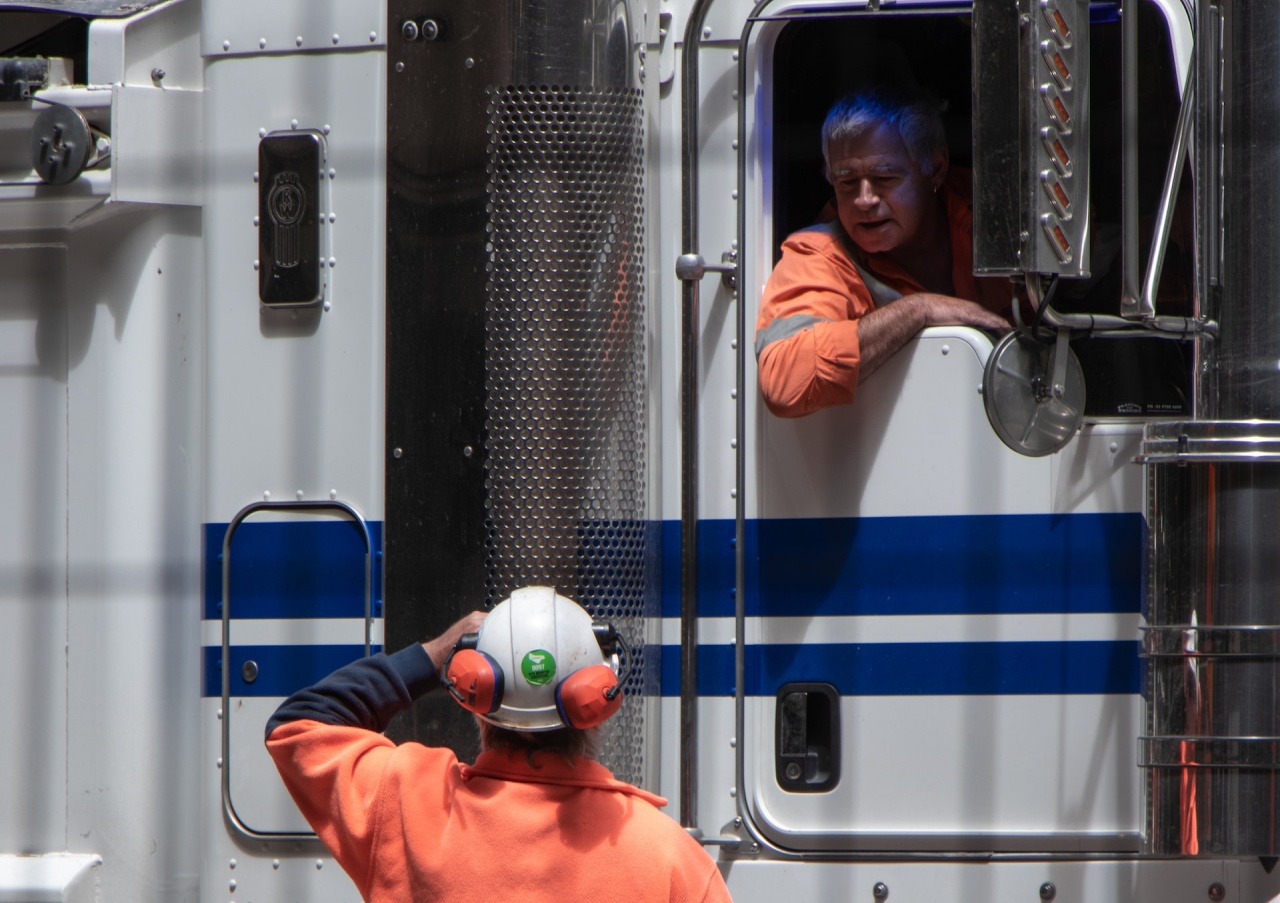
Thousands of truckers in South Korea are on strike, and on Monday, Nov. 28, the group and government officials held a 2-hour meeting. Unfortunately, the two camps were not able to reach an agreement, and a threat of executive action is brewing as a result.
As per the Korea Joongang Daily, the striking truckers and the officials are set to return to the negotiating table on Wednesday, Nov. 30. It was reported that Eo Myeong So, the vice minister of the Ministry of Land, Infrastructure and Transport (MOLIT), talked with the representatives of Cargo Truckers Solidarity, a group that is part of the Korean Confederation of Trade Unions, at the government agency’s office located in Sejong.
Since Thursday, around 7,600 unionized truck drivers have joined the strike. It was said that about 25,000 truckers which is equivalent to six percent of the country’s total, are members of the trucker union. They are protesting for the government to grant their demand of making the freight rate system permanent plus expand the qualifications to include more types of trucks.
In this system, workers are guaranteed the minimum transportation charges to prevent overworking as well as speeding. This system which was temporarily implemented in 2020, also states that shippers are fined if they pay less than the specified minimum. The truckers want to retain this scheme which is already expiring next year.
Eo said this week that extending the system to include more types of drivers is something that the government will not agree on. He said this after commenting that they have already expressed their position with regard to the extension of the freight rate system for another three years.
Lee Sang Min, the minister of interior and safety, further said during a government emergency safety meeting this week that they “can no longer stand by and watch the bad habits of selfish collective actions led by a small group of hardline aristocratic labor union leaders rock the economy and cause harm to the majority of good workers.”
He added, “The government has already accepted the demand from the cargo truck union to extend the freight rate system for another three years for container and cement trucks and we are looking for a solution in our discussions with the National Assembly."
At this time, the system only includes drivers of trucks that carry cement and containers. Thus, the protesting cargo drivers want others to get the same benefits as well. However, as stated by the officials in recent meetings, the government is unlikely to approve this.
Meanwhile, Pulse News reported that the failed dialogue between the officials and the truckers group had halted many loading activities in key ports. Companies from steel to cement and petrochemicals were forced to halt their deliveries and transportation of goods due to the strike.
Photo by: Mitchell Luo/Unsplash







