


 Trump Lifts 25% Tariff on Indian Goods in Strategic U.S.–India Trade and Energy Deal
  Japan’s Prime Minister Sanae Takaichi Secures Historic Election Win, Shaking Markets and Regional Politics
  Trump Says “Very Good Talks” Underway on Russia-Ukraine War as Peace Efforts Continue
  India–U.S. Interim Trade Pact Cuts Auto Tariffs but Leaves Tesla Out
  Nicaragua Ends Visa-Free Entry for Cubans, Disrupting Key Migration Route to the U.S.
  Trump Allows Commercial Fishing in Protected New England Waters
  Pentagon Ends Military Education Programs With Harvard University
  Trump Backs Nexstar–Tegna Merger Amid Shifting U.S. Media Landscape
  Bosnian Serb Presidential Rerun Confirms Victory for Dodik Ally Amid Allegations of Irregularities
  Ghislaine Maxwell to Invoke Fifth Amendment at House Oversight Committee Deposition
  U.S.-India Trade Framework Signals Major Shift in Tariffs, Energy, and Supply Chains
  Ohio Man Indicted for Alleged Threat Against Vice President JD Vance, Faces Additional Federal Charges
  Israel Approves West Bank Measures Expanding Settler Land Access
  U.S. Lawmakers to Review Unredacted Jeffrey Epstein DOJ Files Starting Monday
  Trump Slams Super Bowl Halftime Show Featuring Bad Bunny
  Netanyahu to Meet Trump in Washington as Iran Nuclear Talks Intensify
  Anutin’s Bhumjaithai Party Wins Thai Election, Signals Shift Toward Political Stability


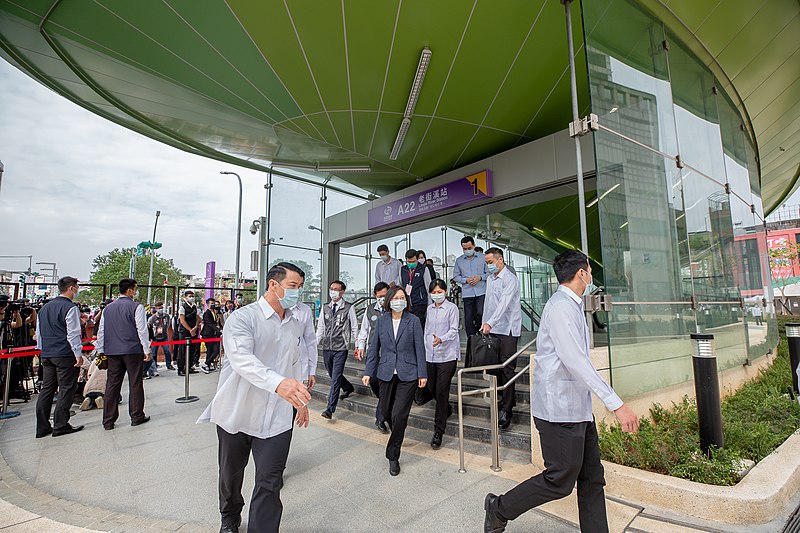
Taiwan’s President Tsai Ing-wen has decided to step down from the governing Democratic Progressive Party following the results of the recent local elections. Tsai’s efforts to frame the upcoming races as a way to show defiance to China’s influence fell short when the opposition party made gains in the majority of local seats.
Tsai turned in her resignation as the head of the DPP on Saturday following the results of the local elections, which leaned towards the opposition KMT. Tsai thanked her supporters in a short speech at the party’s headquarters.
“The results failed our expectations. We humbly accept the results and accept the Taiwanese people’s decision,” said Tsai in her remarks after she stepped down, having done the same thing during the 2018 elections. “It’s not like the DPP’s never failed before. We don’t have time to feel sorry. We fell, but we will stand up again.”
Tsai also said she rejected the resignation from the island nation’s premier, Su Tseng-chang, who is also from the DPP. Tsai added that she asked Su to stay in office to make sure her policies would be implemented. The Cabinet said that Su agreed to stay out of the need for stability in the face of the “arduous” domestic and international situation.
The KMT, which has been accused of being pro-Beijing, criticized the DPP for smearing the party as being “red” – the colors of the Chinese Communist Party, despite being known to favor close ties with China. Both the KMT and the DPP have strongly rejected China’s influence.
KMT chairman Eric Chu celebrated the party’s victory in the recent races but added that the party intends to protect the island’s freedoms.
“We will insist on defending the Republic of China and protecting democracy and freedom,” Chu told reporters, referring to Taiwan by its official name. “We will also work hard to keep regional peace.”
With the losses of the DPP in the recent elections, the focus has shifted to the presidential poll, with the presidential election set to take place in 2024. Chu also said at the time that the party understood that only through unity that it could win.
“Taiwan’s people have given us an opportunity,” said Chu. “Being selfless is the only chance that the KMT could win the 2024 election.”













