


 RBI Holds Repo Rate at 5.25% as India’s Growth Outlook Strengthens After U.S. Trade Deal
  Asian Markets Surge as Japan Election, Fed Rate Cut Bets, and Tech Rally Lift Global Sentiment
  Antonio José Seguro Poised for Landslide Win in Portugal Presidential Runoff
  US Pushes Ukraine-Russia Peace Talks Before Summer Amid Escalating Attacks
  Trump Administration Appeals Court Order to Release Hudson Tunnel Project Funding
  Trump Signs Executive Order Threatening 25% Tariffs on Countries Trading With Iran
  India–U.S. Interim Trade Pact Cuts Auto Tariffs but Leaves Tesla Out
  Trump Lifts 25% Tariff on Indian Goods in Strategic U.S.–India Trade and Energy Deal
  Vietnam’s Trade Surplus With US Jumps as Exports Surge and China Imports Hit Record
  Singapore Budget 2026 Set for Fiscal Prudence as Growth Remains Resilient
  Trump Backs Nexstar–Tegna Merger Amid Shifting U.S. Media Landscape
  U.S.-India Trade Framework Signals Major Shift in Tariffs, Energy, and Supply Chains
  Oil Prices Slip as U.S.-Iran Talks Ease Middle East Tensions
  Dollar Near Two-Week High as Stock Rout, AI Concerns and Global Events Drive Market Volatility
  New York Legalizes Medical Aid in Dying for Terminally Ill Patients
  Jack Lang Resigns as Head of Arab World Institute Amid Epstein Controversy
  UK Starting Salaries See Strongest Growth in 18 Months as Hiring Sentiment Improves


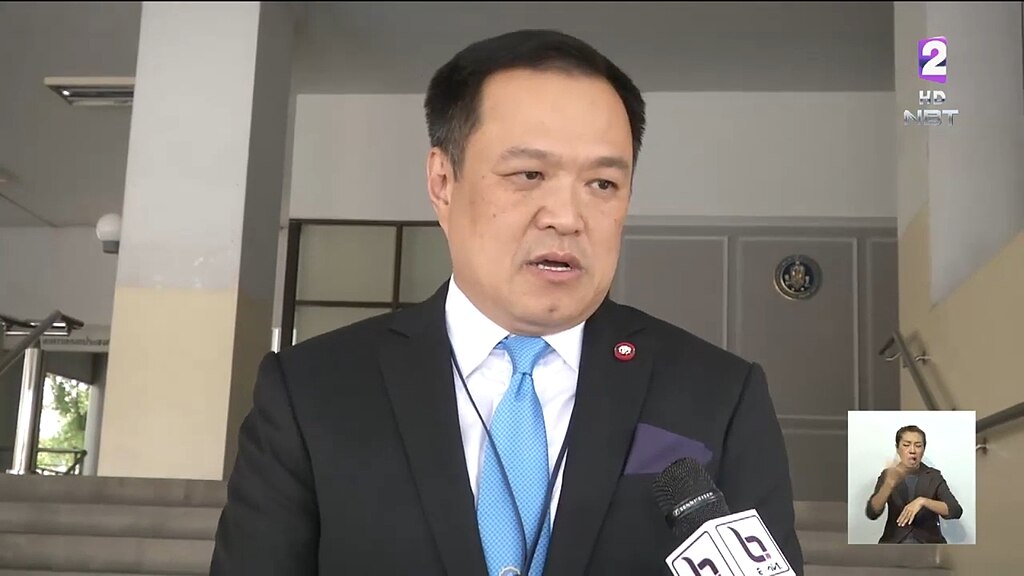
Thailand’s new Prime Minister, Anutin Charnvirakul, has called on the nation’s banks to take a more active role in boosting liquidity as part of urgent efforts to revive the economy. The move comes amid mounting concerns over the baht’s sharp appreciation, which recently climbed to a four-year high, threatening the competitiveness of key sectors like tourism and exports.
Anutin, speaking after a meeting with the Thai Bankers’ Association, stressed that stabilizing the financial system is a priority for the incoming government. The strong baht has sparked worries that the country’s fragile recovery could stall, especially as Thailand continues to rely heavily on foreign visitors and international trade to drive growth.
Deputy Prime Minister and Finance Minister Ekniti Nitithanprapas echoed these concerns, announcing the formation of a special task force to manage the baht’s rapid rise. He emphasized that the government’s approach aims to deliver short-term recovery measures with sustainable long-term benefits.
“We are focusing on restructuring the economy, especially addressing household debt, which has been a long-standing challenge,” Ekniti said. Household debt in Thailand remains among the highest in Asia, creating additional pressure on both consumers and lenders.
The government’s dual focus on currency stability and financial reform highlights the urgency of restoring investor and consumer confidence. By urging banks to increase liquidity, policymakers hope to ease financial pressures, maintain credit flows, and stimulate spending across industries most vulnerable to the strong baht.
Analysts suggest that swift action will be critical, as further currency appreciation could undermine Thailand’s export competitiveness and discourage foreign investment. The government’s early steps signal a clear intent to protect economic stability while laying the groundwork for deeper structural reforms.













