


 Tsai Warns of China’s Sustained Pressure on Taiwan
  JD Vance Says Iran Must Cut Nuclear Enrichment to End War
  Trump Envoy Meets Sudan Army Chief in Egypt
  Hegseth Praises USS Abraham Lincoln Crew After Record Iran War Deployment
  Trump Rallies in Texas as Republicans Face Tight Midterm Races
  Saudi Arabia Probes Flydubai Cockpit Attack
  Maduro, Wife May Face New US Torture Charges
  Merz Warns of Extremism After AfD Gains Power in Saxony-Anhalt
  US, Greece Launch New Counterterrorism Security Program
  Saudi Airport Attacks Kill Three as Yemen Fighting Escalates
  Vance Demands Iran Cut Nuclear Enrichment to End War
  Trump Says He Deserves 2026 Nobel Peace Prize Despite Uncertain Chances
  San Francisco Halts New Data Center Construction With 45-Day Moratorium
  Lincoln University Students Sue Missouri Over Decades of Underfunding
  Mike Rogers Calls for End to US-Canada Tariff War
  Zelenskiy Warns Russia Is Preparing Massive Attack on Ukraine
  Rapidus Seeks Chip Customers as Japan Pushes 2nm Semiconductor Revival


 Add as a preferred source on Google
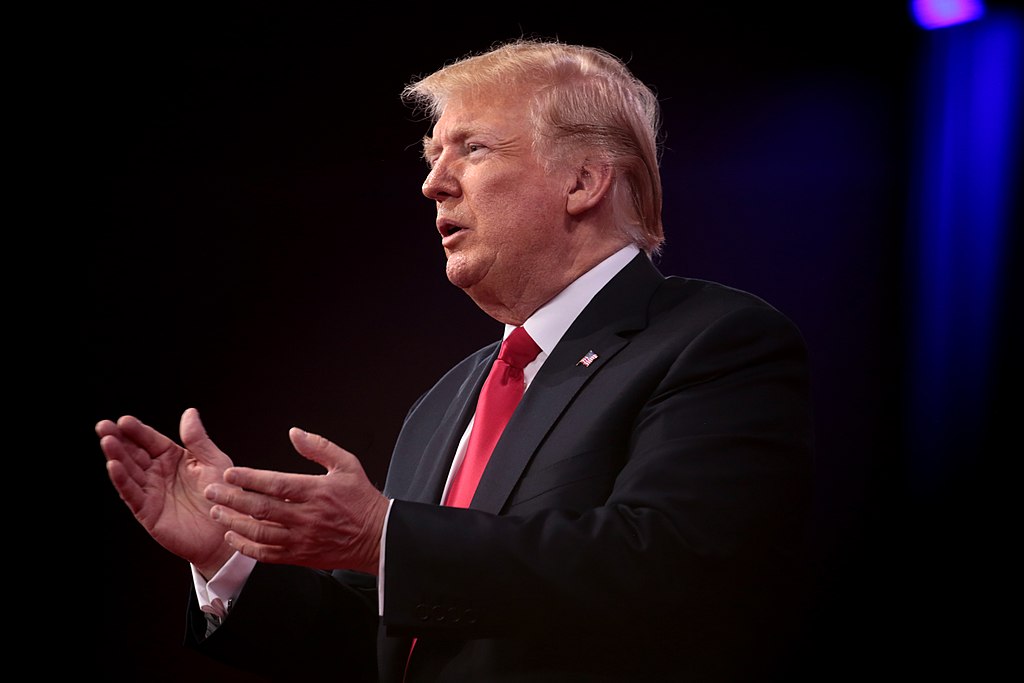
The United States government faces a potential shutdown during the holiday season as President-elect Donald Trump and Elon Musk, his incoming "efficiency czar," derailed a critical funding bill. Their intervention has thrown Congress into turmoil, jeopardizing federal operations just days before Christmas.
Musk and Trump’s Opposition Sparks Crisis
Congress had been poised to pass a continuing resolution (CR) to extend government funding past Friday night, ensuring essential services remain operational. However, Musk, using his massive platform on X (formerly Twitter), criticized the bill, calling it a "pork-laden mess" and questioning its transparency. His posts, some of which included misleading claims, ignited backlash among fiscal conservatives.
Twelve hours later, Trump and Vice President-elect J.D. Vance joined Musk in condemning the bill. They issued a statement demanding the inclusion of a debt ceiling increase—a contentious issue that typically requires weeks of negotiation. This sudden demand has stalled progress, with federal agencies now preparing for a shutdown at midnight Saturday.
Impact on Federal Workers and Services
If Congress fails to pass a funding bill, the government will partially shut down, leaving hundreds of thousands of federal employees furloughed or working without pay during the holiday season. National parks, museums, and other public services would close, while critical operations like military defense and law enforcement would continue but face resource constraints.
Speaker Mike Johnson (R-La.) has pledged to introduce a pared-down funding bill that addresses debt concerns and trims unnecessary spending. However, with Democrats controlling the Senate, bipartisan support remains unlikely. House Minority Leader Hakeem Jeffries (D-N.Y.) dismissed Republican attempts to renegotiate, emphasizing the bipartisan agreement already reached.
Partisan Disarray and Economic Concerns
The CR debacle has exposed deep fractures within the Republican Party. Johnson has been criticized for misjudging his party’s tolerance for spending and for failing to anticipate Musk and Trump’s opposition. The fallout raises questions about Musk’s influence as a private citizen and his ability to disrupt legislative proceedings.
Democrats argue the chaos offers a glimpse into the challenges of Trump’s second term, particularly with Musk wielding significant sway in policy discussions. Prominent Trump critic and conservative lawyer George Conway quipped, "It’s weird to think Elon Musk paid far less for the U.S. government than for Twitter."
The stalled bill also jeopardizes $100 billion in disaster relief for hurricane victims and $30 billion in aid for farmers. These funds are urgently needed but may become collateral damage in the political standoff.
Public Reaction on Social Media
The showdown has sparked heated debate online. Twitter user @PatriotGuard commented, "Musk and Trump are saving taxpayers from reckless spending. This bill was doomed from the start." Meanwhile, @CivilRightsAdvocate expressed concern: "Furloughing workers over Christmas is cruel and unnecessary."
User @BudgetHawk added, "Congress must stop passing bloated bills and prioritize fiscal responsibility." In contrast, @PolicyWatchdog tweeted, "Trump’s debt limit demand is a distraction from the real issue: disaster and farm aid delays."
Others like @VoterConcern warned, "The shutdown would harm vulnerable communities, all for political grandstanding." Finally, @BalancedBudgetNow shared, "This is why we need leaders focused on solutions, not social media theatrics."
Conclusion
With federal workers and critical services at risk, Congress faces mounting pressure to resolve the funding deadlock. However, Trump and Musk’s intervention has further complicated negotiations, leaving little hope for a swift resolution. As the shutdown deadline looms, the standoff highlights the complexities of balancing fiscal responsibility with governance.







