


 Trump, Canada Reach Gordie Howe Bridge Deal Ahead of July 27 Opening
  EU Ministers Split as Support Grows for Ban on Trade With Israeli West Bank Settlements
  Republican Senator Lindsey Graham Dies at 71, Leaving South Carolina Senate Seat Vacant
  Brazil Court Bars Flavio Bolsonaro From Visiting Jair Bolsonaro Ahead of Election
  Ukraine, Europe Launch Freyja Missile Shield to Strengthen Air Defense Against Russia
  EU Weighs New Trade Restrictions on Israeli West Bank Settlements
  US-Iran Strikes Escalate as Strait of Hormuz Crisis Pushes Oil Prices Higher
  Russia Launches Missile and Drone Attacks on Kyiv, Zaporizhzhia, and Kharkiv
  Iran's Supreme Leader Vows Revenge as Trump Threatens Massive U.S. Military Response
  Trump Tells Congress Iran Hostilities Restarted, Citing New 60-Day War Powers Window
  Minnesota Wildfires Spread as Governor Tim Walz Deploys National Guard
  Iraq PM Visits Washington as U.S. Oil, Gas Deals Take Center Stage
  Israeli Strikes Kill Six in Gaza as Ceasefire Talks Continue in Cairo
  Ann Widdecombe Murder: Police Arrest Second Suspect, Rule Out Terrorism Motive
  Zelenskiy Plans Ukraine Government Shake-Up as Prime Minister Svyrydenko Set to Step Down
  Venezuela Appoints Felix Plasencia to Lead Foreign Relations and Trade


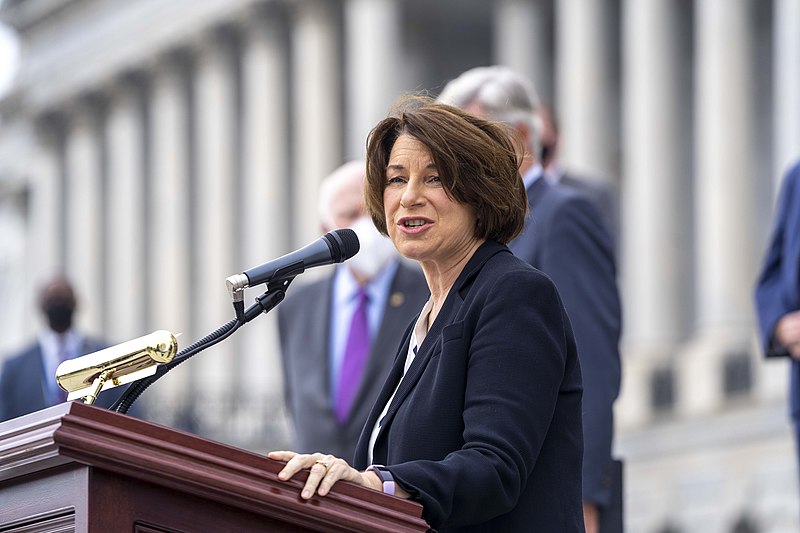
A bipartisan group of US lawmakers this week introduced legislation that would allow news outlets to negotiate with major online platforms. The new bill comes after its previous version was opposed by two technology groups that included the platforms that Facebook and Google are part of.
Four lawmakers of the House and Senate Judiciary Committees unveiled their legislation named the Journalism Competition and Preservation Act Monday, which would allow for negotiations between news outlets and major platforms like Google and Facebook. The bill is a revised version of the legislation that was first introduced in March last year but ran into opposition from tech trade groups that Facebook and Google are part of.
The bill would remove “legal obstacles to news organizations’ ability to negotiate collectively and secure fair terms from gatekeeper platforms that regularly access news content without paying for its value.” Democratic Senator Amy Klobuchar, Republican Senator John Kennedy, Democratic Rep. David Cicilline, and Republican Rep. Ken Buck introduced the bill.
The revised legislation would cover news outlets that have less than 1,500 full-time employees and non-network news broadcasters. The bill would also allow them to coordinate to negotiate better deals with Facebook, Google, and other major platforms.
The legislation introduced last year, would have applied to any print, broadcast, or digital news outlet with an editorial staff that published content at least on a weekly basis.
Meanwhile, Reuters reports that the decision by the Biden administration to forgive student loan debt as early as Wednesday, according to a source familiar with the matter. This comes as the current pause on student loan payments is set to expire at the end of August, with borrower balances frozen since the start of the COVID-19 pandemic in the country.
Several advocates for student loan cancellation expect the Biden administration to extend its current pause on student loan payments until the end of the year, while also announcing plans to cancel as much as $10,000 in student debt for those whose income is less than $125,000 a year.
The issue is likely to come up in the midterm elections in November, especially among younger voters, most of whom tend to lean Democratic.







