


 South Africa Eyes ECB Repo Lines as Inflation Eases and Rate Cuts Loom
  Dow Hits 50,000 as U.S. Stocks Stage Strong Rebound Amid AI Volatility
  Australian Pension Funds Boost Currency Hedging as Aussie Dollar Strengthens
  Japanese Pharmaceutical Stocks Slide as TrumpRx.gov Launch Sparks Market Concerns
  Asian Markets Surge as Japan Election, Fed Rate Cut Bets, and Tech Rally Lift Global Sentiment
  Vietnam’s Trade Surplus With US Jumps as Exports Surge and China Imports Hit Record
  Trump Lifts 25% Tariff on Indian Goods in Strategic U.S.–India Trade and Energy Deal
  Nikkei 225 Hits Record High Above 56,000 After Japan Election Boosts Market Confidence
  Trump’s Inflation Claims Clash With Voters’ Cost-of-Living Reality
  U.S.-India Trade Framework Signals Major Shift in Tariffs, Energy, and Supply Chains
  Japan Economy Poised for Q4 2025 Growth as Investment and Consumption Hold Firm
  Gold and Silver Prices Rebound After Volatile Week Triggered by Fed Nomination
  Yen Slides as Japan Election Boosts Fiscal Stimulus Expectations
  RBI Holds Repo Rate at 5.25% as India’s Growth Outlook Strengthens After U.S. Trade Deal
  Trump Signs Executive Order Threatening 25% Tariffs on Countries Trading With Iran
  Oil Prices Slip as U.S.-Iran Talks Ease Middle East Tensions


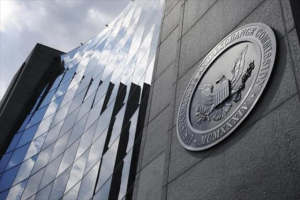
The US Securities and Exchange Commission broadened the definition of an accredited investor to allow more Americans to buy shares in private companies while easing some company disclosure rules.
The new definition added a test of the investor’s sophistication “based on professional knowledge, experience, or certifications, ” rather than basing it largely on income and wealth.
The SEC said the new definition was aimed at individuals, such as hedge fund employees or brokers, who are knowledgeable about private offerings but would not have qualified under the previous definition.
The agency added that it hopes the changes will boost retail investors’ access to the swelling pool of companies that are staying private for longer.
Family offices with at least $5 million in assets also fall under the new definition, making it easier for residents of Native American reservations and foreign nationals to qualify as accredited investors.
The director of investor protection at Consumer Federation of America, Barbara Roper, criticized the definition had for being too liberal, allowing private issuers to sell products to those who are not financially sophisticated to value those securities.
The SEC also eased rules on how public companies disclose legal proceedings and risks to eliminate repetitiveness and make the information more accessible.













