


 EU Ministers Split as Support Grows for Ban on Trade With Israeli West Bank Settlements
  Trump Tells Congress Iran Hostilities Restarted, Citing New 60-Day War Powers Window
  Trump Recommends Darline Graham for Interim South Carolina Senate Seat
  Venezuela Appoints Felix Plasencia to Lead Foreign Relations and Trade
  Ann Widdecombe Murder: Police Arrest Second Suspect, Rule Out Terrorism Motive
  Trump to Deliver National Address on Declassified 2020 Election Intelligence
  Republican Senator Lindsey Graham Dies at 71, Leaving South Carolina Senate Seat Vacant
  Ukraine, Europe Launch Freyja Missile Shield to Strengthen Air Defense Against Russia
  Trump Administration Bars U.S. Travelers From Congo Flights Amid Ebola Outbreak
  US-Iran Strikes Escalate as Strait of Hormuz Crisis Pushes Oil Prices Higher
  Russia Launches Missile and Drone Attacks on Kyiv, Zaporizhzhia, and Kharkiv
  Brazil Court Bars Flavio Bolsonaro From Visiting Jair Bolsonaro Ahead of Election
  Israel Sets October 27 Election as Netanyahu Faces Tough Political Test
  Trump, Canada Reach Gordie Howe Bridge Deal Ahead of July 27 Opening
  Western Allies Push for More Air Defenses for Ukraine at Paris Summit
  Iran Says It Closes Strait of Hormuz After Warning Shot at Vessel
  EU Weighs New Trade Restrictions on Israeli West Bank Settlements


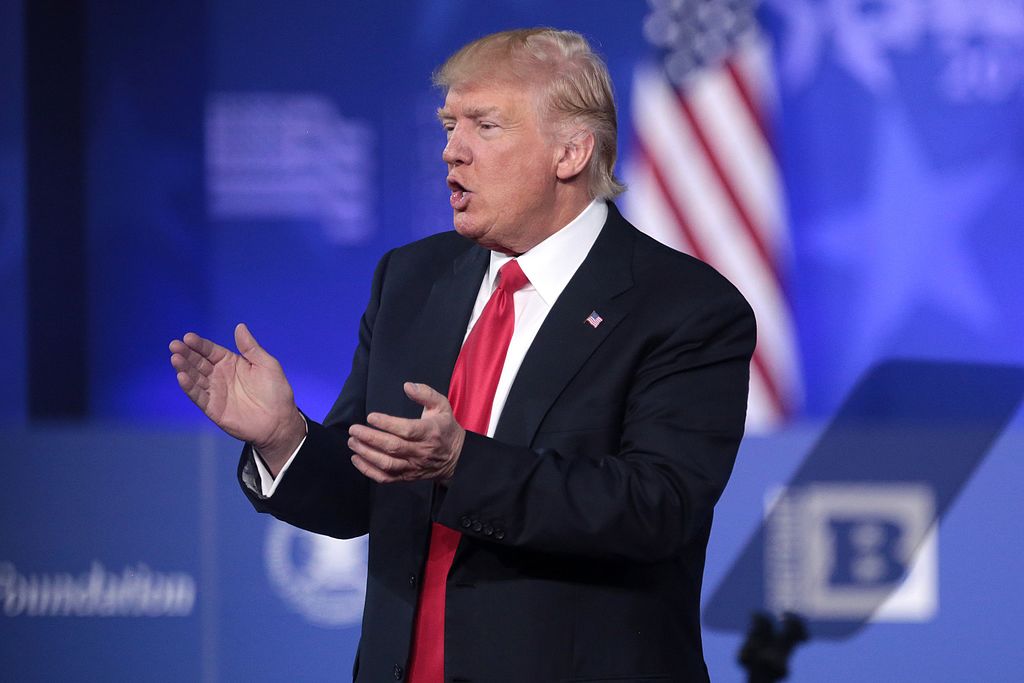
Donald Trump, now in his second term as president, is implementing an aggressive plan to combat international money laundering, an issue that has plagued financial systems globally. With bold policies and a hardline approach, his administration is seeking to tighten controls, disrupt illicit networks, and enhance global cooperation to prevent dirty money from undermining the U.S. economy.
Tougher Financial Regulations at Home
At the core of Trump's strategy is a significant overhaul of financial regulations. The administration is pushing for stricter reporting requirements for banks and non-bank financial institutions. Under these new measures, entities must report transactions exceeding $5,000, reducing the threshold from the previous $10,000. According to Treasury Secretary Steven Mnuchin, the lower reporting limit will create a stronger paper trail, helping authorities identify suspicious activities more effectively.
Additionally, the Department of Justice has been granted expanded authority to prosecute financial institutions that fail to comply with anti-money laundering (AML) protocols. To ensure compliance, hefty fines and criminal penalties are being introduced, signaling that negligence will no longer be tolerated.
Enhancing Global Cooperation
Recognizing the transnational nature of money laundering, Trump’s administration is also focusing on enhancing international cooperation. By strengthening alliances with key partners, such as the European Union and the Financial Action Task Force (FATF), the U.S. is working to harmonize AML regulations across borders. This initiative aims to close loopholes that criminals exploit in jurisdictions with weaker financial oversight.
The administration has also expanded its use of targeted sanctions. In coordination with allies, it has blacklisted several offshore banks and shell companies linked to drug cartels, terrorist organizations, and tax evasion schemes. These actions have drawn mixed reactions globally, with some praising the bold moves while others criticize the collateral economic impacts on developing nations.
The Role of Technology in Tracking Dirty Money
Technology plays a critical role in Trump’s anti-money laundering agenda. The administration has directed resources toward artificial intelligence systems capable of analyzing complex financial networks. These systems can identify patterns indicative of money laundering, such as layering and smurfing, with greater speed and accuracy than traditional methods.
Trump has also authorized the development of blockchain-based tools for monitoring cryptocurrency transactions. While some critics argue that such measures infringe on privacy, the White House maintains that these tools are essential in addressing the rise of crypto-based money laundering schemes.
Public Reaction Divided Over Trump’s Approach
Trump’s bold measures have ignited fierce debate online. While some netizens applaud his aggressive stance, others question the potential overreach of government powers.
@CryptoConscious tweeted: “Trump cracking down on money laundering? Great. But what about our financial privacy? #CivilLibertiesMatter.”
@FinanceGuru2025 said: “Finally, a president tackling the real issues! Money laundering is a global menace. Well done, Trump.”
@AntiCorruptionWatch wrote: “Sanctioning offshore banks sounds good, but small economies could suffer. Collateral damage is real. #GlobalImpact.”
@LibertyFirst exclaimed: “Is this about justice or control? Tracking every $5,000 transaction feels like Big Brother to me.”
@AMLexpert2025 noted: “The U.S. leads the fight against dirty money. Coordinated action with FATF is critical for global success.”
@JohnDoeCrypto added: “Blockchain oversight is essential, but government control over crypto could stifle innovation. Balance is key!”







