


 Trump ICC Sanctions Challenged as Advocacy Groups File Free Speech Lawsuit
  EU Weighs New Trade Restrictions on Israeli West Bank Settlements
  UK Sanctions 24 Russian-Linked Targets Over Cyberattacks and Election Interference
  Trump Recommends Darline Graham for Interim South Carolina Senate Seat
  Trump Administration Bars U.S. Travelers From Congo Flights Amid Ebola Outbreak
  Trump Tells Congress Iran Hostilities Restarted, Citing New 60-Day War Powers Window
  HHS Watchdog Reports $5.56 Billion in Healthcare Fraud Recoveries as Enforcement Actions Decline
  Reuters/Ipsos Poll: Most Americans Expect U.S.-Iran War to Be Prolonged
  Israel-Lebanon Talks Resume in Rome as Ceasefire and Troop Withdrawal Remain Elusive
  Trump Administration Bars U.S. Travelers From Congo Flights Amid Ebola Outbreak
  Minnesota Wildfires Spread as Governor Tim Walz Deploys National Guard
  Zelenskiy Cabinet Reshuffle Puts Ukraine Defense Minister Fedorov’s Future in Focus
  EU Ministers Split as Support Grows for Ban on Trade With Israeli West Bank Settlements
  Trump Administration Launches AI Cybersecurity Partnership to Protect Critical Infrastructure
  UN Says Hamas Disrupted Gaza Aid Distribution, Group Denies Allegations
  Russia Launches Missile and Drone Attacks on Kyiv, Zaporizhzhia, and Kharkiv
  Iraq PM Visits Washington as U.S. Oil, Gas Deals Take Center Stage


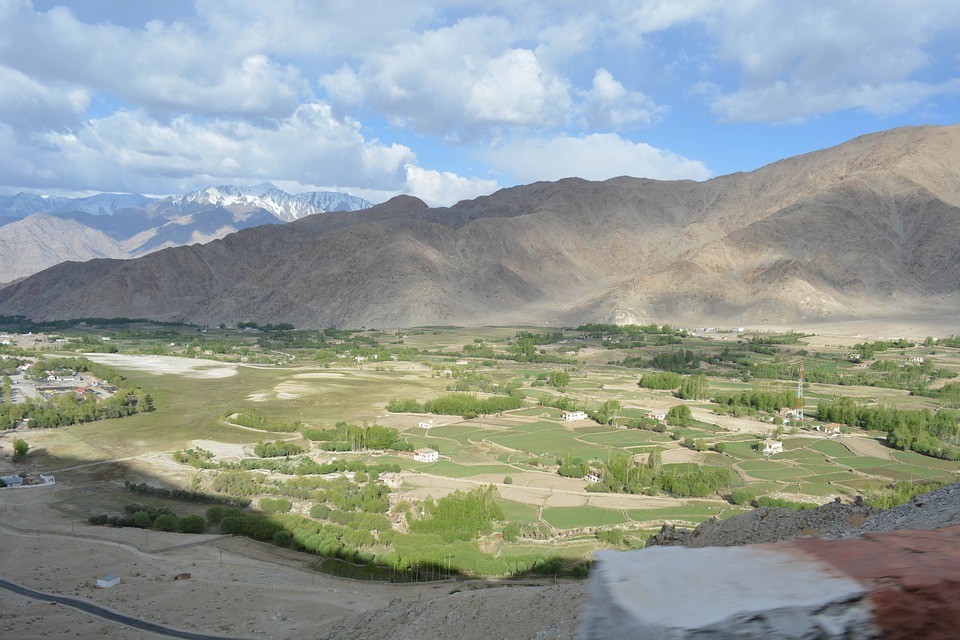
The long-running dispute between India and China over the Himalayan border could potentially escalate into world war 3 due to the countries that may get involved. Following the altercations that happened months prior, China has now stepped up its military forces at the border even more by deploying missile launchers.
Another skirmish between Indian and Chinese troops occurred again last week, according to India’s military. The assaults left several troops injured, adding to the casualties that both sides received at the highly-contested border. Now, according to Kanwa Defense Review editor Andrei Chang, China has now ramped up its efforts to exert its presence at the border as Beijing has deployed ballistic missile launchers. Chang added that China moved 16 DF-26 IRBM launchers to the eastern Shandong province, within the range of Japan.
Chang noted that these Intermediate-Range Ballistic Missile launchers were deployed to Korla in the western Xinjiang region.
This was soon confirmed by the Federation of American Scientists who obtained satellite images. The group has since said it was the first time the weapons were based in the area. These DF-26 launchers were previously tested at the South China Sea last year and have the capability of launching a nuclear or a regular missile up to 5,000 kilometers.
However, the situation may continue to worsen as even the slightest misstep may trigger an all-out conflict between the two nations, according to defense expert Shashank Joshi. Speaking to BBC News, Joshi also commented on the chances of this conflict escalating in recent days.
“There is and I think for a long time that fear was suppressed the seriousness because the two sides had agreed to lots of things to ease tensions. For example, they agreed soldiers on patrol would not use their weapons,” explained Joshi. “They wouldn’t fire their weapons under any circumstances. They agreed that if a patrol came across another patrol in a disputed area, they would make their statements but then they would go their separate way. You’ve built up these diplomatic agreements to lower the temperature.”
Joshi noted that 2020 also brought to light the tensions between China and India in other aspects such as trade and ideology.







