


 SpaceX Prioritizes Moon Mission Before Mars as Starship Development Accelerates
  Nvidia Confirms Major OpenAI Investment Amid AI Funding Race
  Elon Musk’s SpaceX Acquires xAI in Historic Deal Uniting Space and Artificial Intelligence
  Sony Q3 Profit Jumps on Gaming and Image Sensors, Full-Year Outlook Raised
  AMD Shares Slide Despite Earnings Beat as Cautious Revenue Outlook Weighs on Stock
  SpaceX Pushes for Early Stock Index Inclusion Ahead of Potential Record-Breaking IPO
  Nvidia CEO Jensen Huang Says AI Investment Boom Is Just Beginning as NVDA Shares Surge
  SoftBank Shares Slide After Arm Earnings Miss Fuels Tech Stock Sell-Off
  Anthropic Eyes $350 Billion Valuation as AI Funding and Share Sale Accelerate
  Nvidia Nears $20 Billion OpenAI Investment as AI Funding Race Intensifies
  Amazon Stock Rebounds After Earnings as $200B Capex Plan Sparks AI Spending Debate
  SpaceX Pivots Toward Moon City as Musk Reframes Long-Term Space Vision
  Taiwan Says Moving 40% of Semiconductor Production to the U.S. Is Impossible
  Instagram Outage Disrupts Thousands of U.S. Users
  OpenAI Expands Enterprise AI Strategy With Major Hiring Push Ahead of New Business Offering
  SoftBank and Intel Partner to Develop Next-Generation Memory Chips for AI Data Centers


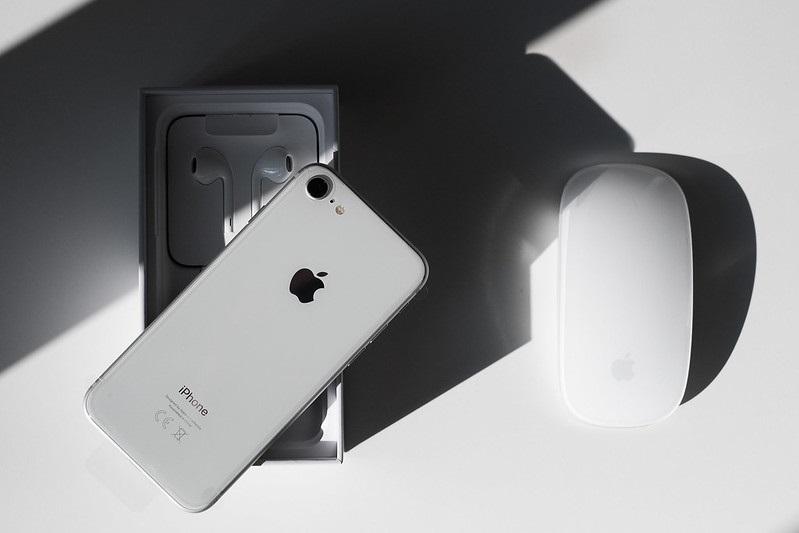
More clues appear online suggesting that the launch of the iPhone 9 (could also be called iPhone SE 2020) is right around the corner. More recently, the delivery date of the iPhone 8 was spotted to be delayed suggesting that it could be to prioritize a new product.
iPhone 9 release date set for April?
Since 2019 until earlier this year, the widely rumored device has been expected to be launched in March. Apple usually holds a spring product launch event in that month, but insider reports claim it was ultimately canceled due to the rising cases of coronavirus infections in the United States.
Reports now have it that Apple has decided to launch the iPhone 9 within April. Tech analyst and well-known leaker Jon Prosser has sources claiming that the device would be officially announced, specifically, on April 15. Of course, everyone would be advised to take it with a grain of salt but it should also be noted that Prosser has a good track record with these mobile leaks.
iPhone 9 update ????
— Jon Prosser (@jon_prosser) March 31, 2020
Per an internal meeting yesterday, Apple is now preparing for an April release.
Tentative dates:
- Announcement on April 15
- Shipments on April 22
Keep in mind: we’re in the middle of a pandemic, and things could change.
Fingers crossed ???? pic.twitter.com/egz8UWXd9F
This week, Prosser also pointed out that the iPhone 8 delivery dates are curiously delayed compared to the iPhone 8 Plus. Since the iPhone 8 is practically the device to be replaced by the iPhone 9, delaying the former’s deliveries could only mean Apple would be prioritizing the launch of a new product soon. This theory sounds more plausible since the iPhone 8 Plus is promised to be delivered a few days earlier than the smaller device in the series.
iPhone 9 specs rumors: What to expect
While the iPhone 9 is expected to look very similar to the iPhone 8, what it has inside will be different. The upcoming device is expected to sport the A13 Bionic or the same processor found on the iPhone 11 series.
Meanwhile, the anticipated form factor also says plenty about the smartphone’s design and features. For one, this means the device would bring back the physical home button and it would rely on the Touch ID for its security feature. Face ID is unlikely for the iPhone 9 since the sensors it requires would immediately bring up its price tag.
iPhone 9 or iPhone SE 2020: What is it going to be called?
Aside from the release date, the device’s official name is still being debated online. Many think that the mere decision to use the iPhone form factor should be enough reason to call it iPhone 9. For a while, the device has also been referred to as the iPhone SE 2. Now, another suggestion emerged that it could be simply called iPhone SE with the “2020” quantifier.
Featured photo by Karlis Dambrans licensed under Creative Commons













