


 Global Central Banks Brace for More Rate Hikes as Inflation Risks Rise
  White House Weighs Refined Copper Tariffs as Cost Concerns Grow
  Dollar Rises as Fed Hike Bets Weigh on Asian Currencies
  Asian Stocks Fall as AI Fears and Oil Surge Hit Markets
  Hormuz Shipping Slows as Iran Threats Lift Oil Risks
  Gold Prices Steady as Hot PPI Boosts Fed Rate Hike Bets
  Asian Tech Stocks Slide as AI Concerns and Rising Bond Yields Hit Chipmakers
  ECB Rate Hike in Focus as Oil Tops $100
  Gold Surges Past $4400 on Crude Oil Rally; Bullish Trend Dominates


 Add as a preferred source on Google
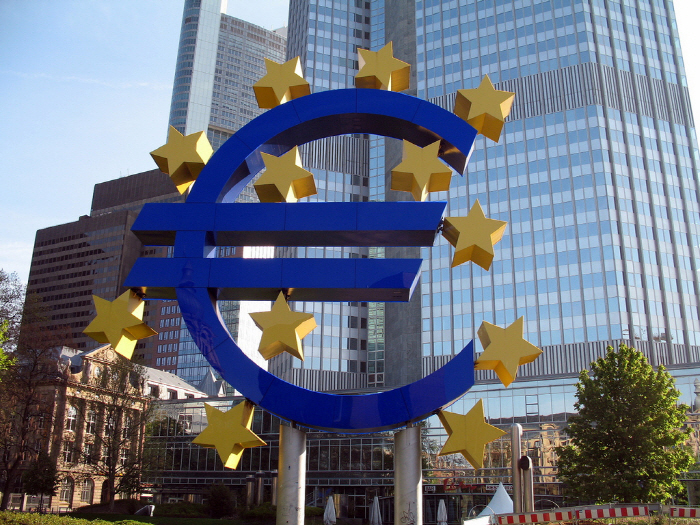

Last week the European Central Bank opted to leave interest rates on hold, amid financial market volatility that has fuelled further concern about eurozone growth prospects.
But Professor emeritus at UNSW Australia, Robert Marks argues the seeds of the current eurozone woes were first sown as far back as three decades ago.
Drawing from a timeline he has been keeping for seven years, Prof Marks nominates 15 important events - including some very current ones - that chart the journey of the eurozone.

Robert Marks does not work for, consult, own shares in or receive funding from any company or organization that would benefit from this article, and has disclosed no relevant affiliations beyond the academic appointment above.
Robert Marks, Professor emeritus, UNSW Australia
This article was originally published on The Conversation. Read the original article.







