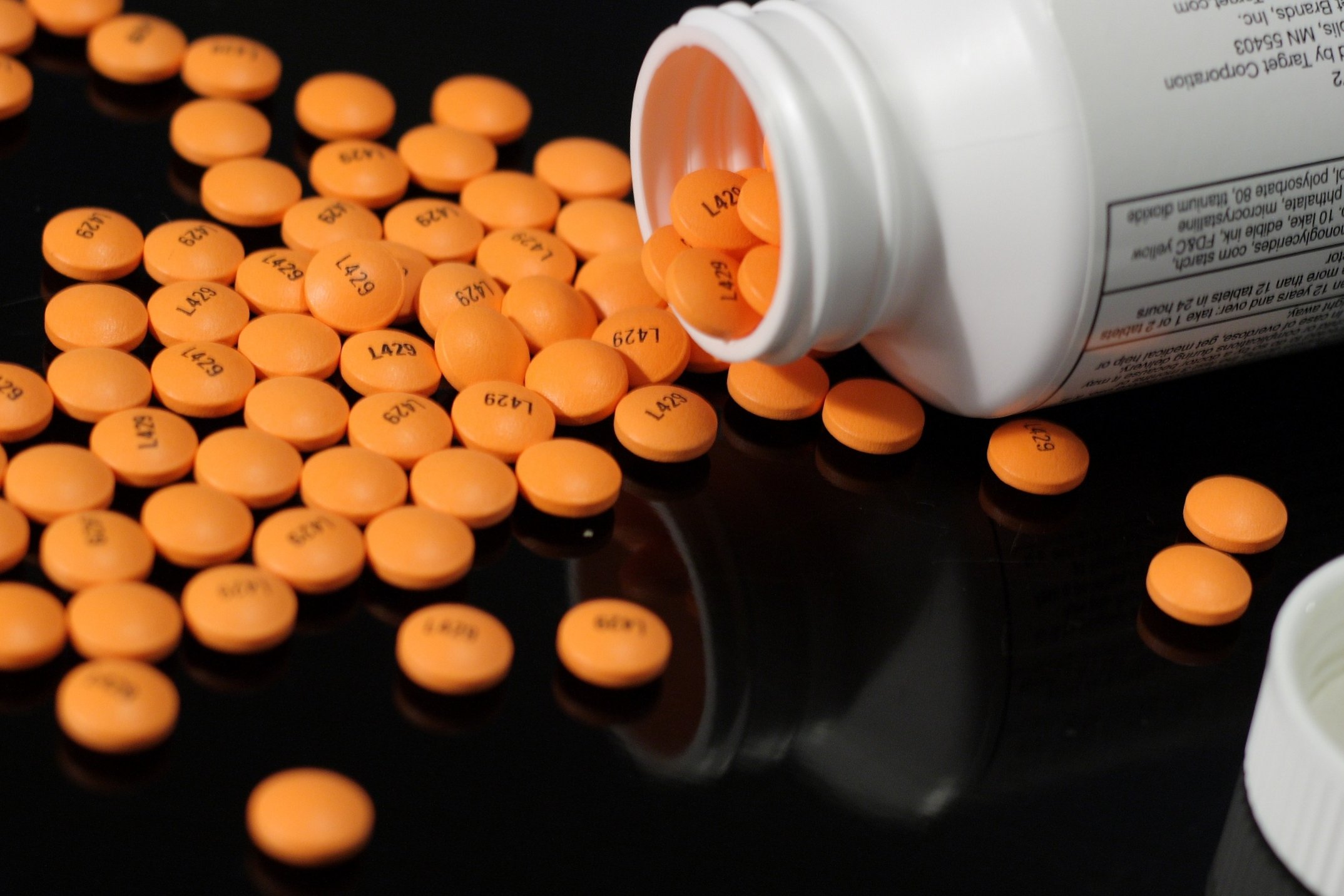
As people age, many parts of the body begin to diminish in health. One such organ is the brain, but the good news is that there are supplements that can be taken as early as now to reduce the risk of neurological disease.
Over time, people tend to experience changes in their brain health, from poor memory to declining cognitive functions. The volume of the brain starts to shrink at a person’s 30s or 40s, and the rate increases when a person reaches their 60s. But thanks to the technologies and studies today, a few supplements can help in reducing the risk.
First off, creatine is one kind of supplement taken. Creatine is usually known for boosting performance in workouts, but it also helps the brain and protects it from neurological diseases. This is an amino acid that is mainly found in animal flesh, in skeletal muscle flesh to be exact. So, like the muscles in the body, the brain also has a store of phosphocreatine and needs a lot of ATP which is a high-energy molecule, to perform at its best.
As the name already implies, Vitamin B supplements also help in improving brain function. Vitamin B12 to be exact is known to be the best vitamin for brain health. Studies have shown that the amount of vitamin B12 a person has in their body is directly related to their brain health. A person lacking in vitamin B12 would have poor brain health.
This is because both the vitamin B12 and the brain have is homocysteine, and high levels of the latter can result in poor brain health. Vitamin B12 helps combat that, among other functions including the blood-brain barrier.
Another supplement is vitamin E. Vitamin E is known as an antioxidant vitamin, but it also helps with improving brain health as well. Much like the studies conducted for vitamin B12 and the brain, the same is true with vitamin E. This vitamin is also known to protect the brain function like creatine.
Lastly, vitamin C also is known as ascorbic acid. While it is mostly known for helping the immune system, it is also an antioxidant like vitamin E and also helps in improving brain health. According to recent studies, vitamin C acts as a redox homeostatic factor in the central nervous system. This has also been proven among the elderly, as a deficiency in vitamin C is common and resulting in negative effects in their cognitive functions.