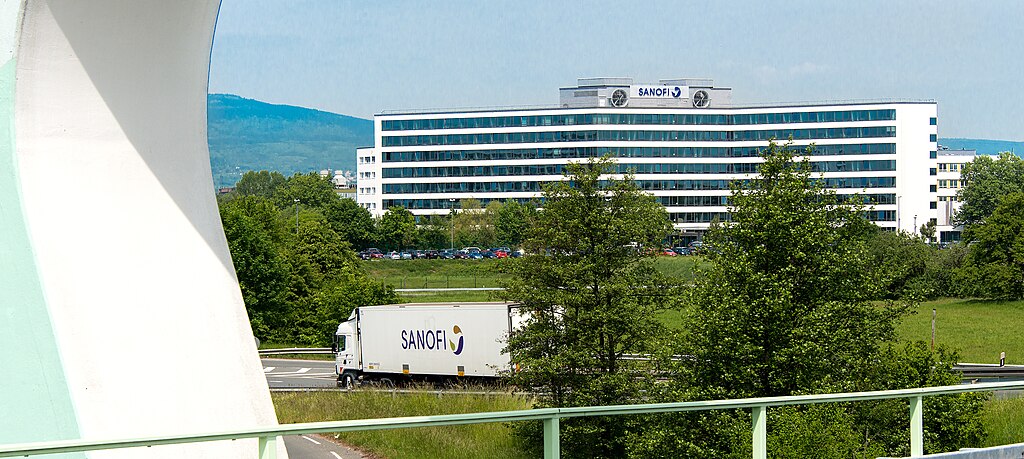
Sanofi has announced an agreement to acquire U.S.-based vaccines company Dynavax Technologies in an all-cash transaction valued at approximately $2.2 billion, marking another strategic move to expand its vaccines business. Under the terms of the deal, Sanofi will pay $15.50 per share, representing a significant premium that drove Dynavax shares up nearly 38% in premarket trading.
The acquisition will be completed through a cash tender offer followed by a squeeze-out merger and is expected to close in the first quarter of 2026, pending regulatory approvals. Sanofi confirmed that the transaction will be funded using existing cash resources and will not impact its financial guidance for 2025, underscoring the company’s strong balance sheet and disciplined capital allocation strategy.
Dynavax’s key asset is HEPLISAV-B, a marketed adult hepatitis B vaccine that requires only two doses over one month, compared with the traditional three-dose regimen over six months used by competing vaccines. This shorter schedule may improve vaccination completion rates, particularly in adult immunization programs. Sanofi highlighted that nearly 100 million adults in the United States born before 1991 remain unvaccinated against hepatitis B, pointing to a sizable market opportunity.
In addition to HEPLISAV-B, the acquisition includes Z-1018, a shingles vaccine candidate currently in phase 1/2 clinical development, along with several early-stage vaccine programs. These assets are expected to strengthen Sanofi’s presence in adult immunization and complement its existing vaccines portfolio.
The deal comes amid heightened investor attention on Sanofi’s research and development pipeline following recent regulatory and clinical setbacks in its multiple sclerosis program, including a Complete Response Letter from the U.S. Food and Drug Administration for tolebrutinib. Sanofi emphasized that the Dynavax acquisition is independent of its multiple sclerosis development efforts.
Analysts at Jefferies described the transaction as a bolt-on acquisition consistent with Sanofi’s long-term strategy, noting that the valuation aligns with expectations and does not change the company’s near-term financial outlook. They also stated there is no negative read-across from Sanofi’s multiple sclerosis challenges to its vaccines business or other pipeline assets.