


 Bangladesh GDP Growth Accelerates to 4.6% on Industrial Rebound
  Gold Prices Fall Amid Rate Jitters; Copper Steady as China Stimulus Eyed
  US Treasury Yields Ease After Strong 10-Year Auction as Global Bonds Struggle
  Oil Prices Slip as Trump Rules Out Iran Strike Before Midterms
  RBI Raises Repo Rate to 5.50% in Hawkish Shift on Inflation Risks
  France to Release 10 Million Barrels of Diesel to Ease Fuel Prices
  Wall Street Falls as Oil Prices Rise and Tech Stocks Slide
  Gold Prices Rise as Dollar Weakens, Treasury Yields Fall
  Iran Refuses to Halt Uranium Enrichment Amid US Nuclear Demands
  Dollar Near 18-Month High as Euro, Yen and Pound Weaken


 Add as a preferred source on Google
The 3Q GDP (preliminary) is due for release next Monday. It is estimated that growth has contracted 0.8% (QoQ saar), better than the -1.2% recorded in 2Q, but worse than the consensus forecast of -0.3%. This will confirm the Japanese economy has slipped into a technical recession - two consecutive quarters of negative growth on the sequential basis.
Falling demand from emerging markets, as a result of China's slowdown and sentiment deterioration caused by Fed tightening concerns, has weighed on Japan's manufacturing industry. Net exports and investment should be the twin drags to 3Q GDP.
Thankfully, some of the leading indicators suggest that manufacturing activities will bounce back in 4Q (e.g., production forecast index, PMI). Exports of electronic machinery have showed tentative signs of a pickup, helped by seasonal demand and new product release.
Moreover, the repercussion impact of external slowdown on the domestic economy has been muted. Employment / wage growth and household inflation expectations have remained broadly stable, while consumer spending has continued to recover gradually. Consumption should have acted as a key driver (and probably the sole driver) for GDP growth in 3Q.
The Bank of Japan focuses more on the underlying growth / price trends than the short-term data volatility. Notwithstanding temporary weakness in GDP figures, the BOJ would likely downplay the recession concerns and keep policy unchanged at the meeting next week.

- News

- Economy

- Central Banks
- Investing
- Research
- Roundups
- Digital Currency
- Insights
- Technical Analysis
- Technology
- Business
- Law
- Health
- Nature
- Fintech
- Science
- Topic
- Opinions
- ©Econometrics LLC . All Rights Reserved.
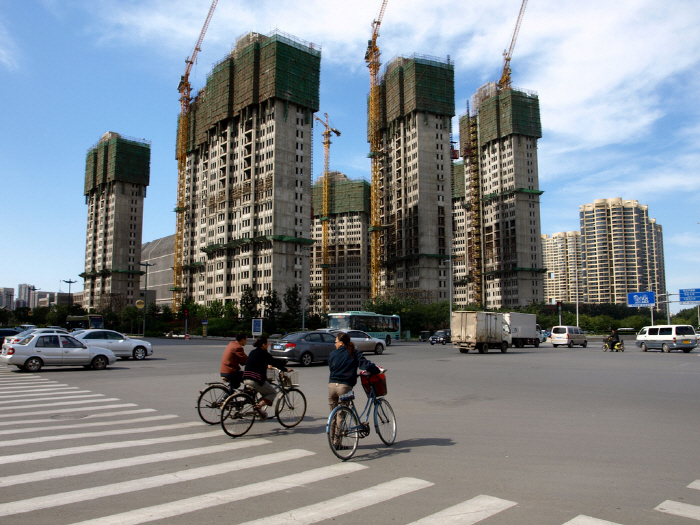
A technical recession underway in China
Thursday, November 12, 2015 2:35 AM UTC
Editor's Picks



- Market Data
Most Popular




