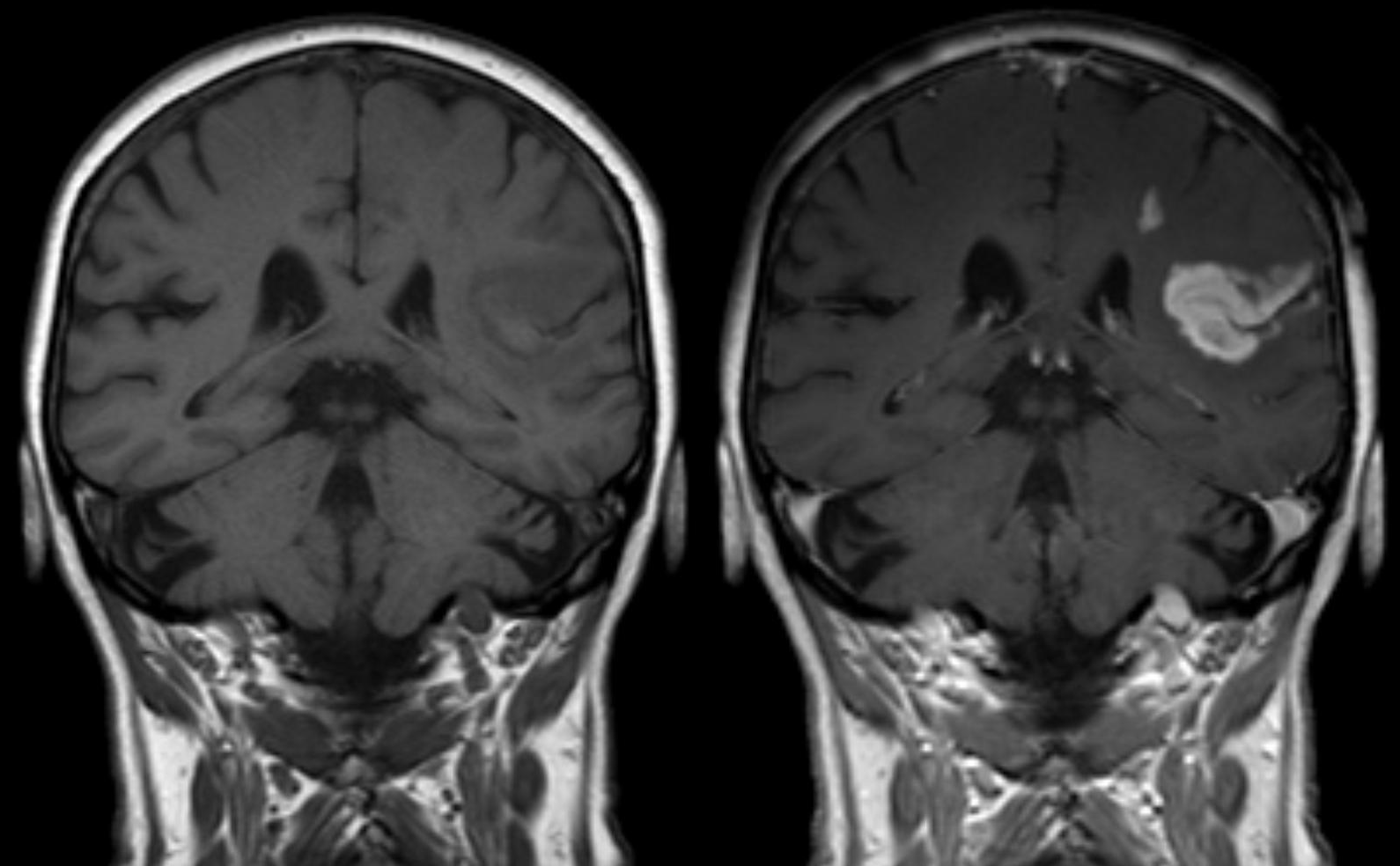
Diagnosis is one of the most important parts of medicine since doctors can hardly do anything to cure a patient if they don’t know what the illness is. When it comes to tumors, the process is lengthy and complicated, increasing the chances of death. With the help of artificial intelligence, doctors can now cut the time needed for diagnosing tissue by 90 percent with considerable accuracy.
Normally, diagnosing something like a brain tumor takes about 30 to 40 minutes, during which, doctors would need to leave the operation room in order to put the samples through the rigorous process for analysis, Futurism reports. With the help of advanced AI, however, this time can be cut down to a measly 3 to 4 minutes.
More than that, doctors won’t even need to leave the room in order to get the results that they need. With the reduced diagnosis time and exposure to contaminants, there is a much higher chance of success.
The use of AI for diagnosing brain tumors is the basis of a study by University of Michigan Medical School and Harvard University researchers. According to the paper that they published, the method that they have developed will advance diagnosis science by increasing efficiency and reduce the burden on the doctors themselves.
“Conventional methods for intraoperative histopathologic diagnosis are labour- and time-intensive, and may delay decision-making during brain-tumour surgery,” the paper reads. “Stimulated Raman scattering (SRS) microscopy, a label-free optical process, has been shown to rapidly detect brain-tumour infiltration in fresh, unprocessed human tissues.”
The study used about 370 patients so far, with short-term goals sitting at 500. According to the results, the AI can analyze tissue samples at 90 percent accuracy. Through deep-learning, the researchers are planning to improve this rate so that it would stand at about 95 percent or higher.