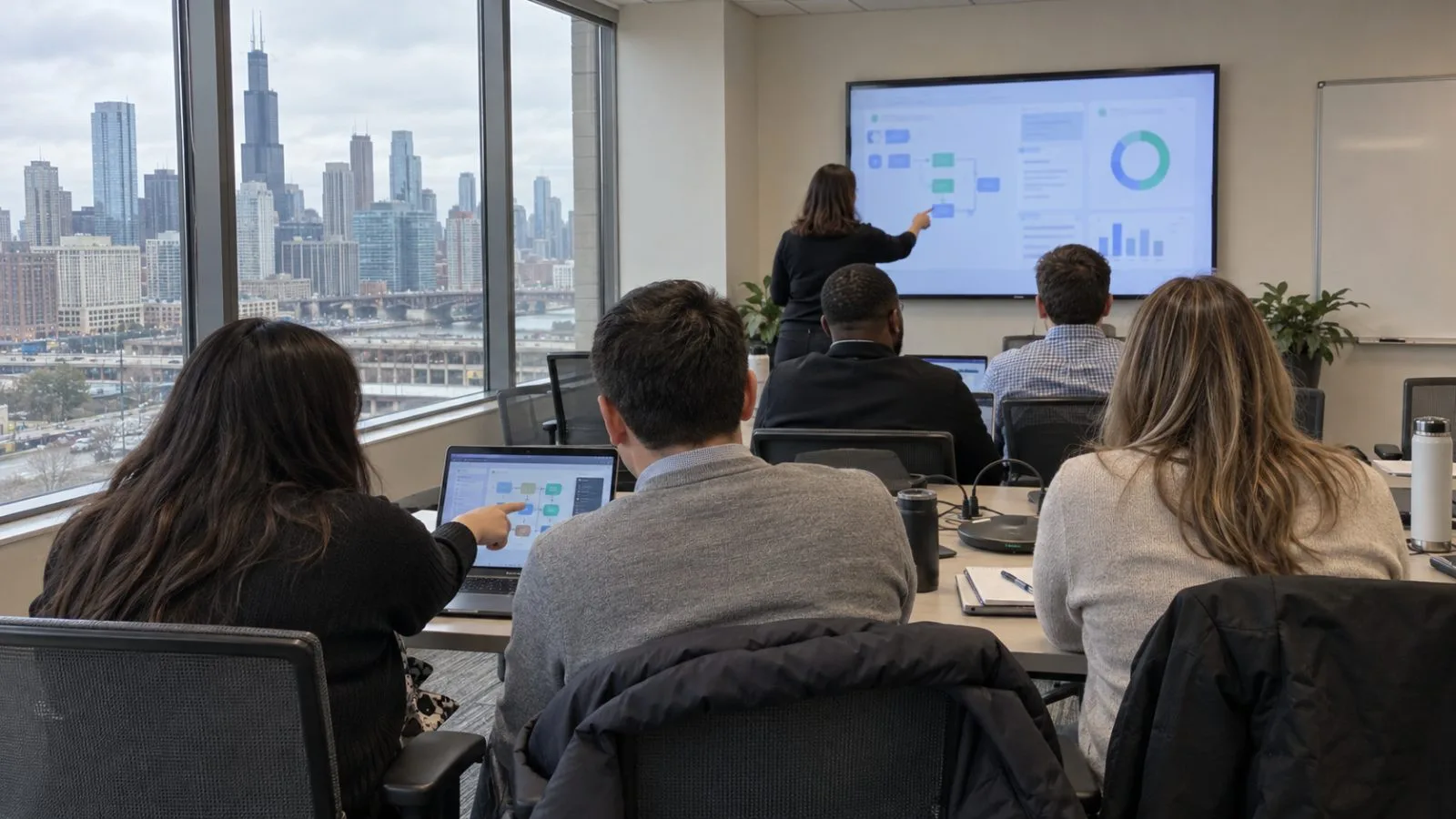
Artificial intelligence isn’t triggering a job apocalypse but rather transforming the labor market, according to Yardeni Research. The firm emphasized that while overall employment remains solid, entry-level hiring is slowing as AI automates more routine tasks.
Ed Yardeni, President and Chief Investment Strategist at Yardeni Research, noted that nearly three years after ChatGPT’s release, there’s been “no discernible disruption of the broader labor market.” However, early-career professionals appear to be feeling the shift. Data from the New York Federal Reserve revealed that unemployment among recent U.S. college graduates climbed to 4.8% in June, the highest since 2021, suggesting AI’s growing impact on entry-level opportunities.
Despite this, Yardeni highlighted findings from PwC’s 2025 AI Jobs Barometer showing that AI enhances expertise rather than replaces it. Experienced professionals, who can better assess and refine AI-generated insights, are seeing productivity gains. “Experts outperform novices with AI because they’re better at evaluating the accuracy of the information AI delivers,” the firm stated.
The shift is not uniform across industries. Yardeni observed, “Programmers out, electricians in,” signaling that sectors such as healthcare, construction, and utilities are experiencing stronger hiring trends. Supporting this, the International Energy Agency projects global data-center power consumption to double by 2030, fueling demand for skilled labor in construction, electrical work, and utilities—the foundational infrastructure of the digital economy.
Ultimately, Yardeni concluded that AI is driving productivity while flattening payrolls, signaling a long-term “rewiring” of the workforce rather than widespread job losses. The future of work, the firm suggests, will depend on adapting skills to complement, not compete with, artificial intelligence.