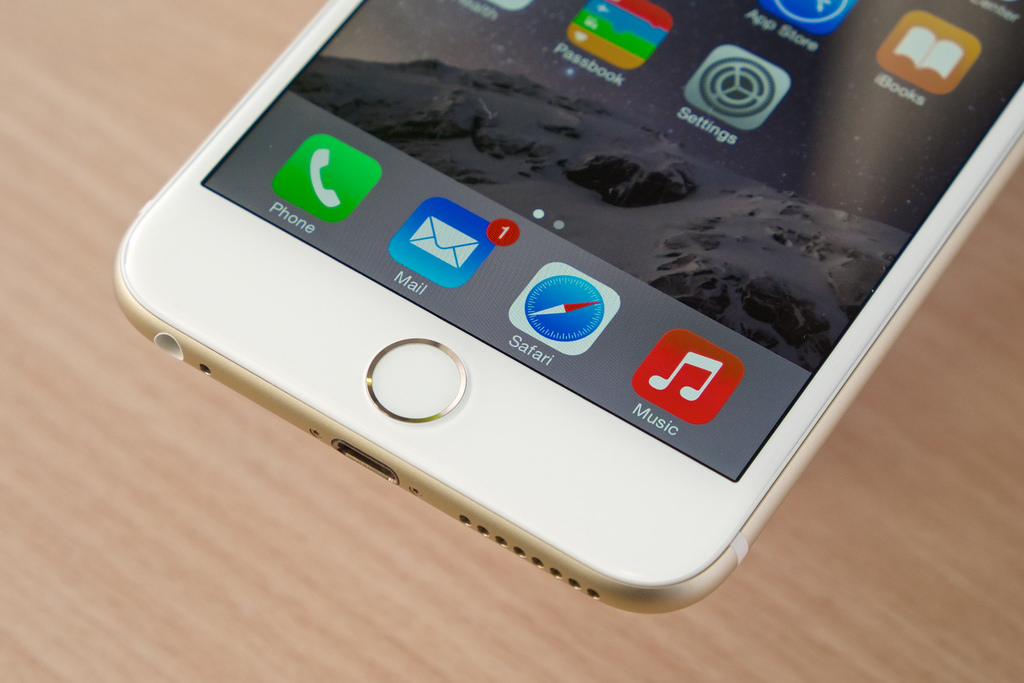
Web browser Safari is currently under fire from advertising companies for its decision to protect its users from being tracked when surfing the internet. This is a matter that has been a hot-button issue for everyone involved, with tech firms usually siding with marketers in taking advantage of users. Now that a huge internet browser is finally taking a stand, ad companies are lashing out with a vengeance.
The new user-protection feature isn’t out yet. It will be coming with the Safari 11 update and the feature will be named Intelligent Tracking Prevention, CNET reports. As the name suggests, it basically stops outside entities from tracking what users do on the internet, which is why it’s no surprise that advertisers are absolutely livid over this development.
Several marketers actually banded together to send a letter to Apple, chastising the company for daring to put the needs of its users above that of corporations. Six ad groups are basically trying to convince the iPhone maker that it should change its mind lest the feature do great harm to the internet.
“The infrastructure of the modern internet depends on consistent and generally applicable standards for cookies, so digital companies can innovate to build content, services, and advertising that are personalized for users and remember their visits,” the letter reads. “Apple's Safari move breaks those standards and replaces them with an amorphous set of shifting rules that will hurt the user experience and sabotage the economic model for the internet.”
The gist of the advertising companies’ argument is that if they can no longer personalize ads, services like Facebook and YouTube are going to be in a lot of trouble. As Ad Week notes, Safari isn’t the first browser to impose user protection services since Google has been testing a new kind of ad blocker on Chrome. Then again, the Apple browser is likely the only one that’s actually capable of pissing off advertisers without any real consequences to it.