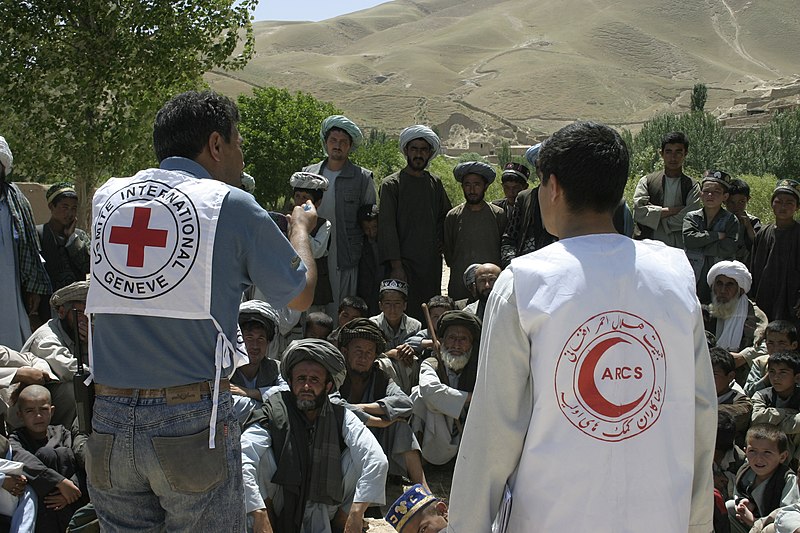
The Taliban administration in Afghanistan has once again faced backlash following its most recent policies restricting women from participating in aid work and attending universities. Some aid organizations have resumed their operations in the country, including its female employees.
Several aid groups have resumed some operations in Afghanistan following the group’s decree last month that ordered aid groups to bar its female employees from returning to work. The International Rescue Committee, CARE, and Save the Children announced this week that they would be resuming some of their programs, mainly in health and nutrition, with their female workers also returning to work.
The groups received assurances from the insurgent group that women could work in certain aid programs, such as health, despite last month’s ban.
“Last week, the Ministry for Public Health offered assurances that female health staff and those working in office support roles can resume working. Based on this clarity, IRC has restarted health and nutrition services through our static and mobile health teams in four provinces,” said IRC spokesperson Nancy Dent.
Save the Children also said it received assurances from the Taliban authorities as it announced its resumption of health, nutrition, and some education programs allowing women to return to work. The group noted that its female employees were allowed to return but cautioned that more work needs to be done.
Many NGOs were prompted to suspend their operations as a result of the ban on female aid workers, saying that female workers were needed to expand their outreach across the country.
Meanwhile, the Qatari foreign minister said that despite the Taliban’s “disappointing” actions, Doha would continue engaging with the insurgent group in order to see progress. Foreign minister Sheikh Mohammed bin Abdulrahman Al-Thani said Doha was also consulting with other predominantly Muslim countries in order to establish a dialogue with Taliban officials in Afghanistan’s Kandahar province.
Al-Thani stressed the importance of persisting in engaging with the insurgent group despite the difficulty of the situation.
The Taliban has introduced increasingly restrictive policies against women since retaking control of Afghanistan in 2021. The international community has since called on the insurgent group to reverse the ban on women aid workers following December’s order.