


 Pentagon Launches Autonomous Warfare Command
  US Officials See China Taiwan Invasion Before 2028 as Less Likely
  Marco Rubio to Visit Iceland, Greece and Portugal
  US Waives $320M Egypt Military Aid Conditions After Iran War Role
  Netanyahu Vows Probe Into Foiled Flydubai Crash Attempt
  Israel Tightens Pilot Security After Flydubai Incident
  US Appeals Court Keeps Trump IRS Case Sanctions in Place
  US Alcohol Ban Exposes Canada’s Internal Trade Barriers
  South Korea Warns Ukraine Over North Korean POW Dispute
  Brazil Presidential Debate Canceled as Lula, Bolsonaro Skip Event
  US Waives Egypt Military Aid Conditions Over Iran War Role
  TRUMP Memecoin Launches New Dinner Contest
  Wicker Urges US to Uphold Taiwan Security Commitments
  Putin Says Western Firms Could Regain Russian Assets
  Iran Plans Stronger Response if US Attacks Resume
  Trump Says He Raised Political Prisoners With Xi
  Lula Leads Flavio Bolsonaro 48%-45% in Datafolha Poll


 Add as a preferred source on Google
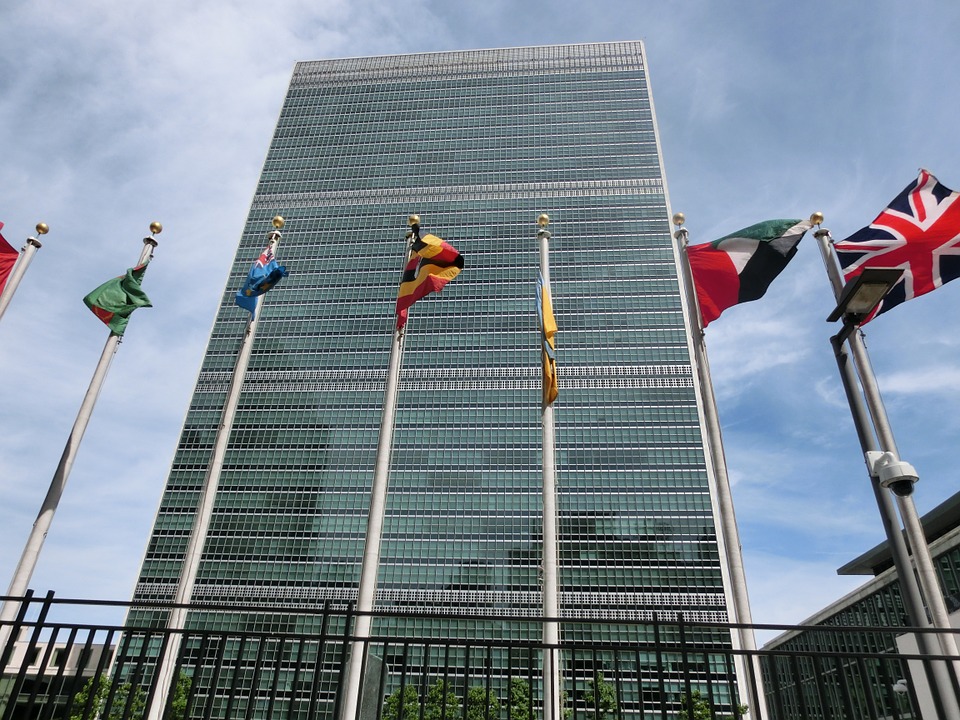
Organizations have called for $4.4 billion in humanitarian aid for Afghanistan as the country faces a worsening humanitarian crisis. A summit for Afghanistan will be held in the United Nations in March, co-hosted by the United Kingdom.
Reuters reports that the UK is set to co-host the upcoming Afghanistan Summit with the UN in March in order to address and solve the humanitarian crisis plaguing Afghanistan since the Taliban’s takeover in August last year. The virtual conference will also help the UN to raise $4.4 billion in aid, the largest amount ever requested for one country.
Most of the foreign aid to Afghanistan was halted when the Taliban took over the country as the western-backed government collapsed and the US and NATO forces withdrew. The UN has estimated that 98 percent of Afghans are not eating enough, and Afghanistan’s hospitals and schools are unable to afford to pay its staff.
“The scale of need is unparalleled and consequences of inaction will be devastating,” said UK Foreign Secretary Liz Truss in a statement. “The UK is determined to lead the global effort. We will bring international allies together to raise vital aid to deliver food, shelter, health services, protect women and girls, and support stability in the region.”
The upcoming conference also comes as the international community tries to address the need to help Afghans without it benefiting the insurgent group. The Taliban has not been recognized as Afghanistan’s new government as well.
While the insurgent group has promised to form a more inclusive government, reports of detainments, killings, and restrictive policies against women seem to undermine the group’s pledges. Recent reports from the Pentagon and the intelligence community in the US have revealed signs that extremist militant groups like Islamic State and al Qaeda are not ready to use Afghanistan as a launchpad to make attacks against the West for the meantime.
The assessments follow concerns from officials in Washington that because there are no longer any western military forces in the country, extremist groups may try and put up bases in Afghanistan.
This part of a released report by the Pentagon’s Inspector General looking into possible threats that may come from Afghanistan.







