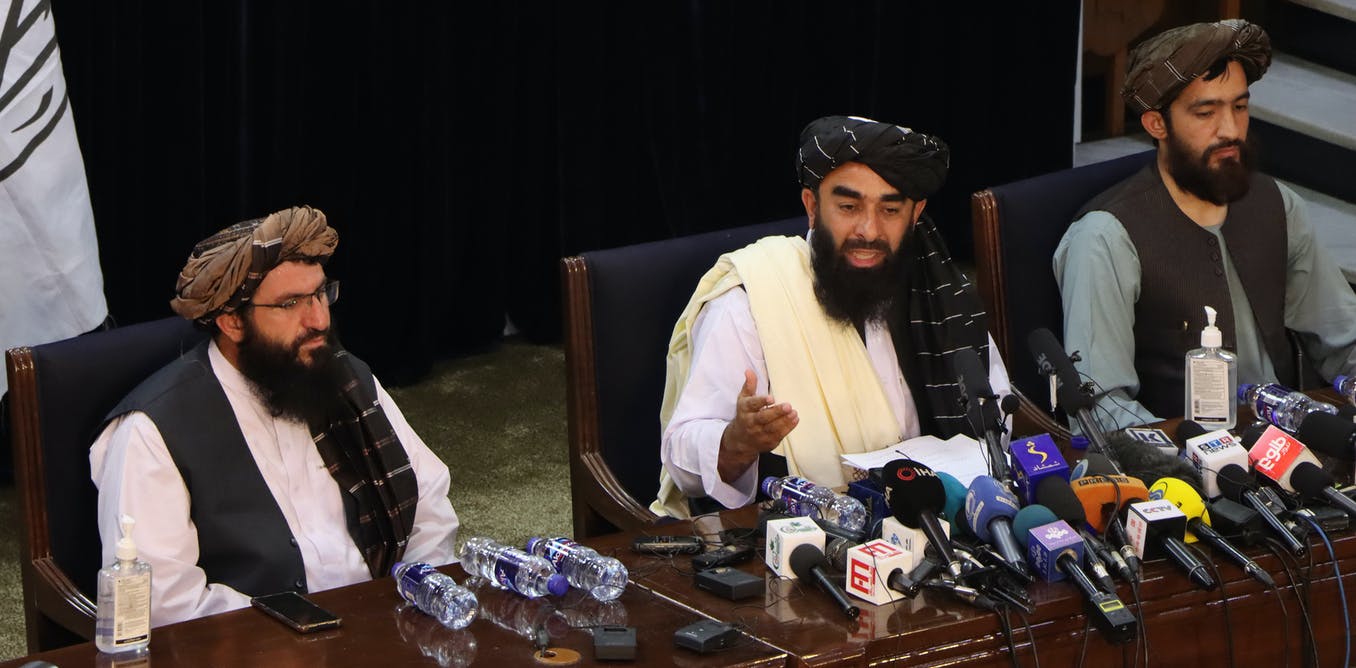
Afghanistan and Pakistan have agreed to an immediate ceasefire following intense border clashes that left dozens dead and hundreds injured, Qatar’s foreign ministry announced early Sunday. The agreement was reached during peace negotiations in Doha, mediated by Qatar and Turkey, as both South Asian neighbors sought to ease escalating tensions along their 2,600-km border.
The two countries also committed to holding follow-up meetings in the coming days to ensure the ceasefire’s sustainability and reliable implementation. The Doha talks marked the most serious attempt to de-escalate hostilities since the Taliban took power in Kabul in 2021.
Afghan government spokesperson Zabihullah Mujahid confirmed that Defence Minister Mullah Muhammad Yaqoob led the Kabul delegation, while Pakistan’s Defence Minister Khawaja Muhammad Asif represented Islamabad. Pakistan’s foreign office said discussions focused on ending cross-border terrorism and restoring peace along the volatile frontier.
Tensions surged after Pakistan accused Afghanistan of harboring militants responsible for increasing attacks inside Pakistan. The Taliban denied the allegations, accusing Islamabad of spreading misinformation and sheltering Islamic State-linked militants to destabilize Afghanistan.
The conflict intensified when a suicide attack near the border on Friday killed seven Pakistani soldiers. Pakistan’s Army Chief, Field Marshal Asim Munir, urged Kabul to stop militants using Afghan soil for attacks.
Despite the ceasefire extension on Friday, Kabul accused Pakistan of conducting fresh airstrikes on civilians in Afghanistan’s Paktika province. In response, Afghanistan withdrew from a planned Twenty20 cricket tri-series in Pakistan, citing the deaths of three cricketers in the strikes.
Pakistan’s Information Minister Attaullah Tarar rejected claims of civilian casualties, asserting that the strikes targeted verified militant camps. He added that over 100 militants were killed in operations, though Reuters could not independently confirm the figures.