


 Elon Musk Donates $366 Million to 2026 US Midterms
  What is Zionism? The different meanings of a contested term
  Apple Supplier Luxshare Faces US Patent Probe, Sees Limited Impact
  Syndax Stock Drops 15% After Axatilimab Trial Failure
  The pandemic is still disrupting young people’s careers
  Yes, government influences wages – but not just in the way you might think
  Debate over H-1B visas shines spotlight on US tech worker shortages
  The American mass exodus to Canada amid Trump 2.0 has yet to materialize
  Heritage, desire and diplomacy: why China still values scotch whisky
  Nasdaq Faces Pullback to 26,225 Despite Bullish Outlook, UBS Says
  AI is driving down the price of knowledge – universities have to rethink what they offer
  Meta Launches Muse Wonder AI Models, Shares Rise 3.7%
  Office design isn’t keeping up with post-COVID work styles - here’s what workers really want
  Why have so few atrocities ever been recognised as genocide?
  ‘Buy now, pay later’ doesn’t feel like debt. For young people, that can be a big problem
  Albertsons Seeks $9.3 Billion From Kroger Over Failed Merger
  Samsung, SK Hynix Shares Fall as China's CXMT Advances DRAM Technology


 Add as a preferred source on Google
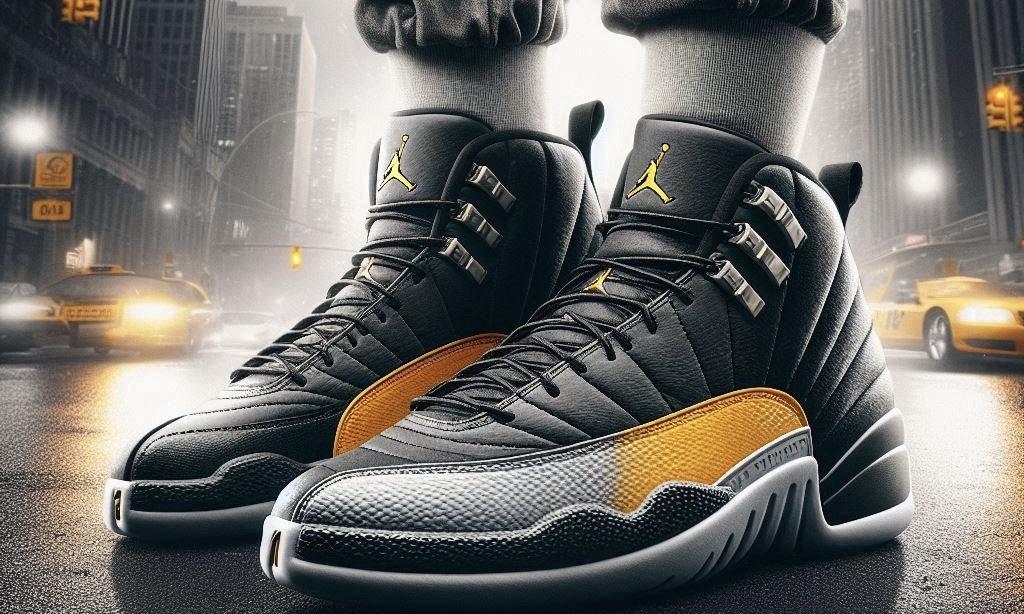
The Air Jordan 12 “Taxi” is set to return in 2025, marking its first re-release since 2018. This classic colorway joins the Air Jordan 4 “Black Cat,” which is also making a comeback in late 2025, creating major anticipation among sneaker fans.
Iconic Air Jordan 12 ‘Taxi’ Set to Return in 2025 with True-to-Original Design
Another iconic Air Jordan Retro line release is set to join the 2025 lineup. Jordan Brand is preparing to reintroduce the Air Jordan 12 “Taxi” next year, marking its first return since 2018, per Sneaker News.
Initially worn by Michael Jordan during the 1996-1997 season and the beginning of his final year with the Chicago Bulls, this classic Air Jordan 12 colorway earned the nickname “Taxi” due to the subtle yellow accents featured throughout the design. These yellow details are on the carbon fiber plate embedded in the outsole, fore-foot traction pad accent, and heel tabs. The shoe's overall design is a white leather upper with monotone stitching against a black reptile-textured mudguard.
The 2025 Air Jordan 12 “Taxi” is expected to launch in the Fall/Holiday 2024 season, with the release staying true to the original design specifications. The MSRP is anticipated to be $215.
The Air Jordan 12 “Taxi” is widely regarded as one of the most popular colorways in the AJ12 series. Initially designed by Tinker Hatfield, the Jordan 12s drew inspiration from fashionable wing-tip shoes and the Rising Sun motif in Japanese iconography.
This colorway has been released several times, debuting in late 1996 and reappearing in 2008 as part of the Air Jordan 11/12 Countdown Package. The only other solo release occurred in 2018, with an MSRP of $190.
Air Jordan 4 ‘Black Cat’ to Make a Triumphant Return in Late 2025 with Updated Design
The enthusiasm surrounding the “Black Cat” will reach its peak in late 2025 with the return of the Air Jordan 4 “Black Cat.” Consistent with its all-black colorway, this release will feature an updated shape intended to more closely reflect the original silhouette of the Air Jordan 4 from 1989.
Reliable sources, including @zsneakerheadz, Sneaker Files, and @sneakermarketro, have confirmed that the Black Cat Jordan 4 will be part of an already extensive lineup of Air Jordan releases slated for next year. 2025 marks a significant milestone, celebrating the 40th anniversary of Michael Jordan's partnership with Nike, Inc.
The Black Cat 4s originally debuted in 2006 and made a celebrated return in 2020. Currently, these pairs command up to $1,000 on the secondary market, further cementing the Air Jordan 4 “Black Cat” as one of the most anticipated sneaker releases of the year.
While the shoes are expected to drop in late 2025, specific release details and the product SKU remain unknown. However, the official color specifications are listed as Black/Black-Light-Graphite, with an expected MSRP of $215. More details are likely to emerge as the release date approaches.







