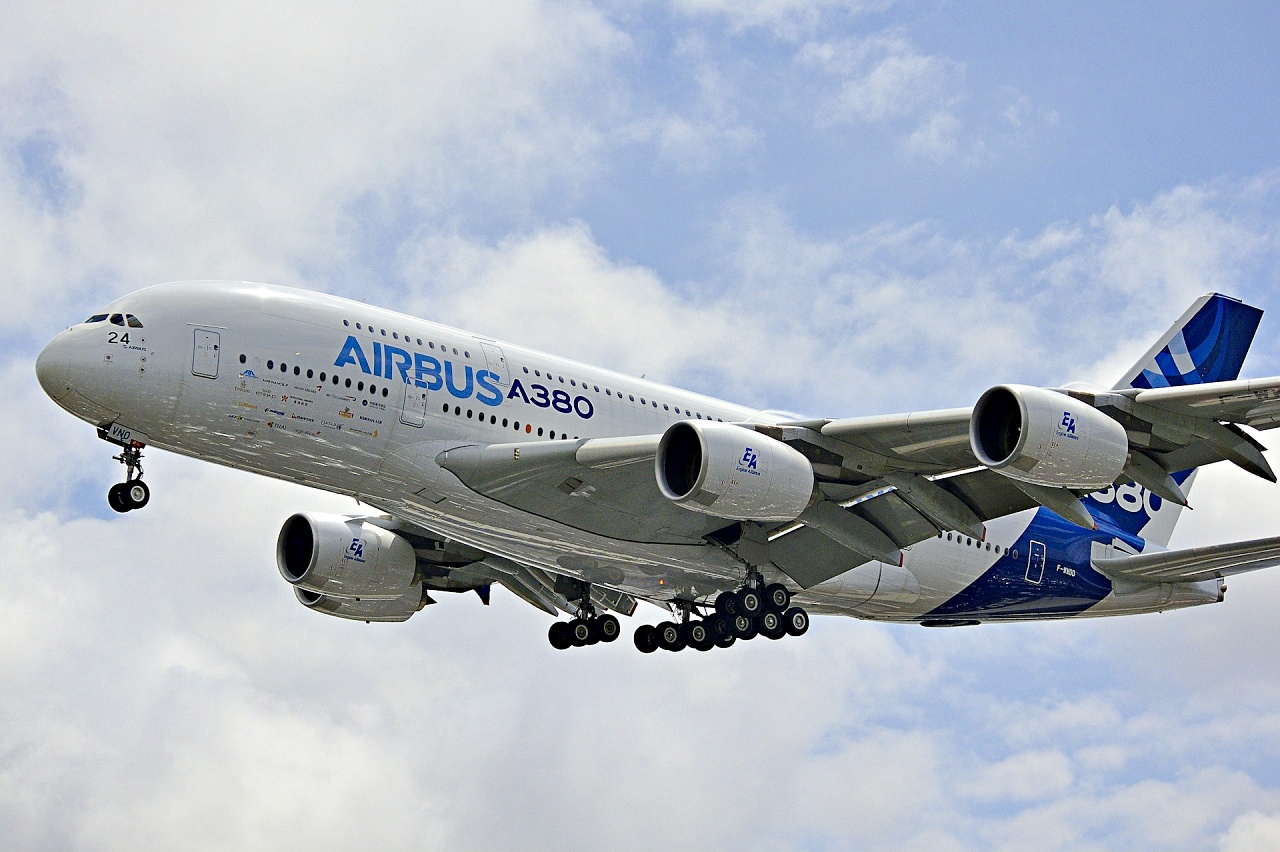
Airbus operators worldwide began returning their A320-family fleets to service on Monday after the planemaker implemented urgent software updates faster than initially expected. The accelerated response followed a rare global safety alert issued after a JetBlue A320 experienced a sudden mid-air altitude drop, potentially linked — though not confirmed — to a software vulnerability triggered by solar flares.
Airlines across North America, Europe, the Middle East, and Asia conducted immediate software reversions mandated by regulators. While most carriers completed the fix within hours, some — such as Colombia’s Avianca — faced extended processes and temporarily paused bookings through December 8. Industry sources noted that roughly 6,000 aircraft, nearly half the global A320 fleet, were initially swept into the unprecedented recall issued late last week.
The emergency directive, delivered in an eight-page alert, required operators to perform the software reset before each jet's next flight, effectively grounding affected aircraft. Flyadeal CEO Steven Greenway said the notice arrived unexpectedly late at night, but engineers completed the process more smoothly than anticipated despite logistical challenges.
Initial concerns of widespread travel disruption, especially during the U.S. Thanksgiving period, eased as airlines refined their assessments. Engineers quickly identified which jets were impacted, reducing the number of affected aircraft from early estimates. The remedy involved rolling back to an earlier nose-angle control software version using a secure data loader device. Some carriers, however, reported delays due to limited availability of these units.
JetBlue projected that 137 of its 150 affected aircraft would return to service by Monday, though about 20 flights were canceled. A smaller subset of older A320-family jets still requires hardware replacement rather than a software reset, but estimates for those aircraft have also been lowered.
Aviation analysts say Airbus’s swift and transparent response reflects lessons learned from Boeing’s 737 MAX crisis. CEO Guillaume Faury even issued a rare public apology, signaling a shift toward openness in an industry increasingly mindful of public trust, regulatory scrutiny, and safety accountability.