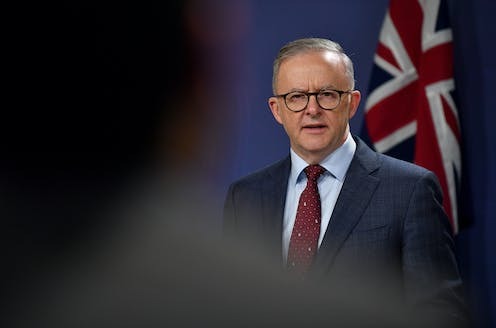
Australian Prime Minister Anthony Albanese departs for the United States this weekend, fueling expectations of a first meeting with U.S. President Donald Trump. The AUKUS defense partnership, China’s influence, and Indo-Pacific security are expected to dominate discussions if a bilateral takes place.
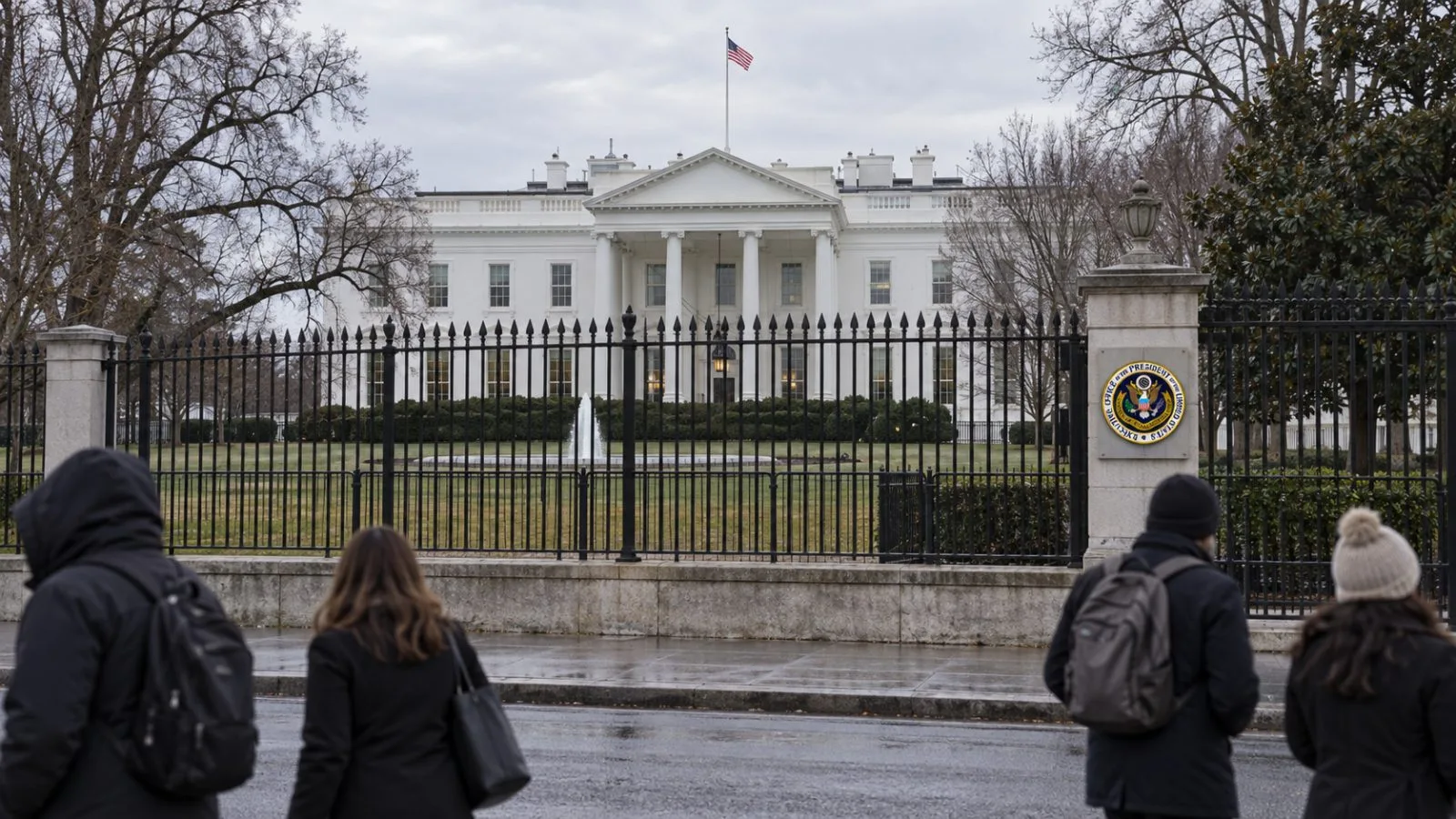
Albanese will first attend the United Nations General Assembly in New York, where Trump is hosting a reception. While no meeting has been confirmed, Trump hinted the Australian leader would visit him “very soon.” Analysts say strengthening the thin U.S.-Australia relationship is crucial, especially since no U.S. ambassador is currently in Canberra.
Former ambassador Arthur Sinodinos noted that King Charles endorsed AUKUS during Trump’s UK visit, stressing the need for Albanese to secure Trump’s direct support on nuclear-powered submarines. AUKUS, aimed at countering China’s naval build-up, is under Pentagon review, raising questions about potential new conditions.
At the UN, Albanese will back Palestinian statehood and highlight Australia’s proposed social media ban for under-16s—stances diverging from Washington’s. Still, common ground remains in countering China’s dominance in critical minerals. Over 20 Australian mining firms met Trump officials this week to explore cooperation.
Trade will also be on the agenda, with Canberra urging adherence to the free trade deal that benefits Washington. U.S. pressure on defense spending saw Australia commit an additional A$12 billion to upgrade its submarine maintenance shipyard in Western Australia.
Australia’s Pacific Islands strategy remains key for both nations, though recent visits saw security treaties with Papua New Guinea and Vanuatu stall. China’s embassy in PNG opposed exclusive agreements, signaling rising competition in the region.
Analysts warn that any perception of reduced U.S. or Australian engagement could open the door for China to expand its influence in the Pacific.