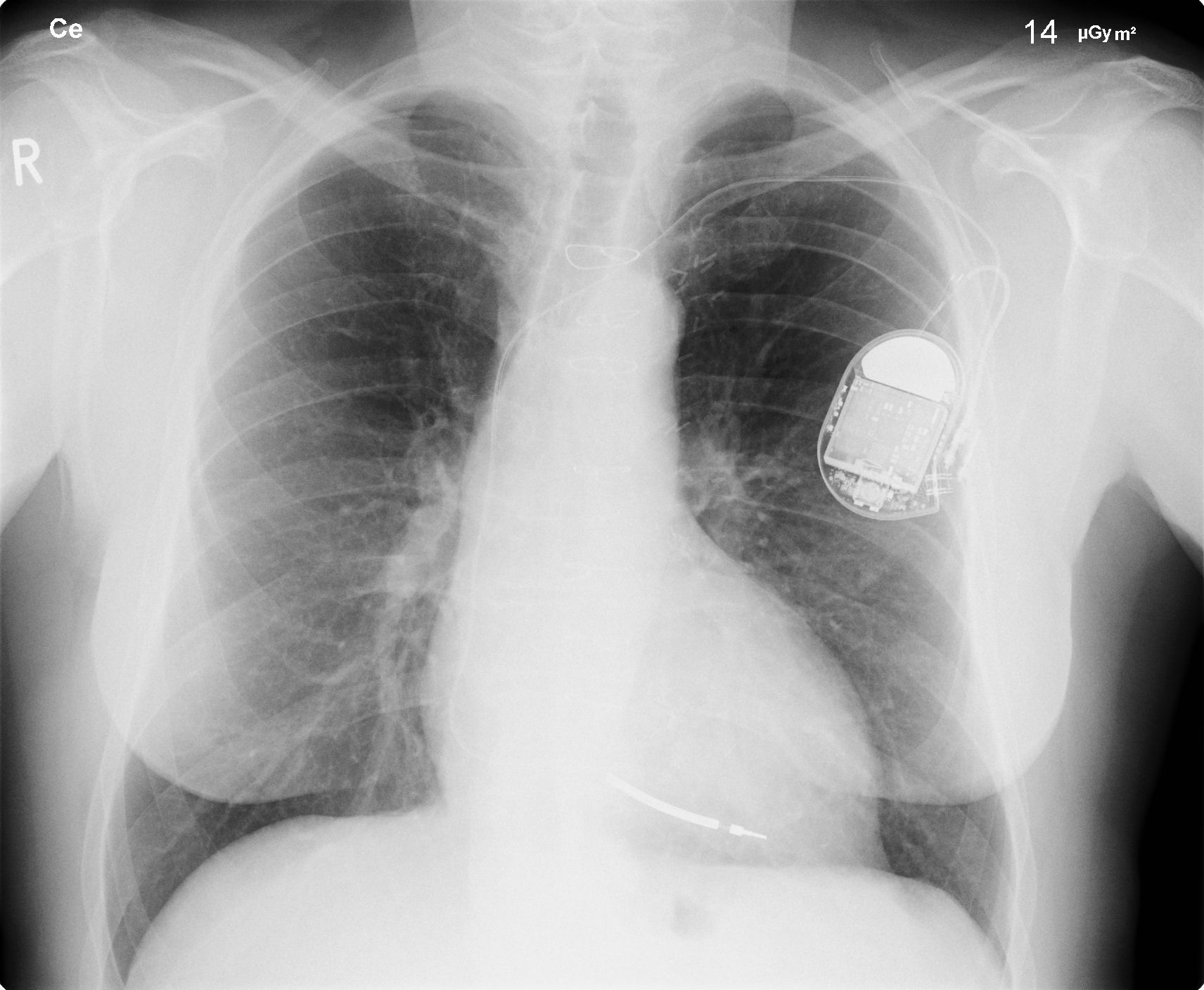
As another sign that the world is becoming interconnected on a terrifying level, nearly 500,000 pacemakers were recalled by the US Food and Drug Administration due to hacking risks. Usually, people perceive hackers as a threat with regards to emails, online banking activities, and identity theft. Now, it would seem that computer wizards can shut down a person’s heart if they wanted to.
The recall is due to fears by the FDA that the roughly 465,000 pacemakers made by the company Abbot are vulnerable to hacking due to lax security in the units, The Guardian reports. Before anyone starts thinking that this would mean hundreds of thousands of people are going to get their chests sliced open and the pacemakers taken out, however, this isn’t exactly a standard recall.
For starters, the recall is only a means of getting the word out and forcing the company to actually issue a firmware update. This update would then come with security patches in order to cover the holes that hackers could exploit.
The good news is that so far, no cases of outside tampering of the pacemakers have been found. This could either mean that hackers have not been able to find the holes, to begin with, or they just chose not to mess with the pacemakers.
Even so, the US Department of Homeland Security is still concerned. As a result, it issued a statement saying that “it is recommended that healthcare providers discuss this update with their patients and carefully consider the potential risk of a cyber security attack along with the risk of performing a firmware update”.
In its own statement, Abbott reaffirms that it is committed to making sure that all security vulnerabilities are addressed, Fortune reports. It’s fortunate that the problem was discovered in time before an incident had occurred that cost lives.