


 Apple Supplier Luxshare Faces US Patent Probe, Sees Limited Impact
  Canton Network Expands in South Korea With Major Partnerships
  IMF, World Bank Meetings Face Global Economic Risks Amid Iran War
  FAA Warns US Airlines Over Saudi Arabia Flight Risks
  Nasdaq Falls as Oil Prices Surge Ahead of Bank Earnings
  Oil Prices Rise as Houthi Attacks Threaten Middle East Supply
  Coinbase CEO Backs SEC Accredited Investor Reform
  RBA Signals More Rate Hikes as Inflation Risks Rise
  Bank of America Predicts Yen Rebound as USD/JPY Faces Risks
  Visa Wins China Approval to Prepare Domestic Payments Expansion
  S&P 500 Rally Masks Losses for Over 40% of Stocks in 2026
  Hong Kong’s Second Solana ETF Launches With Lower Fees
  Nvidia’s China AI Chip Market Share Falls to 34% as Huawei Gains Ground
  US Dollar Near 18-Month High Ahead of Inflation Data
  South Korea Blocks 27 Crypto Exchange Websites in Regulatory Crackdown


 Add as a preferred source on Google
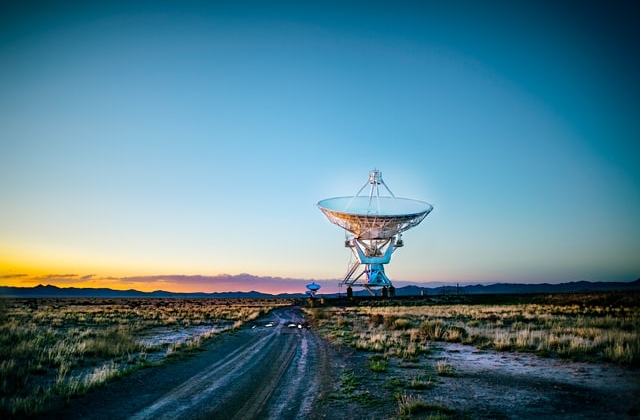
Amazon is working on its Project Kuiper program that aims to provide internet service to the public. The tech company is planning to launch its internet service not just in the United States but around the world, so it is requesting approval to deploy additional 4,500 satellites to space.
Amazon is waiting for the U.S. communication regulator's go signal for the launch of more satellites so it can expand its internet project. The effort is part of the goal to deliver broadband internet even to remote regions and areas that have slow or weak service.
According to Reuters, Amazon is investing at least $10 billion to create 3,236 internet satellites for its Project Kuiper program. Last week, it was reported that Jeff Bezos' company submitted its request to the Federal Communications Commission (FCC) for additional deployment of satellites. Once approved, the company will bring the number of its satellites to 7,774.
Amazon also asked the FCC for permission to launch and operate two prototype satellites in the last quarter of 2022. The company stated in its regulatory filing that the satellites would be used to service homes, businesses, medical facilities, government agencies, and other institutions worldwide.
"Although connectivity has improved on a global basis, only 51% of the global population, and 44% of the population of developing countries, are online," Amazon explained.
With the firm's Project Kuiper, a competition between Amazon and Elon musk's Starlink is expected. The latter is already providing satellite-based internet service to some countries. Bezos and the Tesla chief are also rivals in space exploration, and both have already launched space crafts with civilian passengers not long ago.
At any rate, CNBC previously reported that Amazon's first two prototype satellites that will be launched next year are called KuiperSat-1 and KuiperSat-2. These will be carried outside of Earth through ABL Space on its RS1 rocket.
"We'll soon be ready to see how [the satellites] perform in space," the publication quoted Rajeev Badyal, Amazon's vice president of technology, as saying in a statement. "There is no substitute for on-orbit testing, and we expect to learn a lot given the complexity and risk of operating in such a challenging environment."







