


 PepsiCo Slashes Poppi Earnout Valuation as Growth Slows
  Wall Street Ends Mixed as Investors Await CPI and Bank Earnings
  Trump Defends Russian Diesel Deal Amid US Sanctions Backlash
  Bank of America Predicts Yen Rebound as USD/JPY Faces Risks
  Samsung, SK Hynix Shares Plunge as China Chip Competition Grows
  Albertsons Seeks $9.3 Billion From Kroger Over Failed Merger
  Moonshot AI Executives Seek Settlement Ahead of Hong Kong IPO
  Epic Games Delays Disney Shooter, Shifts to AI-First Development
  Fed's Hammack Urges Faster Rate Hikes to Fight Inflation
  Canton Network Expands in South Korea With Major Partnerships
  UK Finance Minister Healey Calls for Fiscal Discipline Amid Global Risks
  Coinbase CEO Backs SEC Accredited Investor Reform
  Gold Prices Hit One-Week High as Oil Falls, Fed Rate Outlook Weighed
  Nasdaq Falls as Oil Prices Surge Ahead of Bank Earnings
  Arthur Hayes Announces FLOP Testnet Launch Within Weeks
  Oil Prices Fall as Trump Ceasefire Claim Shifts Market Focus to U.S. CPI
  Philippines Current Account Deficit Seen at $19.1 Billion in 2026


 Add as a preferred source on Google
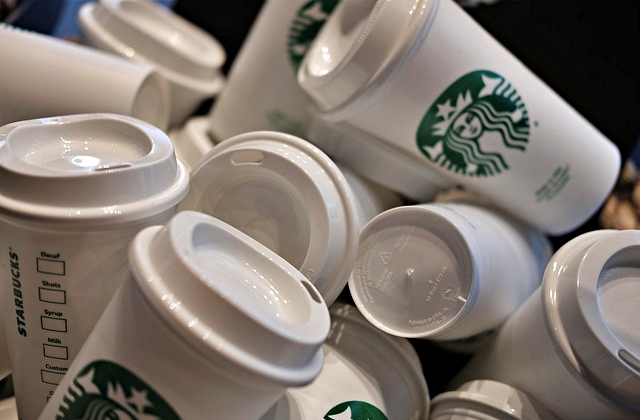
Starbucks Korea unveiled an expanded plan for its reusable cup program in the country. On Thursday, Nov. 4, the coffee chain said it would add more store outlet locations in the program, and they will mostly be in Seoul.
Starbucks Korea revealed that a dozen of its branches in the said city would stop using single-use plastic cups. The move is part of the company’s ongoing works to lessen plastic waste that goes to landfills.
As per The Korea Herald, starting this Saturday, Nov. 6, 12 Starbucks stores located in the country’s capital city will only serve drinks in mugs, tumblers, or reusable cups. Some of the mentioned locations are Starbucks shops in the City Hall Station, Eulji-ro branches, and Seosomun-ro.
The reusable cups that customers will use cost ₩1,000 or $0.85, but this amount is refundable once the containers are returned. Customers can choose to refund the amount in three ways, including in cash, Starbucks reward points, or Happy Habit app points. Returning the cups is also easy as there are 14 return machines throughout the city, and customers can also go to any of the chain’s 12 stores in Seoul.
The said city is the second area in the country where Starbucks launched its reusable cup program. The first location was in the southern part of Jeju Island, and the scheme has been in effect since July.
With the expansion to Seoul, Starbucks said it is expecting to get rid of about 500,000 single-use plastic cups. By 2022, the company is looking to list the rest of its stores in Seoul.
“We will continue to raise awareness of multi-use cups and encourage customers to bring their own cups and eventually increase the number of plastic cups reduced,” a Starbucks Korea official was quoted as saying.
Finally, CNBC previously reported that Starbucks Korea vowed to completely stop the usage of disposable cups in the country by the year 2025. There are around1,200 stores in S. Korea, and all of these should have discontinued the use of single-use cups within four years from now.







