


 Trump Secures Russian Diesel Deal as US Fuel Prices Surge
  Trump Calls for Zelenskyy Replacement Amid Russian Diesel Deal
  European Auto Stocks Rise as EU-China Trade Deal Targets Hybrid Imports
  Samsung, SK Hynix Shares Plunge as China Chip Competition Grows
  Bumble Shares Surge 50% on $1 Billion Buyout Talks
  Asian Currencies Steady as Dollar Nears 18-Month High Ahead of US CPI
  Moonshot AI Executives Seek Settlement Ahead of Hong Kong IPO
  Syndax Stock Drops 15% After Axatilimab Trial Failure
  Bank of America Predicts Yen Rebound as USD/JPY Faces Risks
  Ethereum Foundation-Linked Wallets Move $11.13M in ETH to Kraken
  Apple Supplier Luxshare Faces US Patent Probe, Sees Limited Impact
  Oil Prices Fall as Trump Ceasefire Claim Shifts Market Focus to U.S. CPI
  US Dollar Near 18-Month High Ahead of Inflation Data
  Wall Street Ends Mixed as Investors Await CPI and Bank Earnings
  Nasdaq Falls as Oil Prices Surge Ahead of Bank Earnings
  TSMC Profit Set to Surge 65% as AI Chip Demand Drives Record Earnings
  South Korea Blocks 27 Crypto Exchange Websites in Regulatory Crackdown


 Add as a preferred source on Google
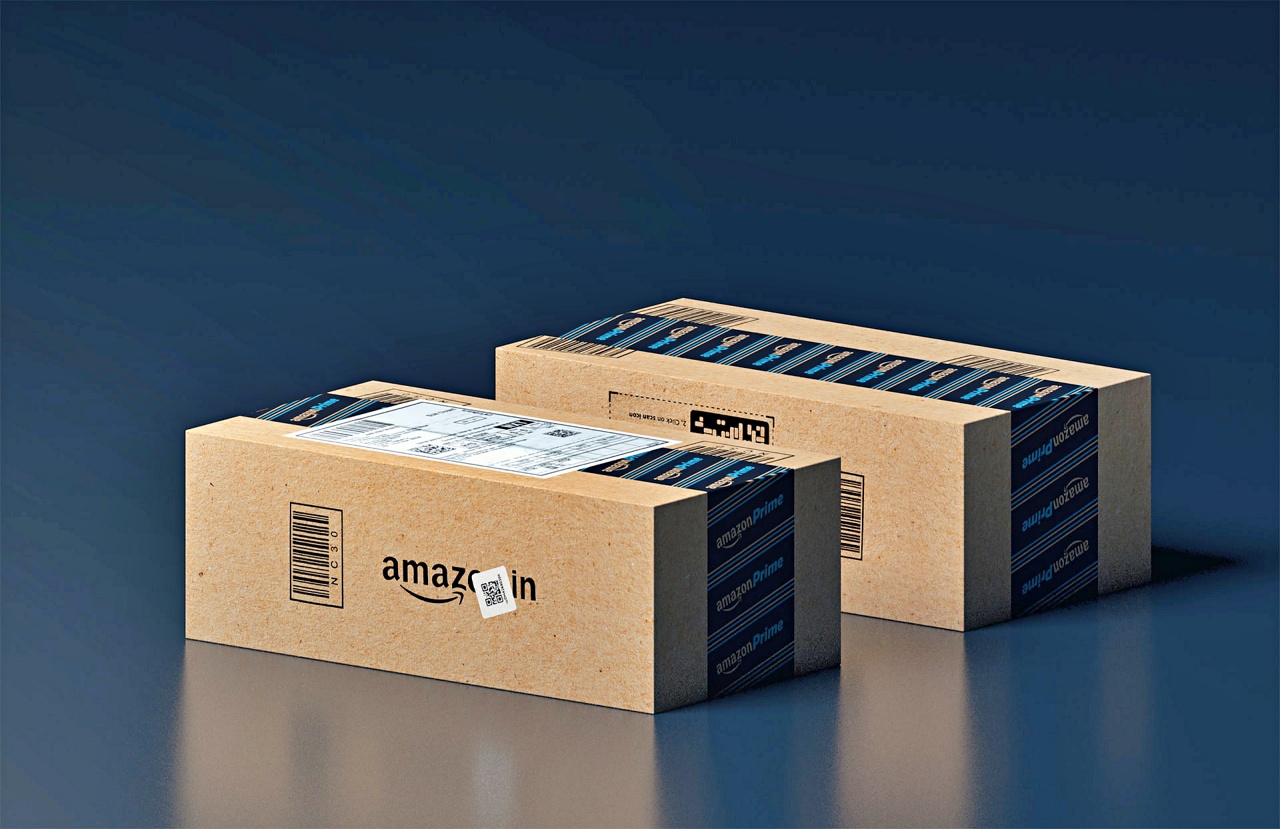
Amazon is having difficulties due to the soaring inflation, thus it is implementing an increase in seller fees to cope. It was reported that the e-commerce giant would be raising fulfillment fees during the holiday season.
The move will pass some of Amazon’s increased costs to the merchants or sellers who rely on its platform to sell their products. According to CNBC, the company stated that third-party sellers that use the “Fulfillment by Amazon” (FBA) service would be charged an extra 35 cents for each item they sold in the United States and Canada.
The fee will be collected starting Oct. 15, and it will run through the entire holiday period or around Jan. 14. Amazon made the announcement by sending out emails to sellers on Tuesday this week. It was explained that sellers that use FBA allow Amazon to handle the processing of product pick-ups, packing, and delivery to buyers.
The additional fee will be paid on top of the current charges that all sellers pay for their use of the FBA service. It should be noted that the costs may vary depending on the size, weight, and category of the items.
With the new fees, Amazon said this is the first time that it has imposed a holiday surcharge and suggested it has no choice but to do so. The company explained this is because the “expenses are reaching new heights”, which is making it more difficult for Amazon to shoulder the costs tied to the peak of the shopping season.
“Our selling partners are incredibly important to us, and this is not a decision we made lightly,” part of the note sent by Amazon to sellers reads.
In any case, the Associated Press News reported that this is actually the second fee increase that Amazon implemented for the merchants this year. Back in April, the firm already added a five percent fuel and inflation surcharge to combat the surging cost of gas and inflation.
With this repeated increase in seller fees, it was said that critics are arguing the hikes are excessive. They said that these exorbitant fees may lock out the sellers from the Amazon marketplace.
“Corporations that have monopoly power tend to raise prices, and that’s what we’re seeing here,” Stacy Mitchell, an Amazon critic and co-director at Local Self-Reliance anti-monopoly group institute, said in a statement. “Amazon’s dominance of the online market means that small businesses have little choice but to pay up.”







