


 TSMC Profit Set to Surge 65% as AI Chip Demand Drives Record Earnings
  Jameson Lopp Downplays AI Threat to Bitcoin Cryptography
  Apple Cuts iPhone 18 Pro Production Orders Amid Weak Demand
  Robinhood Chain Eyes Priority Gas Auctions for Faster Trades
  NEAR Protocol Leads AI Crypto Rally Amid Fed Rate Hike Fears
  US Suspends Microsoft, Adobe From Green Card Program
  OpenAI Annualized Revenue Hits $50 Billion, Below Earlier Estimates
  OpenAI Revenue Hits $50 Billion, Below Earlier $70 Billion Estimate
  Nvidia’s China AI Chip Market Share Falls to 34% as Huawei Gains Ground
  Trump Buys Up to $25M in Meta Stock, Invests in SpaceX Debt
  Samsung, SK Hynix Shares Fall as China's CXMT Advances DRAM Technology
  Apple Supplier Luxshare Sees Limited Impact From US Patent Probe
  Tencent Shares Fall as $5 Billion AI Bond Sale Weighed
  Oracle Uses Trucked Natural Gas to Power AI Data Centers Amid Pipeline Delays
  Citi Upgrades Galaxy Digital Stock, Raises Price Target to $28


 Add as a preferred source on Google
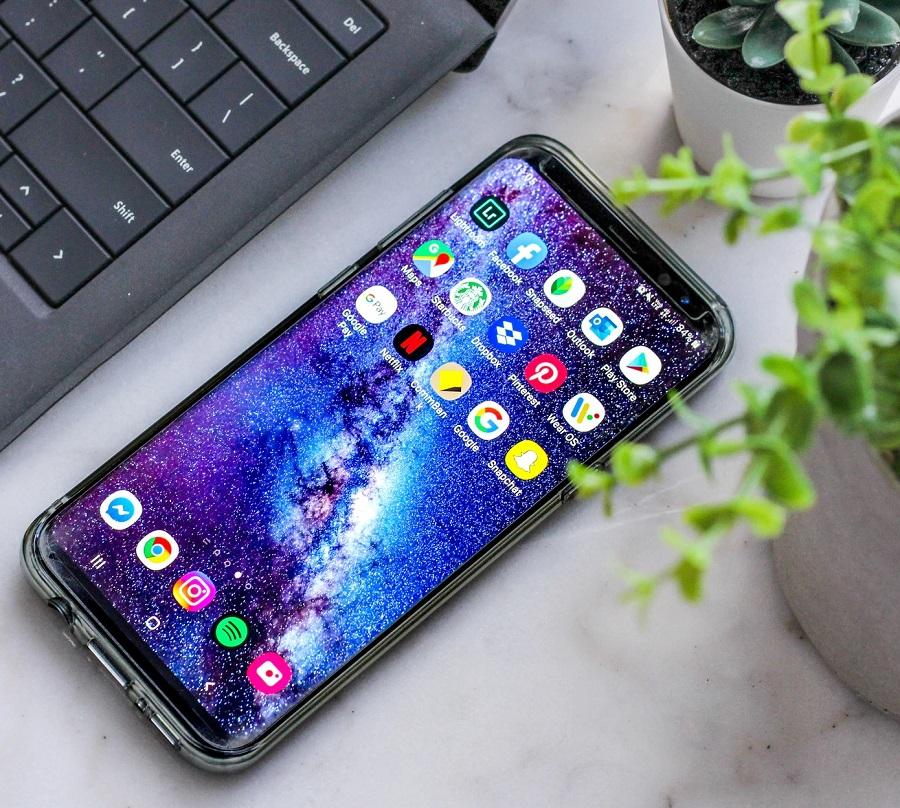
While Android and iOS offer features that aim to protect young children using mobile devices, a study conducted by a nonprofit organization found some concerning issues related to school mobile apps. It revealed that apps associated with public schools are more likely to contain software development kits (SDKs), which then enables apps to share students’ data with third parties.
64 percent of public-school student apps contain SDKs
The research was conducted by the Me2B Alliance advocating for “respectful treatment of people by technology.” It included 73 apps, mostly are similarly available on Android and iOS, used by students from 38 public and private schools across 14 states in the U.S. Of those 73 apps, 44 apps have at least one SDK and reportedly share students’ online data to third parties, including major advertising platforms Google and Facebook.
Meanwhile, 64 percent of the public-school apps included in the study’s sample contained SDKs. But the figure is 10 percent lower (54 percent) in the case of private schools. Public-school apps also have a higher percentage when it comes to third-party data sharing at 67 percent, while this behavior was observed in 57 percent of the private-school apps.
“Most likely, taxpayer funds were involved in financing public-school apps. Thus, taxpayers may unwittingly be supporting digital advertising businesses,” Me2B Alliance pointed out.
Another salient point of the study is that 85 percent of the students using the apps analyzed are under 13 years old. However, the research was not able to determine how app developers and schools are implementing ways to protect data, especially those collected from younger users.
It was also noted that most of the apps studied were gathering “personally identifying information” such as the students’ names and age. Several app permissions also included requests for access to the camera, microphone, and device identifiers.
Much more Android apps have SDKs, share data to third parties
Another key finding shows a familiar pattern -- Android apps are much more likely to share user data with third parties than iOS. On average, Android apps contained 13.4 SDKs compared to 8.5 on iOS apps in the study.
The research also presents a glaring difference in the behavior of iOS and Android apps when it comes to external data sharing. Within the sample size, 68 percent of iOS apps do not engage in this activity, while 91 percent of Android apps do.
Android apps are also 8 times more likely to share data with “very high-risk” third parties. These data channels are defined by the organization as “entities that further share data with possibly hundreds or thousands of networked entities.”







