


 NASA and Roscosmos Chiefs Meet in Florida to Discuss Moon and ISS Cooperation
  Trump Signs Executive Order to Boost AI Research in Childhood Cancer
  Blue Origin New Glenn Explosion Could Delay Launch Operations Until 2028
  Eli Lilly’s Inluriyo Gains FDA Approval for Advanced Breast Cancer Treatment
  Neuralink Plans High-Volume Brain Implant Production and Fully Automated Surgery by 2026
  Blue Origin’s New Glenn Achieves Breakthrough Success With First NASA Mission
  SpaceX Delays Starship V3 Launch Ahead of Potential Record IPO
  China vs. NASA: The New Moon Race and What's at Stake by 2030
  FDA Pilot Program Eases Rules for Nicotine Pouch Makers


 Add as a preferred source on Google
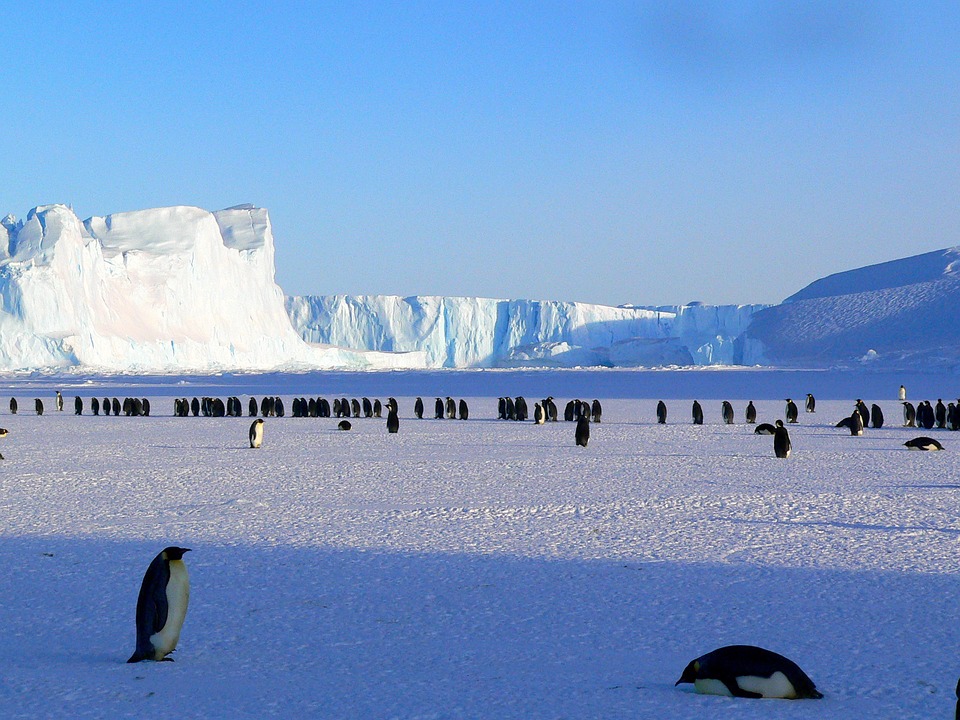
Just when we think all the fossils of long ago were all found, we end up getting surprised at sudden discoveries in recent years. A new report emerges as scientists in Antarctica discover fossils belonging to an animal 40 million years ago.
Express reports that scientists in Antarctica made a big discovery while at the polar region’s Seymour Island. They found the remains of an extinct species of animals referred to as Palaeeudyptes klekowskii, also known as colossus penguins. Having made the discovery back in 2010, British Antarctica Survey Professor David Walton said that they knew there were dinosaurs that once roamed the polar region such as Antarctica and that there were giant penguins that once existed. “Six feet tall in fact,” said Walton.
As to how they came to conclude that the fossils they found belonged to the extinct species of penguins, Walton explained that they reconstructed a penguin only based on one metatarsal that they found. Apart from discovering the species of penguins from the single bone, they were also able to determine the lifespan of the particular penguin that they found, which was 40 years.
Scientists from the La Plata Museum in Argentina are also looking into studying this long-extinct species. In 2014, Carolina Acosta Hospitaleche from the museum said that the penguin might have weighed about 19 stone, and its weight may have allowed it to be able to stay underwater for a longer period of time as well as dive in much lower depths. The researchers have also predicted that the colossus penguin may have been able to hold its breath for up to 40 minutes as well and thus could hunt for fish much longer.
On the other side of things, NASA has also made a discovery in Antarctica. The agency previously buried a GPS tracker under the Nansen Ice Shelf. Dr. Ryan Walker and Dr. Christine Dow of NASA went to the Nansen Ice Shelf to investigate how tides affect the movement and stability of the ice protruding Ross sea. After five weeks of study, the two NASA scientists were able to see how ice sheets that rose and fell affected the probability of an ice shelf collapse.
The GPS data revealed that the Antarctica ice sheet is flowing under its own weight. However, the part that was the most concerning was that once the ice sheet is removed, then there is nothing preventing the ice mass from moving down quickly. In other words, a collapse is what would most likely be the result.







