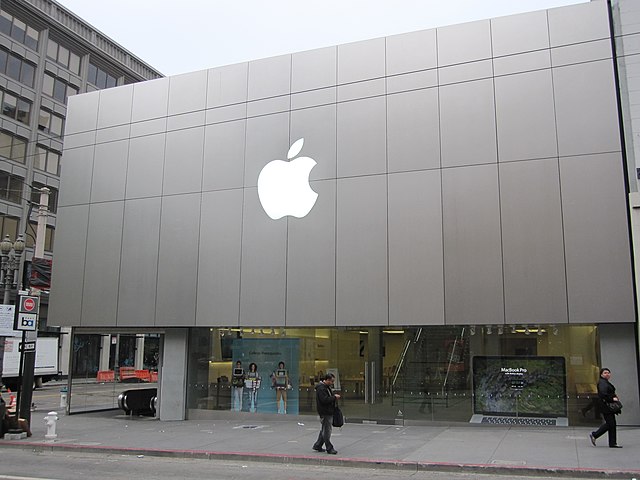
Apple has officially begun shipping artificial intelligence (AI) servers produced at its new manufacturing facility in Houston, Texas. The move marks a significant milestone in Apple’s broader strategy to expand its U.S. footprint, with the tech giant committing to invest over $600 billion domestically in the coming years.
The newly produced AI servers are equipped with advanced chips designed to enhance Apple’s growing suite of artificial intelligence features while maintaining the company’s signature focus on user privacy. These servers will be deployed across Apple’s data centers throughout the United States, ensuring secure and efficient processing of AI-driven functionalities across devices like iPhones, iPads, and Mac computers.
Apple Chief Operating Officer Sabih Khan praised the company’s teams for their rapid progress, stating, “Our teams have done an incredible job accelerating work to get the new Houston factory up and running ahead of schedule, and we plan to continue expanding the facility to increase production next year.”
The Houston factory underscores Apple’s long-term commitment to strengthening its U.S.-based manufacturing and technology infrastructure. While former President Donald Trump had urged the company to produce iPhones domestically, CEO Tim Cook has maintained that large-scale iPhone assembly is more practical overseas. However, Apple continues to source an increasing share of key components, including processors and semiconductors, from U.S. suppliers.
By ramping up production of AI servers within the United States, Apple aims to enhance performance, security, and reliability in its AI services while supporting American jobs and innovation. The Houston facility’s expansion will further solidify Apple’s role in advancing the country’s technological capabilities and sustaining its competitive edge in the global AI landscape.