


 Oracle Uses Trucked Natural Gas to Power AI Data Centers Amid Pipeline Delays
  Tencent Shares Fall as $5 Billion AI Bond Sale Weighed
  Meta Launches Muse Wonder AI Models, Shares Rise 3.7%
  Robinhood Chain Eyes Priority Gas Auctions for Faster Trades
  Samsung, SK Hynix Shares Fall as China's CXMT Advances DRAM Technology
  OpenAI Revenue Hits $50 Billion, Below Earlier $70 Billion Estimate
  Samsung Q3 Profit Hits Record High on AI Memory Demand
  Amazon Cuts More Jobs as AI Investment Expands
  Yandex Data Center Hit by Drone Strike as Russia-Ukraine Cyber Infrastructure Attacks Escalate
  Zcash Plans Quantum-Resistant Security Upgrade for January
  OpenAI Annualized Revenue Hits $50 Billion, Below Earlier Estimates
  Apple Supplier Luxshare Sees Limited Impact From US Patent Probe
  Elon Musk Accuses Indian Telecom Giants of Blocking Starlink Launch
  Anthropic Launches Claude Dashboards and Motion AI Tools
  Jameson Lopp Downplays AI Threat to Bitcoin Cryptography


 Add as a preferred source on Google
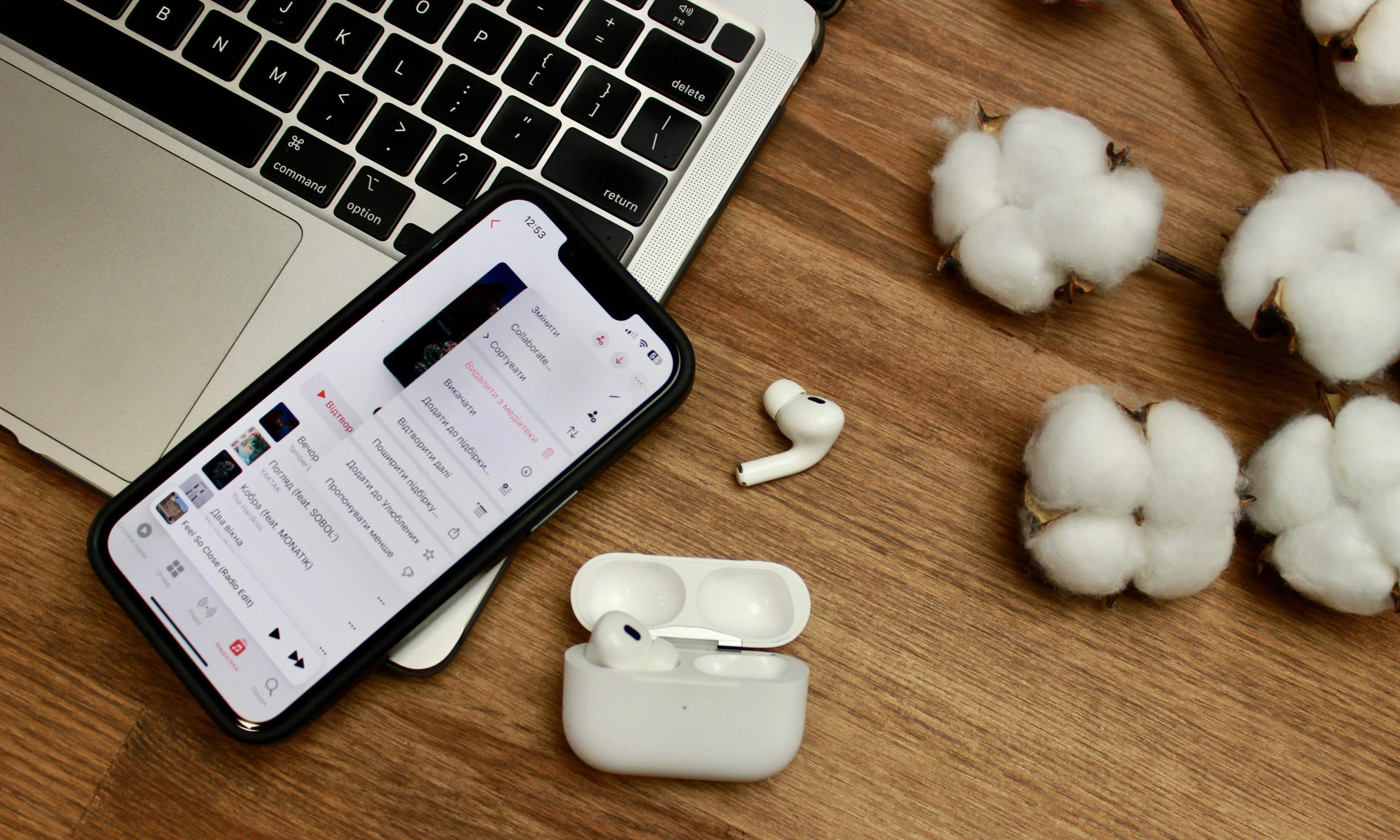
Apple has authorized developers to access beta 3 of the forthcoming iOS 17.4, watchOS 10.4, and macOS 14.4 operating systems. A week after the release of the second developer version, the most recent builds become available. Developers are granted complimentary access to obtain and install the most recent updates on their Apple Watch, Mac, and iPhone.
iOS 17.4, watchOS 10.4, and macOS 14.4 Beta 3 Have Been Made Available to Developers, Potentially Incorporating EU-mandated Updates
Apple's public distribution of iOS 17.4 and iPadOS 17.4 signifies significant advancements, particularly in the European Union. Users can sideload applications directly from third-party sources and establish alternative app stores using their chosen payment methods. To examine the most recent modifications, open the Settings application on your iOS device and proceed to General > Software Update > Beta Updates. Install the most recent version of iOS, 17.4, on a compatible iPhone.
Beta 3 of watchOS 10.4 was also released by Apple in addition to iOS 17.4. Additionally, watchOS 10.4 will be a significant update due to the number of new features it will include. Open your iPhone's dedicated Apple Watch application, navigate to General > Software Update > Beta Updates, and select the most recent build to install. Ensure that the battery life of your Apple Watch is at least 50 percent and that it is connected to an electrical outlet.
Apple has also released beta 3 of macOS 14.4, which includes modifications to the App Store for developers. In System Preferences, navigate to the Software Updates section for the most recent update. The most recent beta will also include the App Store modifications that are mandatory for developers and are specific to the European Union.
Before applying beta updates, ensure your Developer Account is linked to your Apple ID. Apple may make iOS 17.4, watchOS 10.4, and macOS 14.4 available to the public within the following month, before March 6. Developers will provide additional information regarding forthcoming features once they have refined the most recent iteration.
Apple Is Under Investigation Regarding the Shutdown of the Beeper Mini; the FCC Commissioner Calls It Antitrust Conduct
Although Beeper Mini provided a means for Android users to exchange iMessage, Apple resolutely and persistently pursued the service's deactivation. U.S. Senator Elizabeth Warren had previously taken notice of the dispute between the two companies. Now that Beeper Mini has formally ceased operations, the FCC commissioner has commenced investigating Apple for alleged antitrust conduct.
Apple Ultimately Dissuaded Beeper Mini Developers from Bringing iMessage to Android Users, Which Prompted the FCC to Launch an Investigation
According to Wccftech, multiple antitrust investigations are underway in the United States against Apple, with FCC commissioner Brendan Carr examining whether the technology giant's recent action "complies with the FCC's Part 14 rules." This declaration was made on Monday during the State of the Net Conference. For those unfamiliar with the FCC's Part 14 regulations, it specifies the accessibility requirements that must be met by "advanced communications services" and services like iMessage.
Carr believes that Apple may have violated the FCC rule that states providers "shall not install network features, functions, or capabilities that impede accessibility or usability," given Apple's significant involvement in the shutdown of Beeper Mini. According to Carr, individuals with limited vision may find it challenging to perceive or differentiate the messages displayed in the green bubbles due to the diminished contrast.
"Apple made changes to iMessage to disable the functionality of Beeper Mini. The FCC should launch an investigation to look at whether Apple's decision to degrade the Beeper Mini functionality that was being provided, which again, encouraged accessibility and usability, was a step that violated the FCC's rules," Carr stated.
Apple's actions caused Beeper Mini to cease operations in December 2023. While the standard service remains accessible, Android users are compelled to use an iPhone or Mac to exchange messages, rendering the service ineffective. As the FCC commissioner, governmental officials have previously pursued Apple on antitrust grounds; therefore, it is improbable that this will be the final attempt.
Photo: Sophia Stark/Unsplash







