


 TSMC Q3 Revenue Beats Estimates as AI Chip Demand Surges
  Moonshot AI Executives Seek Settlement Ahead of Hong Kong IPO
  TSMC Profit Set to Surge 65% as AI Chip Demand Drives Record Earnings
  Tencent Shares Fall as $5 Billion AI Bond Sale Weighed
  Samsung, SK Hynix Shares Plunge as China Chip Competition Grows
  US Suspends Microsoft, Adobe From Green Card Program
  OpenAI Revenue Hits $50 Billion, Below Earlier $70 Billion Estimate
  OpenAI Annualized Revenue Hits $50 Billion, Below Earlier Estimates
  Zcash Plans Quantum-Resistant Security Upgrade for January
  Arthur Hayes Announces FLOP Testnet Launch Within Weeks
  Oracle Uses Trucked Natural Gas to Power AI Data Centers Amid Pipeline Delays
  Amazon in Talks to Acquire AI Startup Decart for $7 Billion
  Robinhood Chain Eyes Priority Gas Auctions for Faster Trades
  Apple Names Steve Smith M&A Chief in Leadership Shakeup
  Epic Games Delays Disney Shooter, Shifts to AI-First Development
  Jameson Lopp Downplays AI Threat to Bitcoin Cryptography


 Add as a preferred source on Google
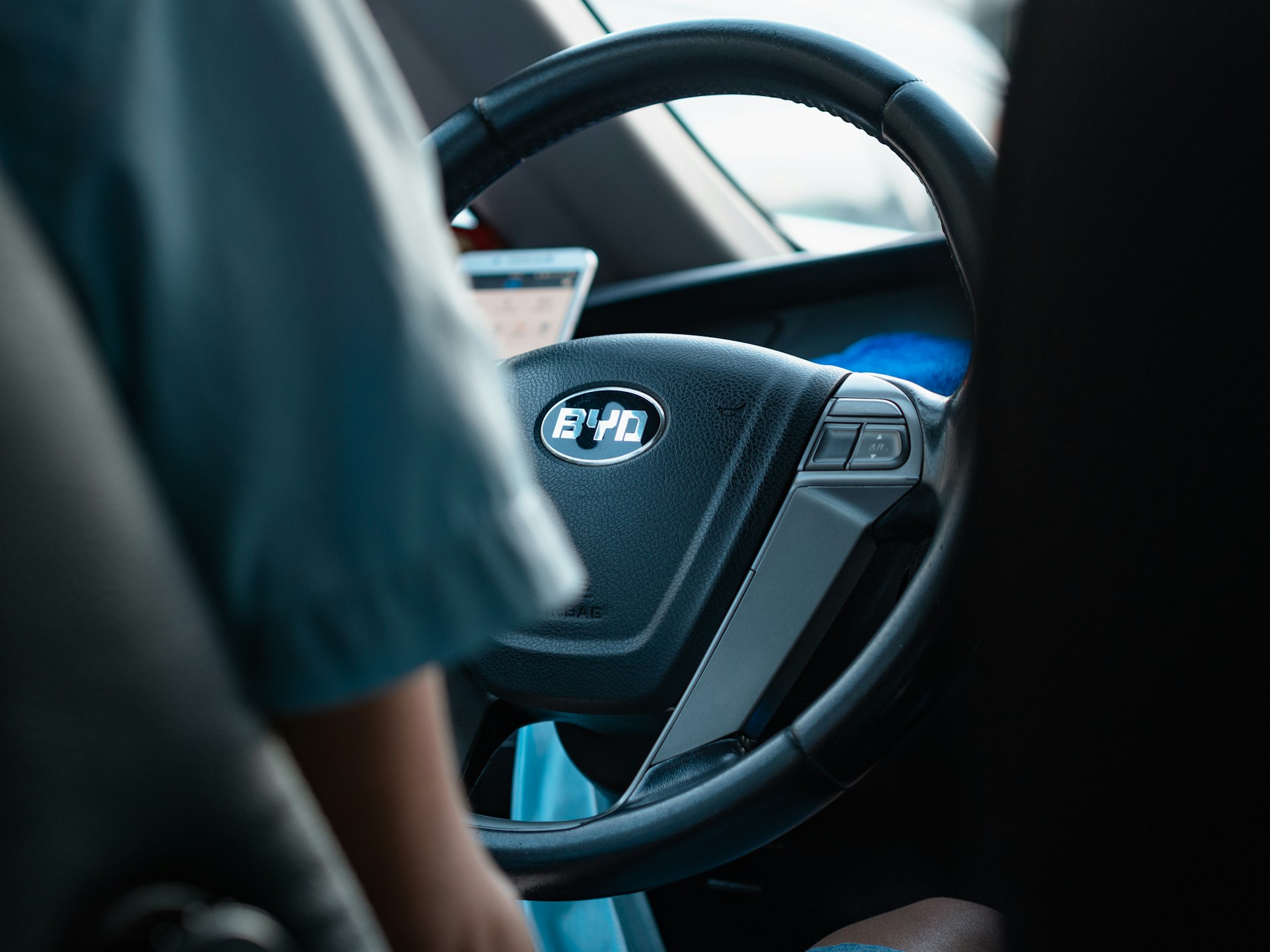
Automobile manufacturers in China have instilled dread in businesses worldwide.
Navigating New Frontiers: Chinese Luxury EVs Capture Global Market Through Unconventional Channels
“If there are no trade barriers established, they will pretty much demolish most other car companies in the world,” Tesla CEO Elon Musk told investors last month. “They’re extremely good.”
In recent times, China's BYD, which Berkshire Hathaway founder Warren Buffett supports, surpassed Tesla in worldwide electric vehicle sales.
A select few luxury electric vehicles manufactured in China are attracting the attention of affluent automobile purchasers in other countries, including smaller ones where the vehicles have not yet been officially introduced for sale. This has created an opportunity for individual speculators to exploit a loophole, utilizing their greater agility than the automakers themselves.
According to reports from the Rest of the World, these merchants registered automobiles in China prior to transporting them to ardent admirers in Kazakhstan and Saudi Arabia. In this manner, the automobiles can be classified as secondhand, thereby obviating the need for authorization from the manufacturer.
This allows international purchasers to obtain fashionable Chinese electric vehicles (EVs) that are frequently associated with social standing, such as premium models from BYD, Li Auto, and Zeekr (Geely's premium EV brand). Undoubtedly, they incur additional costs to do so, and they may face repair complications in the interim while the automobile manufacturers establish a local presence.
“Chinese cars are getting really popular,” a car exporter in China’s northern province of Hebei told Rest of World. “Big screens, interactive features, hidden door handles, voice control, massage chairs—all these things can be very attractive.”
Shifting Dynamics: The Rise of Chinese Automakers in the Global EV Landscape
Undoubtedly, this gray market appeals to the desire for more aesthetically pleasing Chinese models rather than prohibitively expensive ones. Undoubtedly, the grey market will progressively lose its utility as Chinese automotive manufacturers expand their operations to an increasing number of nations.
However, the fact that purchasers in distant countries desire and are aware of these models demonstrates that Chinese automakers can compete on both the high-end and low-end of the market.
Elon Musk has transitioned from expressing amusement regarding the quality of BYD automobiles in 2011 to positing more recently that Chinese firms will establish themselves as dominant contenders in the worldwide automotive sector.
Bill Ford Jr., executive chairman of Ford Motor, cautioned last summer that American automakers are "not quite ready" to compete with Chinese rivals in the electric vehicle market. “They developed very quickly, and they’ve developed them in large scale, and now they are exporting,” he stated to CNN. “They are not here, but they will come here we think at some point and we need to be ready.”
Photo: Joshua Fernandez/Unsplash







