


 TSMC Q3 Revenue Beats Estimates as AI Chip Demand Surges
  Micron Shares Rise 4% Despite Taiwan Strike Risk
  Jameson Lopp Downplays AI Threat to Bitcoin Cryptography
  Apple Cuts iPhone 18 Pro Production Orders Amid Weak Demand
  Amazon Cuts More Jobs as AI Investment Expands
  OpenAI Annualized Revenue Hits $50 Billion, Below Earlier Estimates
  Trump Buys Up to $25M in Meta Stock, Invests in SpaceX Debt
  US Suspends Microsoft, Adobe From Green Card Program
  Anthropic Launches Claude Dashboards and Motion AI Tools
  TikTok Accused of Testing Fake Safety Tools on Users
  Florida Seeks Tougher Meta Rules to Protect Young Users
  Apple Names Steve Smith M&A Chief in Leadership Shakeup
  DogecoinVM Makes DOGE Transactions 300x Faster
  OpenAI Revenue Hits $50 Billion, Below Earlier $70 Billion Estimate
  Robinhood Chain Eyes Priority Gas Auctions for Faster Trades
  Intel Reaffirms Role in Elon Musk’s Terafab Chip Project
  Elon Musk Accuses Indian Telecom Giants of Blocking Starlink Launch


 Add as a preferred source on Google
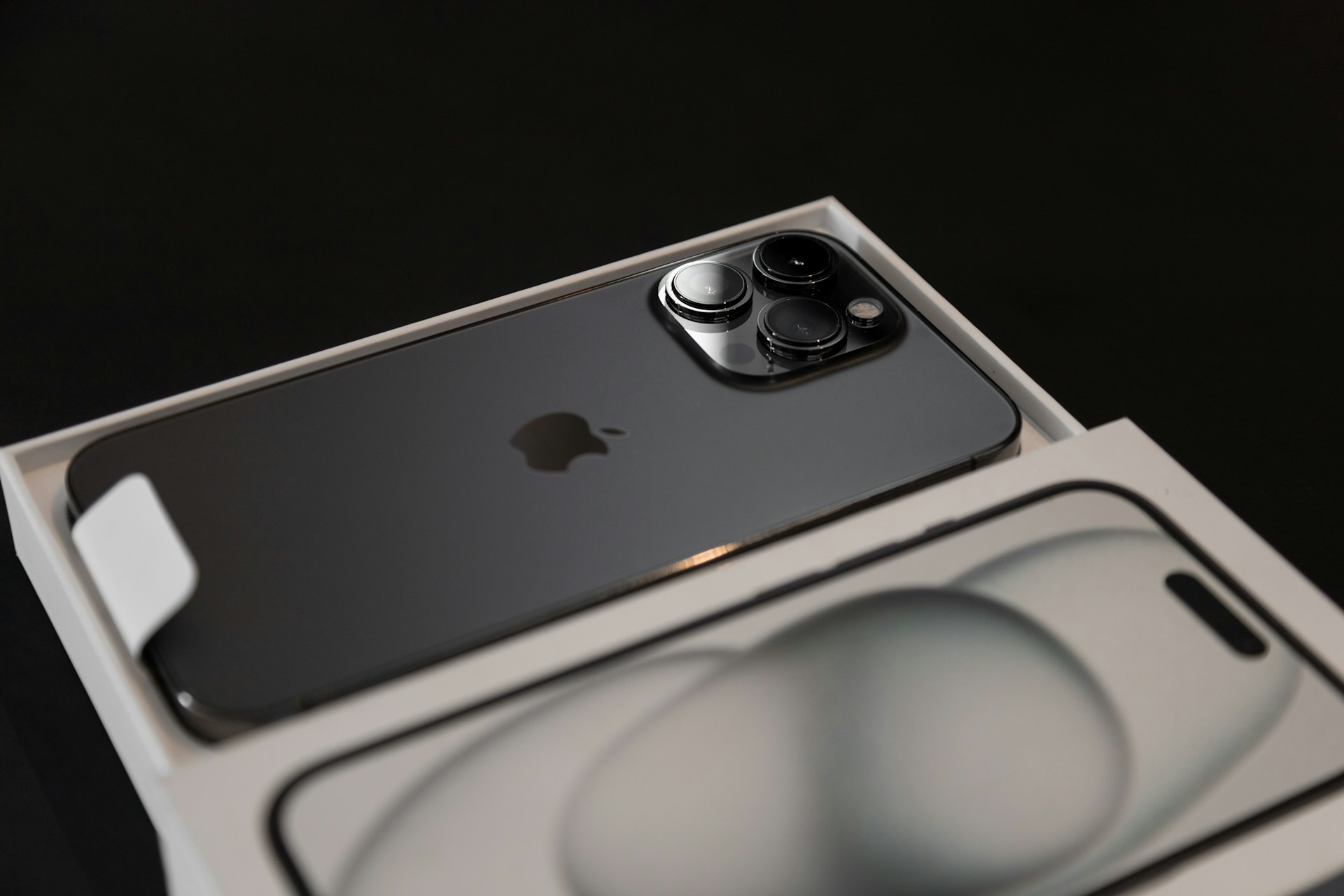
Apple is preparing the A18 for its future iPhone 16 series, but a fresh report cites an A18 Pro, implying that the company is constructing a slightly more powerful version specifically for the iPhone 16 Pro and iPhone 16 Pro Max.
The new A-series SoC looks to have started testing early since leaked Geekbench 6 scores show it outperforming Apple's M3, M3 Pro, and M3 Max in single-core performance. Unfortunately, the multi-threaded performance creates a dull image, at least for the time being.
Apple's A18 Pro Has Slower Multi-core Performance Than Snapdragon 8 Gen 4A
When we compare Apple's single-core results for the M3, it scored 3,076 points in Geekbench 6, with no difference from the M3 Pro and M3 Max in the same test. With the A18 Pro, @negativeonehero posted on X that the future silicon has a single-core score of 3,500, making it approximately 14% faster than the entire M3 line.
Apple has always had an advantage in this category, and while the gap has shrunk significantly in multi-threaded tests, the company has remained the unchallenged leader in single-core performance. Even when compared to the purported Snapdragon 8 Gen 4 ratings given by the same tipster, Qualcomm's forthcoming flagship processor received a score of 2,845, putting the A18 Pro 23 percent ahead.
Unfortunately, Geekbench 6's multi-core reveals the limitations of Apple's second-generation 3nm processor, which is only rumored to score 8,200 points, making the Snapdragon 8 Gen 4 29 percent faster. However, keep in mind that Apple will very certainly retain a 6-core CPU divided across two performance and four efficiency cores.
Balancing Performance and Power: The Snapdragon 8 Gen 4's Journey to Efficiency
The Snapdragon 8 Gen 4 is believed to have a “2 + 6” CPU cluster, and with Qualcomm not implementing efficiency cores this year, its new SoC will definitely achieve greater multi-core ratings, as per WCCFTech. Of course, as most of you are aware, performance is only one side of the equation, and without knowing the power consumption of each chipset, we cannot predict how power-efficient they will be.
Fortunately, we've learned several times that the A18 Pro and Snapdragon 8 Gen 4 will be mass-produced using TSMC's 3nm "N3E" technology, so power consumption should be comparable, at least on paper. Regardless, the tipster stated in his article that these numbers came too soon, implying that the A18 Pro is still in its early testing stages. With each passing month, we may see a more true portrayal of its performance, so stay tuned for future updates.
Photo: Rohan/Unsplash







