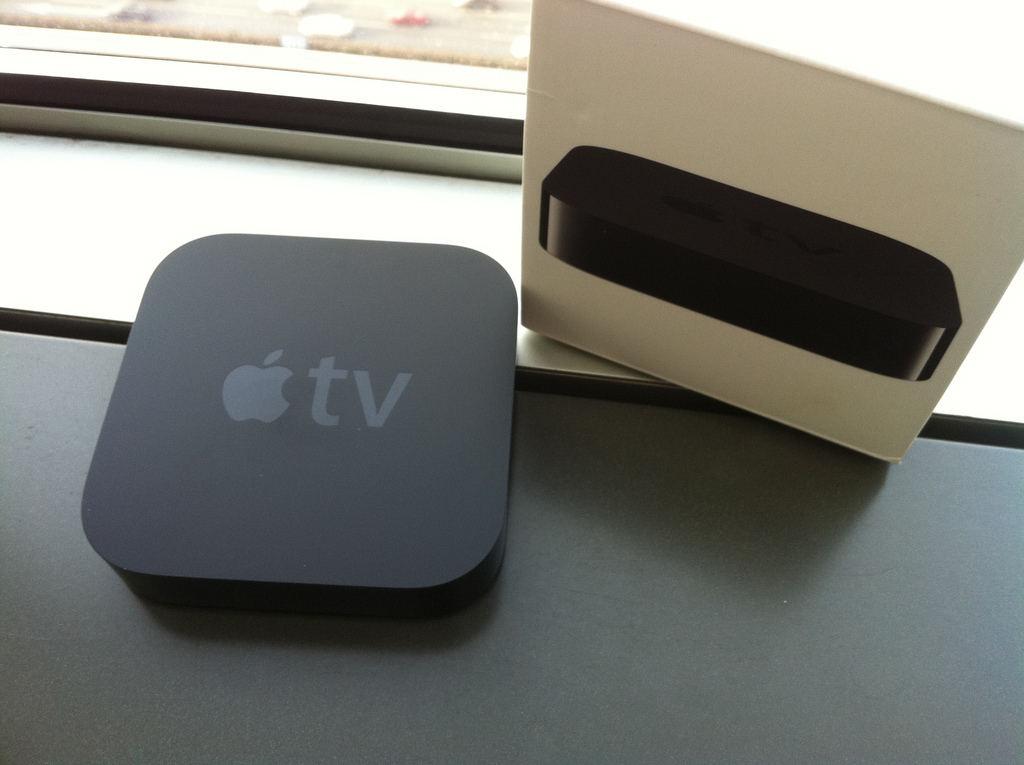
“Apple TV” was supposed to be a way for people in the digital age to watch television without actually being connected to one of the major cable providers that are currently serving viewers through traditional platforms. However, this simply did not pan out, and The Wall Street Journal reveals why. Apparently, Apple tried to squeeze every advantage they could out of the negotiations and went too far, thus causing talks to collapse.
Apple was supposed to offer a subscription-based TV streaming service to customers, according to Ars Technica. At $30 to $40 a month, users would have gotten access to over 25 channels without having to deal with cable companies. Naturally, Apple couldn’t have provided these channels all by themselves without talking to the networks themselves. This is why it was crucial that the tech company find mutual grounds for all parties to agree on.
As the WSJ reported, however, negotiations were not successful, and it was allegedly because of how Eddy Cue handled the talks. Cue is the senior vice president of the internet and software services of Apple.
According to sources from the network side of the equation, Cue showed up underdressed and presented conditions that the executives simply could not stomach. Among the demands include on-demand streaming of popular TV shows as well as the ability to record episodes via Cloud servers, which would allow viewers to skip ads.
In one particular case regarding the executive from Disney, Cue pitched the idea of freezing monthly rates for a few years. This rate is paid to Disney in exchange for use of its IPs and the network simply could not agree to the demand because it would have affected growth.
Macworld also noted the fears of the TV executives pertaining to the effects that the news would have if they agreed to these terms. Cable companies would then have been free to make the same demands, which would put networks in a very tight financial situation.