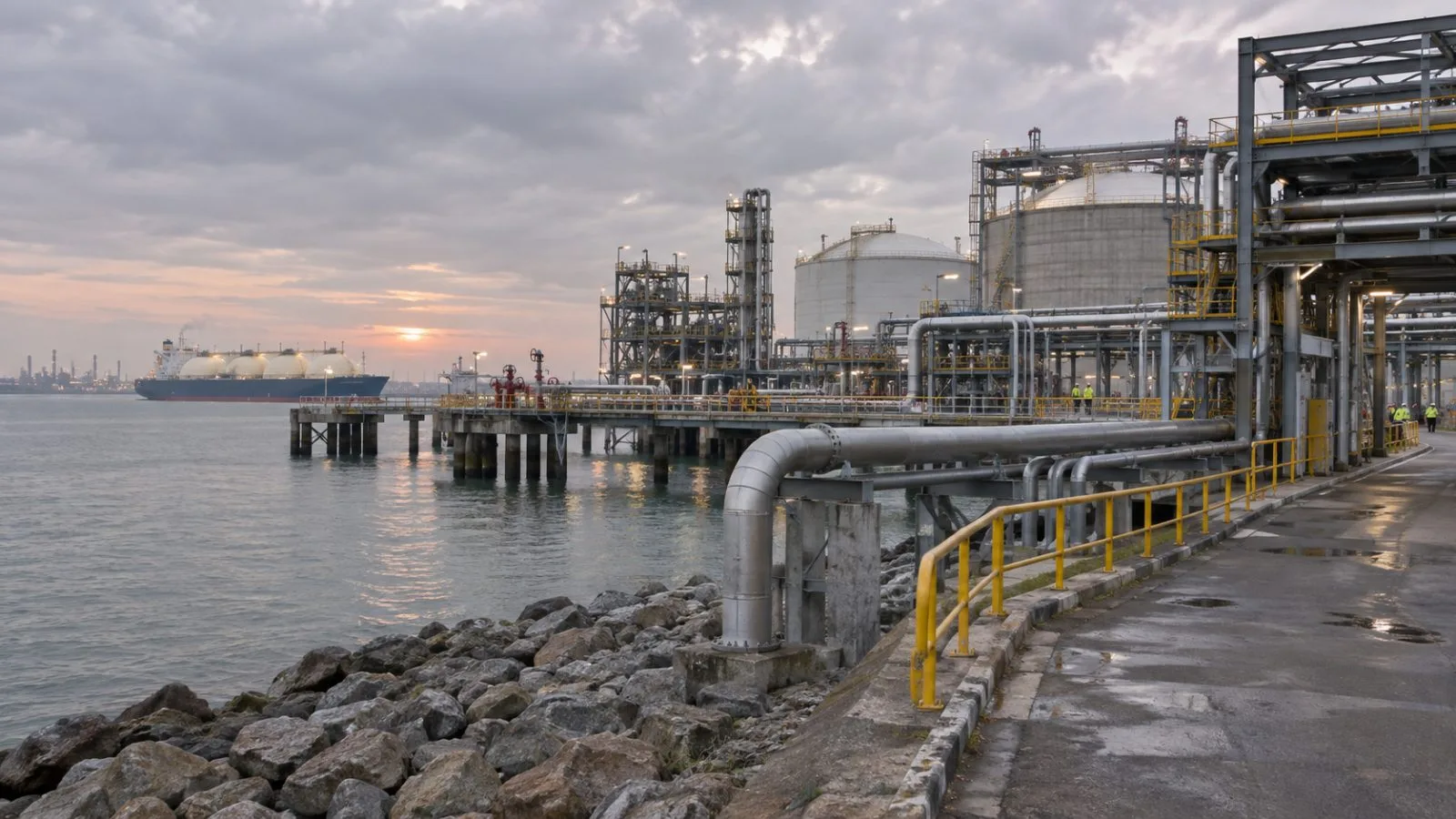
Argentina’s state-controlled YPF, Italy’s Eni and Abu Dhabi-based XRG are developing an LNG export project using Vaca Muerta gas, with billions of dollars of infrastructure spending tied to a final investment decision expected in 2026.
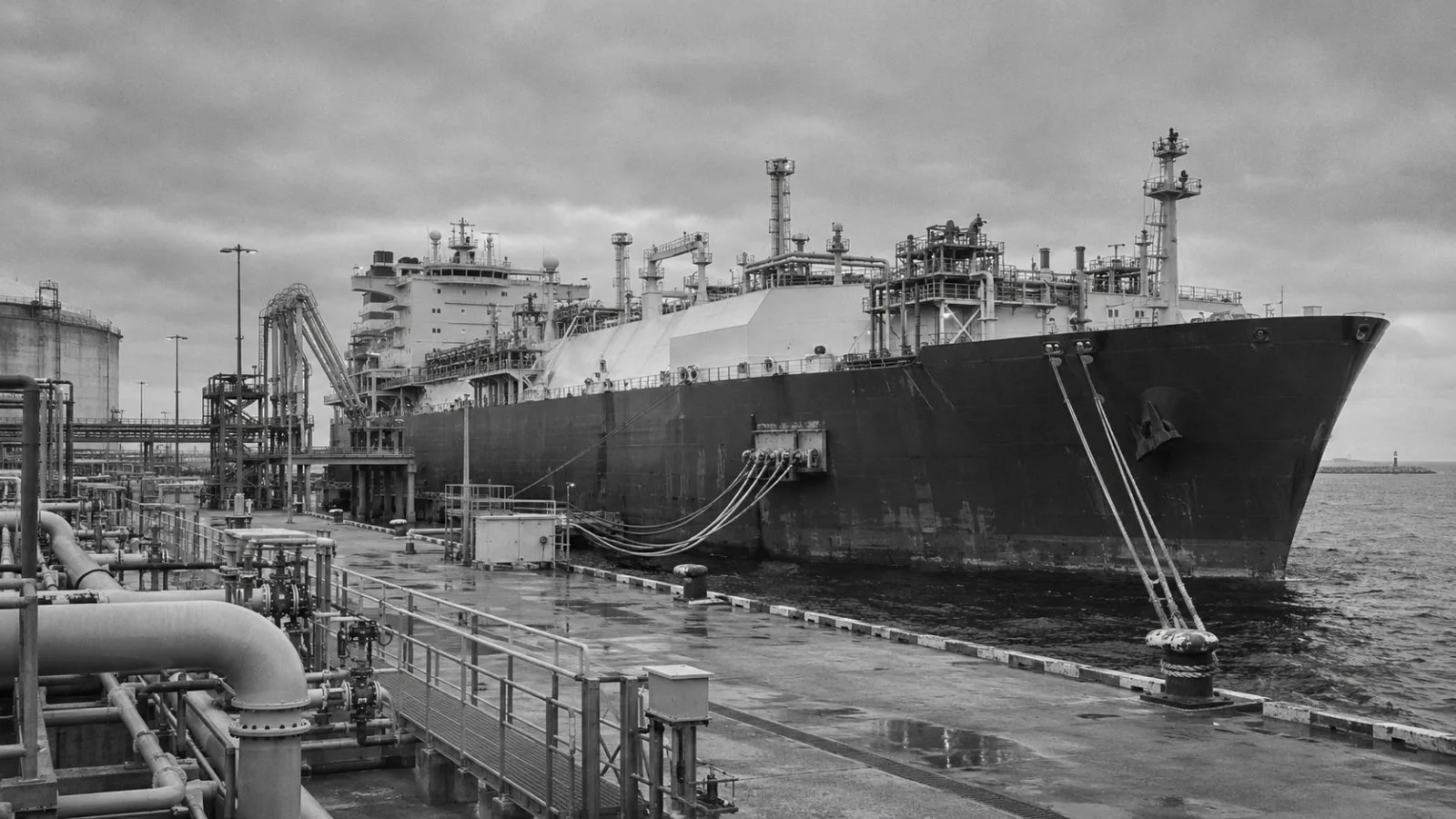
The partners signed a binding Joint Development Agreement on Feb. 12, 2026, covering two floating LNG facilities with capacity of six million tonnes per year each. Exports could begin around 2030, and the project could later expand to 18 million tonnes annually.
YPF estimates total spending at about $51 billion over the project’s life. Its third-quarter 2026 filing projects roughly $29 billion of spending by 2031, including $24 billion for integrated LNG infrastructure and $5 billion for upstream development.
The company expects project-finance debt to fund 60% to 70% of infrastructure investment. YPF also disclosed a non-binding proposal for up to $6 billion from the U.S. Export-Import Bank. The filing did not confirm a completed financing package.
YPF’s disclosures set the final investment decision target in the second half of 2026 or by year-end. Buenos Aires Times reported a possible Nov. 30 date, but the company’s filings do not specify a day.
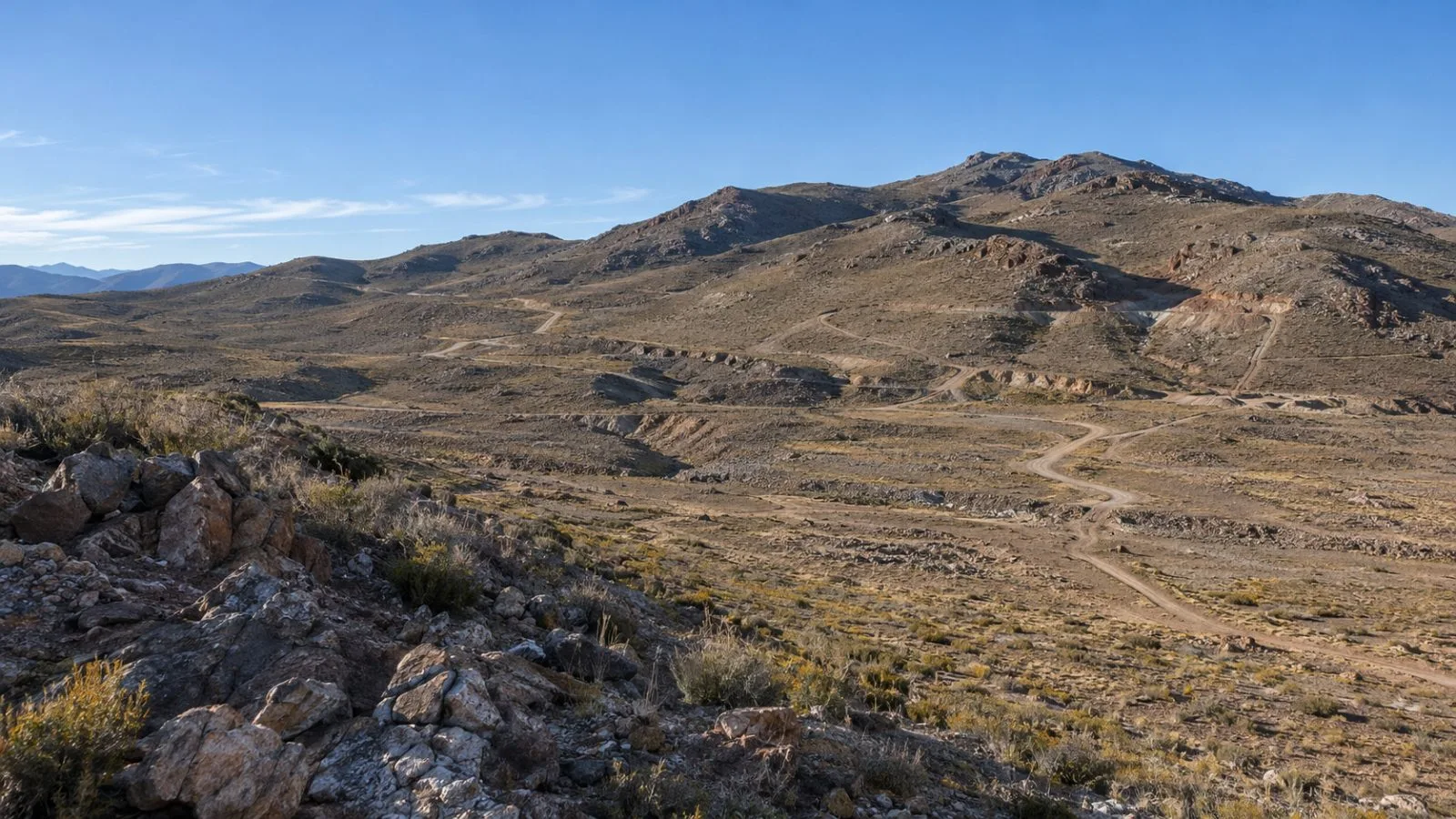
The planned upstream structure assigns 36% to YPF and 32% each to Eni and XRG through UPCO ARLNG I. Transfers of the relevant blocks require regulatory approval and other closing conditions. The fields are in Vaca Muerta and are intended to supply the LNG system.
YPF submitted the project to Argentina’s Incentive Regime for Large Investments, known as RIGI, in August. The company describes the application as the largest in the program and the biggest private-investment project in Argentina’s history. Argentina’s Economy Ministry said RIGI covered 41 projects as of June 11, including 16 approvals and 25 applications under review, representing more than $140 billion in potential investment and nearly 197,000 direct and indirect jobs.
The Neuquén provincial framework cited by YPF includes a lower natural-gas royalty, a turnover-tax exemption, arbitration provisions and tax stability. Those terms remain conditional on the LNG project reaching FID.
The plan would connect Vaca Muerta production with pipelines, processing and liquefaction facilities for export. Its investment case also depends on whether future governments preserve the rules supporting energy exports, given Argentina’s history of policy reversals and export restrictions.
“We will now continue working very intensively to reach FID during the second half of 2026,” YPF President and CEO Horacio Marín said when the agreement was signed.
The next checkpoints include FID, lender commitments, approval of the upstream transfers and completed LNG offtake contracts.