Asian currencies traded within a narrow range Monday as geopolitical uncertainty surrounding the U.S.-Israel conflict with Iran continued to weigh on regional sentiment. Most currencies in the region remained under pressure from recent losses, with traders cautious about potential escalation in the Middle East.
The Japanese yen stood out among its peers, recovering from its weakest levels since July 2024. The currency found support after Bank of Japan Governor Kazuo Ueda delivered a hawkish tone before parliament, signaling the central bank may raise interest rates in coming months to combat import-driven inflation, particularly as rising energy prices add to cost pressures. Adding to the yen's recovery, Japan's top currency diplomat Atsushi Mimura issued the strongest verbal intervention warning to date, cautioning that authorities were prepared to take "decisive steps" against excessive yen speculation. The USD/JPY pair slipped 0.4%, pulling back below the 160 level.
The U.S. dollar index held steady after bouncing above 100 points last week, as surging oil prices tied to the Iran conflict prompted markets to scale back Federal Reserve rate cut expectations. Remarks from President Donald Trump suggesting ceasefire talks with Iran were progressing did little to move the dollar.
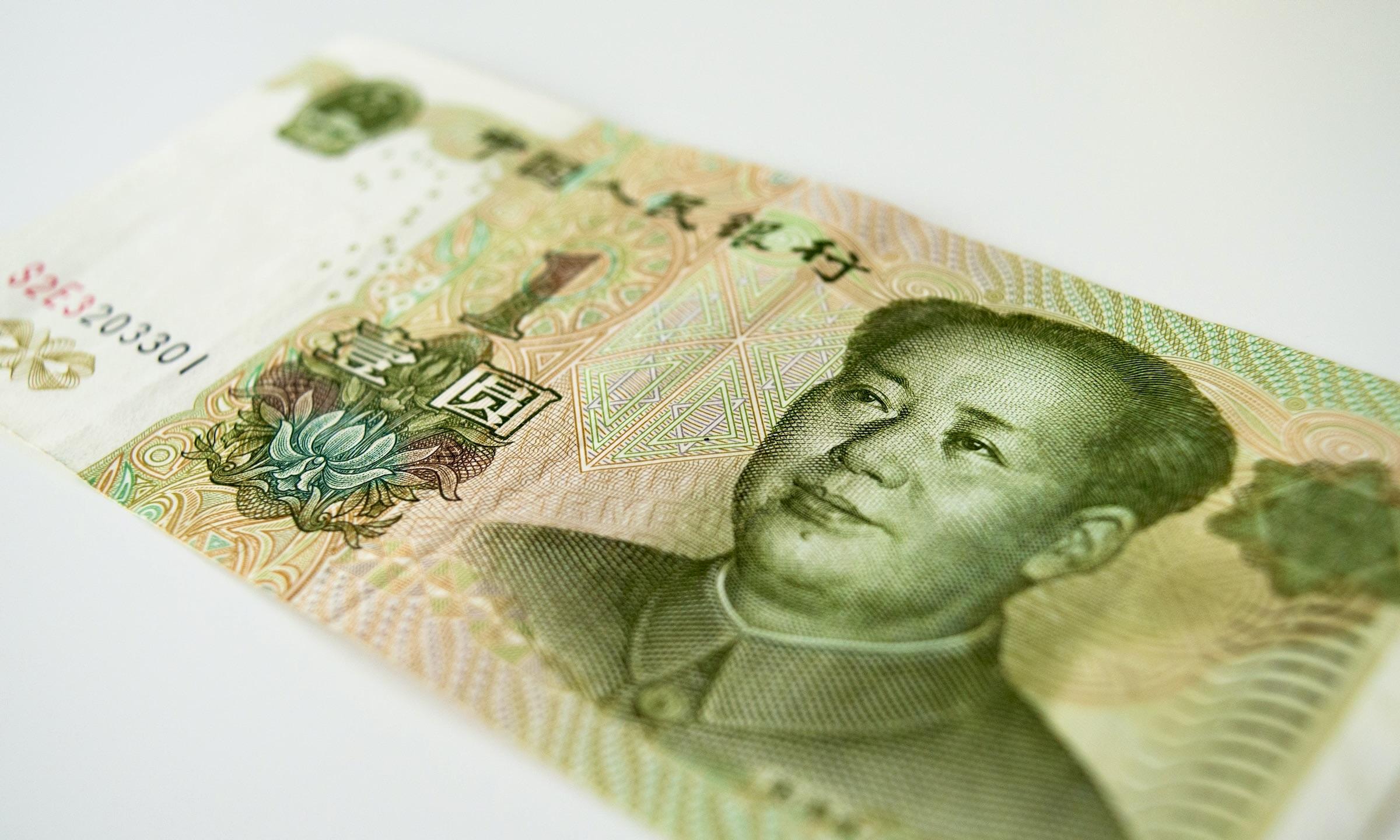
Across the region, risk appetite remained fragile. The Chinese yuan was largely flat, while the South Korean won declined 0.5% against the dollar. Markets remain concerned about the prolonged closure of the Strait of Hormuz and potential new fronts in the conflict, including Houthi attacks on Israel that could disrupt Red Sea shipping lanes — a critical route for energy-dependent Asian economies.
India felt particular strain, with the rupee hitting a record low of 95 per dollar last week. However, the Reserve Bank of India's tightened restrictions on foreign exchange speculation triggered domestic dollar selling, helping the rupee recover Monday. The Singapore dollar was flat, while the Australian dollar edged slightly lower.