Asian currencies showed little movement on Thursday following strong gains in the prior session, as investor caution mounted over the stability of a U.S.-Iran ceasefire deal amid escalating Middle East tensions. The U.S. Dollar Index slipped 0.1% after touching a four-week low on Wednesday, with futures also declining slightly in early Asian trading.
Market optimism faded quickly after Israeli airstrikes on Lebanon intensified despite President Donald Trump's announcement of a two-week U.S.-Iran ceasefire. The conflict raised questions about whether Lebanon fell within the agreement's scope. Iran responded by declaring that peace negotiations would be unreasonable under the current circumstances, and reports confirmed that Tehran had once again closed the Strait of Hormuz, a critical global oil shipping lane.
Analysts at MUFG warned that a lasting agreement remains unlikely given the significant gaps between involved parties, pointing to continued risk of volatility across financial markets. The initial ceasefire announcement had briefly lifted risk appetite and pressured the dollar, supporting higher-yielding Asian currencies — but that momentum quickly stalled.
Among regional currencies, the South Korean won edged slightly lower against the dollar after rallying over 1% the previous day. The Japanese yen also gave back a small portion of its recent gains. India's rupee weakened modestly after the Reserve Bank of India held its benchmark interest rate steady, reaffirming its commitment to managing excessive currency fluctuations through temporary measures.
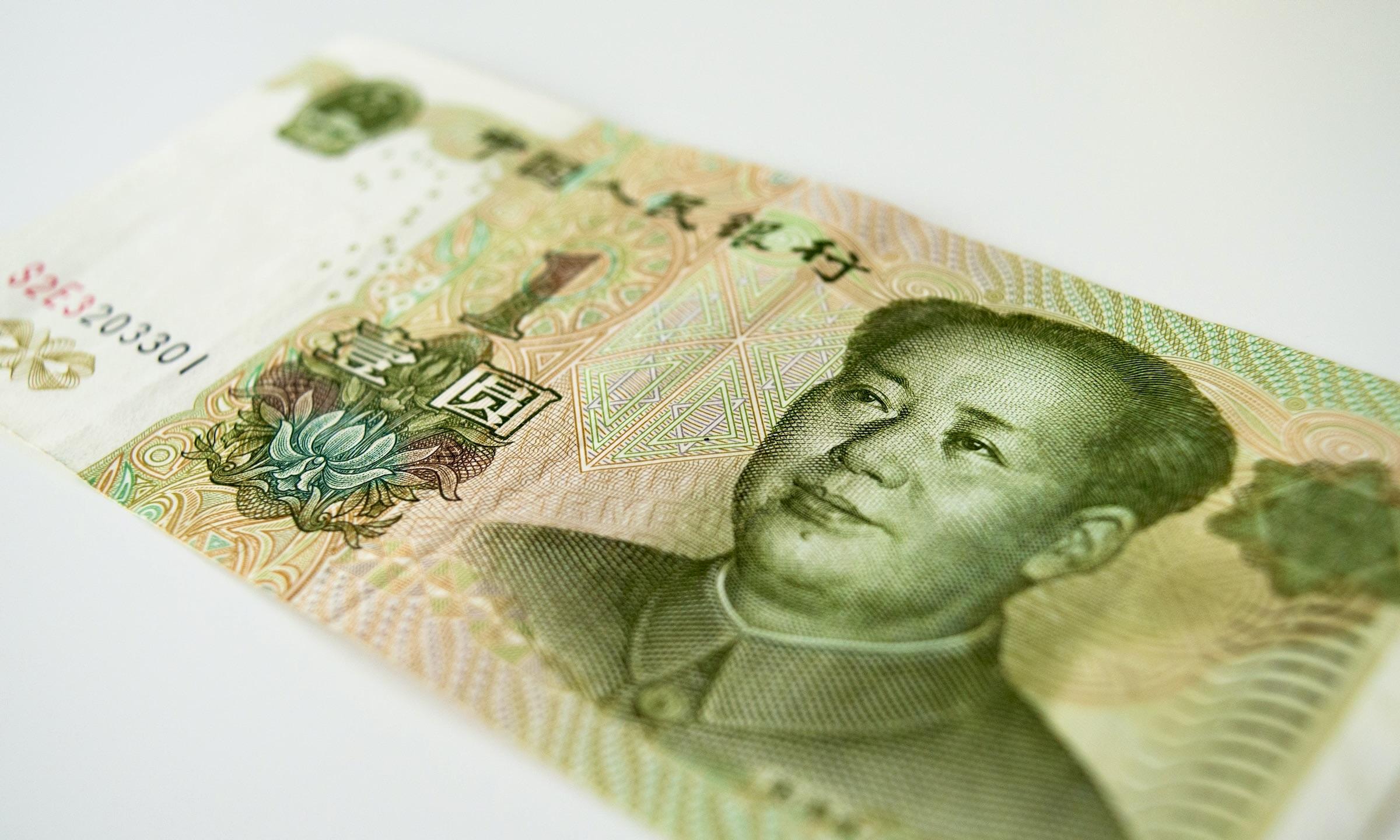
The Chinese yuan stabilized marginally after hitting a three-year low in the prior session, while the Australian and Singapore dollars traded nearly flat. Oil prices rebounded more than 2% on renewed supply disruption fears tied to the Strait of Hormuz, adding pressure to oil-dependent Asian economies. Traders are now focused on Friday's U.S. consumer inflation report for fresh signals on Federal Reserve interest rate policy.